Winter padel kit needs to keep you warm during pauses without making you overheat during quick points. The best padel winter clothing setup is a light base layer, a breathable short-sleeve or long-sleeve top, optional gilet or thin training jacket for warm-up, grippy shoes, proper sports socks and small accessories you can remove once the match gets going. Avoid bulky coats, cotton hoodies and thick gloves; they feel cosy at the car park, then ruin your movement and racket feel.
In This Article
- Padel Winter Clothing: Quick Verdict
- Base Layers, Tops and Mid-Layers
- Legwear: Shorts, Tights, Joggers or Skirt Layers
- Shoes, Socks and Grip on Damp Courts
- Accessories That Help Without Getting in the Way
- Warm-Up and Between-Game Layering
- What I Would Buy at Three Budgets
- Frequently Asked Questions
Padel Winter Clothing: Quick Verdict
For most UK winter club sessions, wear a synthetic base layer, a breathable padel or tennis top, shorts over tights or slim joggers, cushioned socks, padel shoes with good grip, and a zip layer you can remove after warm-up. That covers 5-10°C evenings without turning you into a boil-in-the-bag player by game three.
Padel is awkward in winter because it is stop-start. You sprint, split-step, wait while your partner gets lobbed, then suddenly chase a ball off the glass. Singles tennis and running keep you moving more consistently. Padel doubles can leave you cold between rallies, especially on outdoor courts with damp artificial turf and wind around the cage.
The LTA’s winter tennis advice makes the same core point: wear layers you can manage, and make sure footwear has grip in wet or slippery conditions. That transfers neatly to padel, even though the court shape and movement patterns are different.
My default outfit would be:
- Upper body: £4.99-£17.99 synthetic thermal base layer from Decathlon, plus a £13.99-£19.99 Kuikma or tennis training top.
- Lower body: £12.99-£19.99 thermal tights under shorts, or £20-£35 slim training joggers if you hate tights.
- Feet: proper padel shoes, ideally the ones you already trust; budget court shoes start around £49.99 at Decathlon, while Asics, Adidas, Babolat and Head models often sit around £70-£130.
- Warm-up layer: a £20-£45 zip training jacket or light gilet, removed once you are warm.
- Small extras: £5-£15 neck warmer, thin headband or beanie, and reusable hand warmers if your fingers go numb.
If you already own decent gym layers, do not buy a full new wardrobe. Spend first on shoes and socks, then fill gaps with one base layer and one removable outer layer. That is the sensible version of padel winter clothing.
Temperature matters less than feel. A still 7°C indoor club session can feel warmer than a windy 10°C outdoor court near a car park. If you are playing somewhere exposed, pack one extra layer and decide courtside. The mistake is wearing every warm item from the first point, sweating through it, then standing cold between sets.
Base Layers, Tops and Mid-Layers
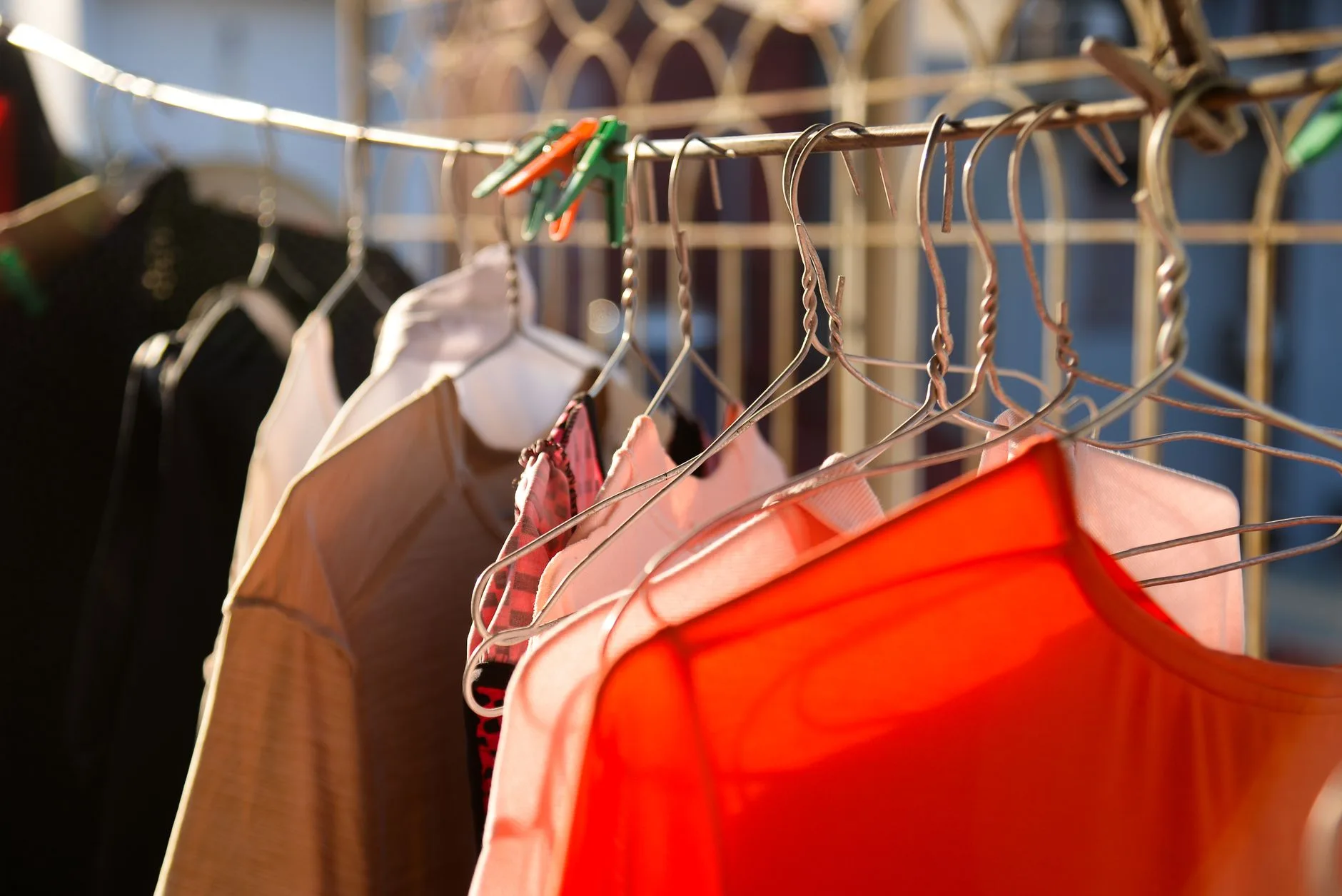
The base layer does the unglamorous work. It should sit close to the skin, move sweat away and add a little warmth without holding damp cotton against you. A cheap football or running base layer is fine. You do not need a padel-specific thermal top.
Good options in the UK:
- Budget synthetic base layer: Decathlon’s Kipsta-style long-sleeve thermal football tops can start around £4.99-£17.99 depending on model and colour.
- Mid-range training top: Kuikma padel tops are often about £13.99-£19.99, and Adidas/Nike tennis tops commonly sit around £25-£45 at Sports Direct, Tennis-Point or Pro:Direct Tennis.
- Merino option: a thin merino base layer from Mountain Warehouse, Decathlon or Uniqlo-type ranges is usually £25-£55. Warmer and less smelly, but slower to dry than synthetic.
- Zip mid-layer: a slim running or tennis half-zip at £20-£45 works better than a loose hoodie because it does not flap around on overheads.
My preference is synthetic for actual play and merino only for low-intensity coaching or social sessions. Padel makes you sweat in short bursts. A merino top feels lovely at first, but once it gets damp on a cold evening, I find it less pleasant than a cheap technical base layer.
Avoid cotton hoodies under a jacket. They are warm while dry, then heavy and cold once damp. If you need an outer layer, use a light zip jacket or gilet that leaves your shoulders free. A padded gilet can work for warm-up, but remove it for matches unless it is very thin.
Fit matters more than warmth rating. A base layer that rides up when you serve or catches under the armpit will annoy you more than a slightly cooler top. Before buying, raise both arms overhead, rotate as if playing a bandeja, then crouch into a low volley position. If it pulls across the shoulders in the shop, it will be worse on court.
If you want a broader kit comparison, the existing best padel clothing guide covers breathable match wear. This winter guide is about layering, not ranking every shirt.
Legwear: Shorts, Tights, Joggers or Skirt Layers
Lower-body kit is more personal than tops. Some players hate the feel of tights. Others feel stiff and exposed in shorts on a 4°C outdoor court. The aim is warmth without restricting lunges, split steps or low volleys.
The safest setup is shorts over thermal tights. It looks normal on court, keeps the hips and hamstrings warm, and still gives you a ball pocket. Decathlon thermal tights range from about £12.99-£19.99 for basic football/running options, while branded running tights can be £35-£80.
For women, a skirt or skort over thermal leggings works well if the waistband and ball pocket still feel natural. Basic thermal leggings can be £10-£20; better running tights with pockets are usually £30-£70. The key is stretch. If the fabric pulls at the knee when you lunge, it will annoy you every point.
Slim joggers are fine for warm-up and social games. They are less ideal for competitive matches because the ankle cuff can catch and the fabric can feel heavy once damp. If you use joggers, choose tapered training trousers around £20-£40 rather than thick fleece lounge joggers.
I would skip waterproof trousers. They rustle, trap sweat and feel awful when changing direction. If the court is wet enough that you think you need waterproof trousers, the bigger question is whether the surface is safe to play on.
Legwear also affects recovery between games. Cold quads and hamstrings feel sluggish after a long sit in the car, so put tights or joggers on before leaving home rather than changing at the court in a freezing corridor. After the match, swap damp tights for dry joggers if you are driving more than 20 minutes. It sounds fussy until you have sat in wet kit on the M4 after a late booking.
Shoes, Socks and Grip on Damp Courts
Shoes matter more in winter than another thermal top. Damp artificial turf, sand infill and cold legs are a poor combination. If your shoes are worn smooth, winter is when you notice.
Use actual padel shoes or tennis shoes with a suitable herringbone or mixed sole. The existing guide to best padel shoes in the UK covers model choices, while padel shoes vs tennis shoes explains when tennis shoes can work.
For winter, I would prioritise:
- Fresh tread: worn soles slide more on damp turf.
- Lateral support: cold muscles and sudden side steps are a bad mix.
- Comfortable toe room: thicker socks need space, but loose shoes cause blisters.
- Removable insoles: useful for drying shoes properly after a wet evening session.
Padel shoes usually cost about £50-£130 in the UK. Decathlon’s Kuikma shoes can start around £49.99. Asics, Adidas, Head and Babolat options are more often £75-£130, depending on sales.
Socks are cheap compared with shoes, but they make a difference. Choose cushioned sports socks at about £6-£15 per pair, or two-pair packs around £10-£20. Thin cotton trainer socks are the wrong choice for cold, damp courts. If you get hot spots, read the padel socks guide and sort that before adding thicker layers.
Do not double-sock unless your shoes still fit properly. Two thin pairs can reduce rubbing for some players, but they can also make the shoe tight across the forefoot and numb your toes. A single cushioned technical sock is usually cleaner. If your feet get cold, warm them before play and dry the shoes after play; do not just cram thicker socks into a shoe that was already snug.
Accessories That Help Without Getting in the Way
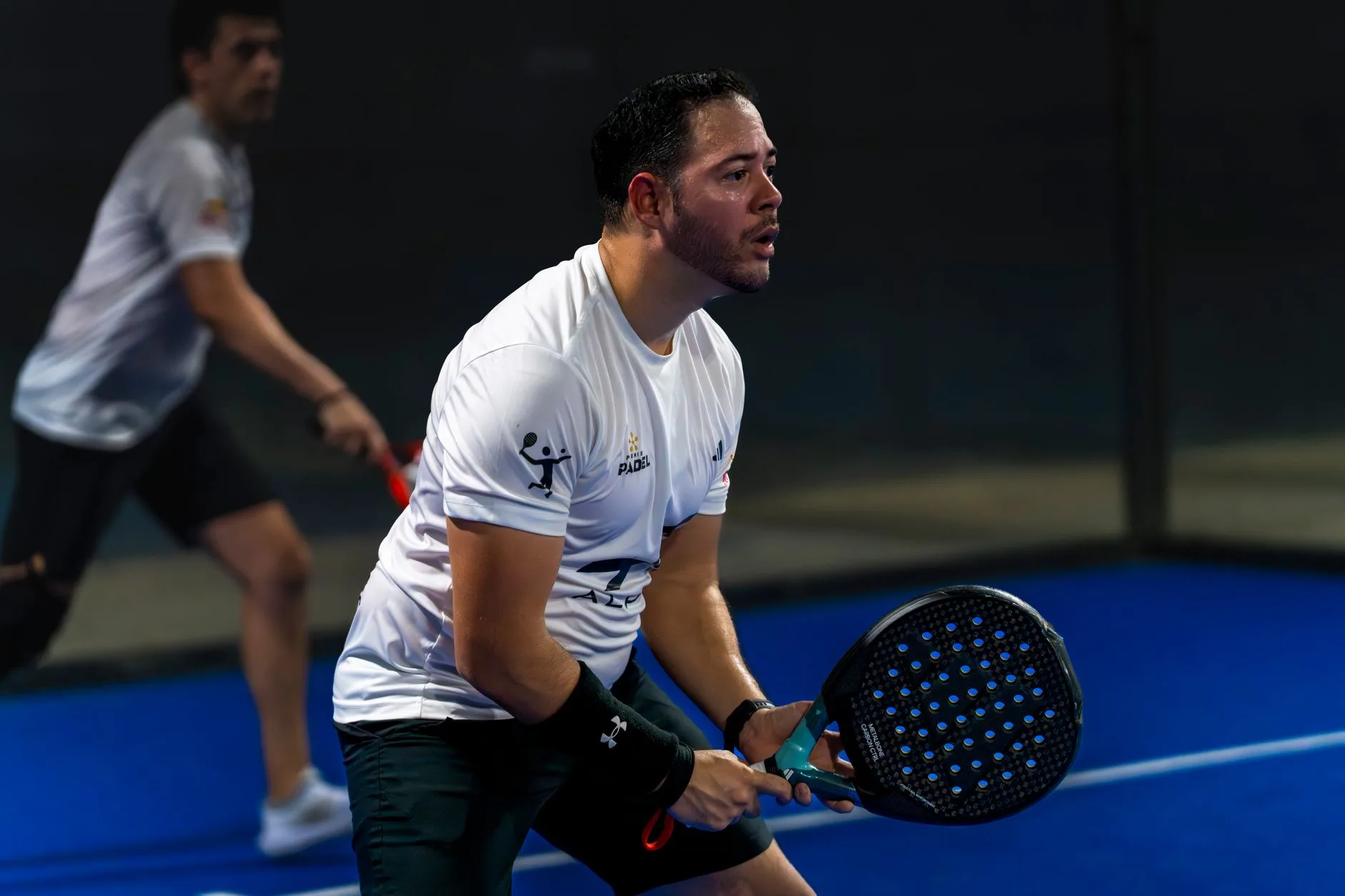
Winter accessories are useful until they interfere with the racket. Hands, ears and neck get cold fast, but padel still needs touch.
Useful options:
- Thin beanie or headband: £6-£20. Good for warm-up and outdoor clubs, but remove it if it gets sweaty.
- Neck warmer or snood: £5-£15 from Decathlon, Sports Direct or Mountain Warehouse. Better than a scarf because it cannot swing into your shot.
- Reusable hand warmers: £3-£10. Keep them in your jacket pocket between games, not in your hitting hand during rallies.
- Thin liner gloves: £5-£15. Fine for warm-up, but most players remove the racket-hand glove for points.
- Wristbands: £5-£12. Still useful in winter because a damp grip feels colder and slippier.
I do not like playing points in thick gloves. You lose grip feedback and start squeezing the racket too hard. If your hands are painfully cold, use hand warmers before the game starts, then play bare-handed or with one thin non-racket-hand glove.
For grip comfort, the padel overgrip guide is more useful than buying a fancy glove. A fresh £5-£8 overgrip can make cold-weather racket feel much better.
Keep accessories boring. A black neck warmer, a spare overgrip and hand warmers beat ski gloves and a scarf. Anything loose around the neck or wrist becomes noticeable when you turn for a back-wall ball. If you would not wear it for a smash drill, do not rely on it for a match.
Warm-Up and Between-Game Layering
Winter padel starts before the first point. The NHS warm-up guidance suggests at least six minutes before exercise, longer if needed. On a cold outdoor court, I would rather do ten minutes properly than spend the first set moving like a chair.
A good winter padel warm-up looks like this:
- Arrive layered: jacket or gilet on, base layer underneath, hands warm.
- Move before hitting: light jogging, side shuffles, lunges, ankle bounces and shoulder circles.
- Start mini-rallies slowly: short volleys and controlled groundstrokes before heavy smashes.
- Remove one layer before sweating hard: do not wait until your base layer is soaked.
- Put a layer back on after play: especially if you are hanging around for drinks or watching the next game.
The existing padel warm-up routine has the movement detail. For this clothing article, the key point is timing. A jacket is useful before and after play; it is rarely useful during a proper match.
Between games, keep a light layer courtside. In doubles, you can cool down quickly if the points are short or you are being avoided tactically. No one needs a full coat at the changeover, but a thin zip top over the shoulders between sets is sensible.
After the match, change the wet layer first. A dry hoodie in your bag costs nothing if you already own one, and it does more for comfort than buying another technical top. I also keep a spare pair of socks in winter because damp socks make clean shoes smell worse and make the drive home miserable.
What I Would Buy at Three Budgets
If you are starting from normal summer padel kit, do not buy everything at once. Build around your coldest problem: hands, legs, feet or torso.
Budget: about £30-£45
Buy one synthetic base layer, one neck warmer and better socks. That could be a £4.99-£17.99 Decathlon thermal top, £5-£10 snood and £8-£15 cushioned sports socks. This is the best cheap upgrade if you already have decent shoes.
Mid-range: about £75-£110
Add thermal tights or slim joggers and a proper zip mid-layer. Expect £15-£35 for legwear and £25-£50 for a tennis/running training jacket. This is the sweet spot for most club players because it covers warm-up, play and the drive home.
Full winter refresh: about £150-£230
Replace worn shoes, add base layers, buy winter socks and get a light jacket. Shoes take most of the budget at £70-£130. Add £20-£40 for base layers, £10-£20 for socks and £30-£50 for a jacket. This only makes sense if your current shoes are tired or you are playing outdoors every week.
My own priority order would be: shoes first, socks second, base layer third, removable jacket fourth, accessories last. Clothing helps, but grip and movement keep you safe. If you are unsure whether your shoes are still up to it, check the padel shoe sole types guide before buying more tops.
Frequently Asked Questions
What should I wear for padel in winter? Wear a synthetic base layer, breathable top, shorts over tights or slim joggers, cushioned socks, grippy padel shoes and a removable warm-up layer. Keep bulky coats off court during points.
Can I play padel in a hoodie? You can warm up in a hoodie, but it is usually poor match kit. Cotton gets damp, the hood can move during overheads, and the loose fit can restrict fast swings.
Are gloves good for winter padel? Thin liner gloves are useful for warm-up, but most players remove the racket-hand glove for points. Thick gloves reduce grip feel and can make you squeeze the racket too hard.
Should I wear tights for cold-weather padel? Tights are useful if your legs get cold between rallies. Shorts over thermal tights gives warmth, movement and ball-pocket practicality without needing heavy joggers.
Do I need different shoes for winter padel? Not necessarily, but you do need tread with good grip. Damp courts expose worn soles quickly, so replace tired shoes before buying extra clothing.
Is indoor padel kit different in winter? Indoor padel usually needs fewer layers, but cold halls can still feel chilly before warm-up. Use a base layer and removable top rather than a heavy jacket.