Padel kit gets sweaty fast because the sport is stop-start, indoor courts run warm, and most shirts, shorts and skorts are synthetic. This wash care padel clothing guide is simple: rinse or air the kit quickly, wash at 30°C, avoid fabric conditioner, air dry it, and do not leave damp clothes zipped in your bag overnight.
In This Article
- The Quick Wash Routine for Padel Kit
- Wash Care Padel Clothing Guide: Fabrics, Temperature and Detergent
- Drying, Odour and Stain Fixes That Actually Help
- What to Wash Separately: Socks, Skorts, Caps and Layers
- What Padel Clothing Costs to Replace
- Storage Between Matches
- Mistakes That Ruin Padel Clothing
- Frequently Asked Questions
The Quick Wash Routine for Padel Kit
If you only remember one thing, treat padel clothing like running kit rather than normal cotton laundry. It needs air, a cool wash and gentle drying. Heat is the enemy of stretch, print, elastic and sweat-wicking finishes.
The routine I would use after every match
Take the kit out of your bag as soon as you get home. If it is soaked, hang it over a chair or washing basket edge until you are ready to wash it. Do not leave it rolled up with a damp towel and used socks. That is where the permanent sports-kit smell starts.
Then wash it like this:
- Turn shirts, shorts, skirts and leggings inside out: this protects prints and helps detergent reach the sweaty side.
- Use a 30°C synthetic or sports cycle: cold is fine for lightly worn kit, but 30°C is a good normal setting for sweat and odour.
- Use a small dose of liquid detergent: too much detergent can cling to technical fabric and make odour worse.
- Skip fabric conditioner: it can coat fibres and reduce wicking.
- Air dry away from direct heat: use a drying rack, hanger or clothes airer rather than a hot radiator.
That routine covers most padel shirts, shorts, skorts, sports bras, base layers and lightweight hoodies. Always check the care label, but if the label is vague, 30°C and air drying is the safest default.
What to do when you cannot wash it straight away
Late match, long drive home, kids’ bedtime, dinner in the oven; it happens. The key is to stop the kit festering. Open the bag. Pull the damp items apart. Hang the towel separately. If you can, give the worst items a quick cold rinse and squeeze them in a towel before leaving them to air.
I keep a cheap mesh laundry bag in my padel bag for used kit. It costs about £4-£8 from Amazon UK or Lakeland and it stops sweaty clothes getting wrapped round grips, balls and clean layers. It also means you can empty the whole thing into the washing machine without hunting for socks.
Wash Care Padel Clothing Guide: Fabrics, Temperature and Detergent
Most padel clothing is polyester, elastane, polyamide or a blend. Those fabrics are chosen because they stretch, dry quickly and hold shape better than cotton. The trade-off is that they do not love heat, heavy detergent or softener.
Polyester and polyamide shirts
Padel shirts are usually polyester or polyamide because they move sweat away from the skin. Decathlon’s Kuikma padel T-shirts are currently around £24.99, while adidas padel/tennis performance tops can be around £45-£50. That is not throwaway money. Washing them badly for six months can leave them smelly, bobbled and shapeless.
Wash inside out at 30°C. Use liquid detergent rather than powder if your machine sometimes leaves residue. Avoid bleach. Avoid conditioner. If a shirt still smells after washing, do not just add more detergent next time. Run a rinse cycle, clean the machine drawer, and try a sports detergent or laundry sanitiser designed for synthetics.
Elastane, compression and fitted layers
Elastane gives shorts, leggings and compression layers their stretch. It is also the part that heat damages first. If you wear compression layers for padel, our compression clothing for padel guide covers when they make sense on court; for washing, the rule is cooler and gentler.
Use 30°C, low spin if the item is delicate, and air dry flat or on a hanger. Do not wring compression leggings hard. Do not tumble dry them. A pair of decent compression shorts or leggings can cost £25-£60 from Sports Direct, Decathlon or Nike, so the dryer is an expensive shortcut.
Cotton blends and casual tops
Some players wear normal cotton T-shirts for club sessions. That is fine for a gentle knockabout, but cotton holds sweat and dries slowly. It can go in the normal wash more easily than technical kit, but it is worse during long indoor games because it feels heavy.
The LTA rules of padel require suitable sports clothing and footwear for competition, and that is a useful baseline even for club players. You do not need expensive branded kit, but you do want clothing that lets you move, dries fast and does not become uncomfortable after the first set.
Detergent: less is usually better
Sports kit often smells because detergent and body oils build up inside the fibres. A half-dose of normal liquid detergent is enough for a small padel load. If you wash kit with towels, hoodies and normal clothes, it may not rinse as well.
Sports wash products such as Halo Sports Wash or Dettol Laundry Cleanser usually cost around £4-£7 in UK supermarkets or Boots. You do not need them every time. Use them when kit still smells clean-but-not-clean after a normal wash.
Drying, Odour and Stain Fixes That Actually Help
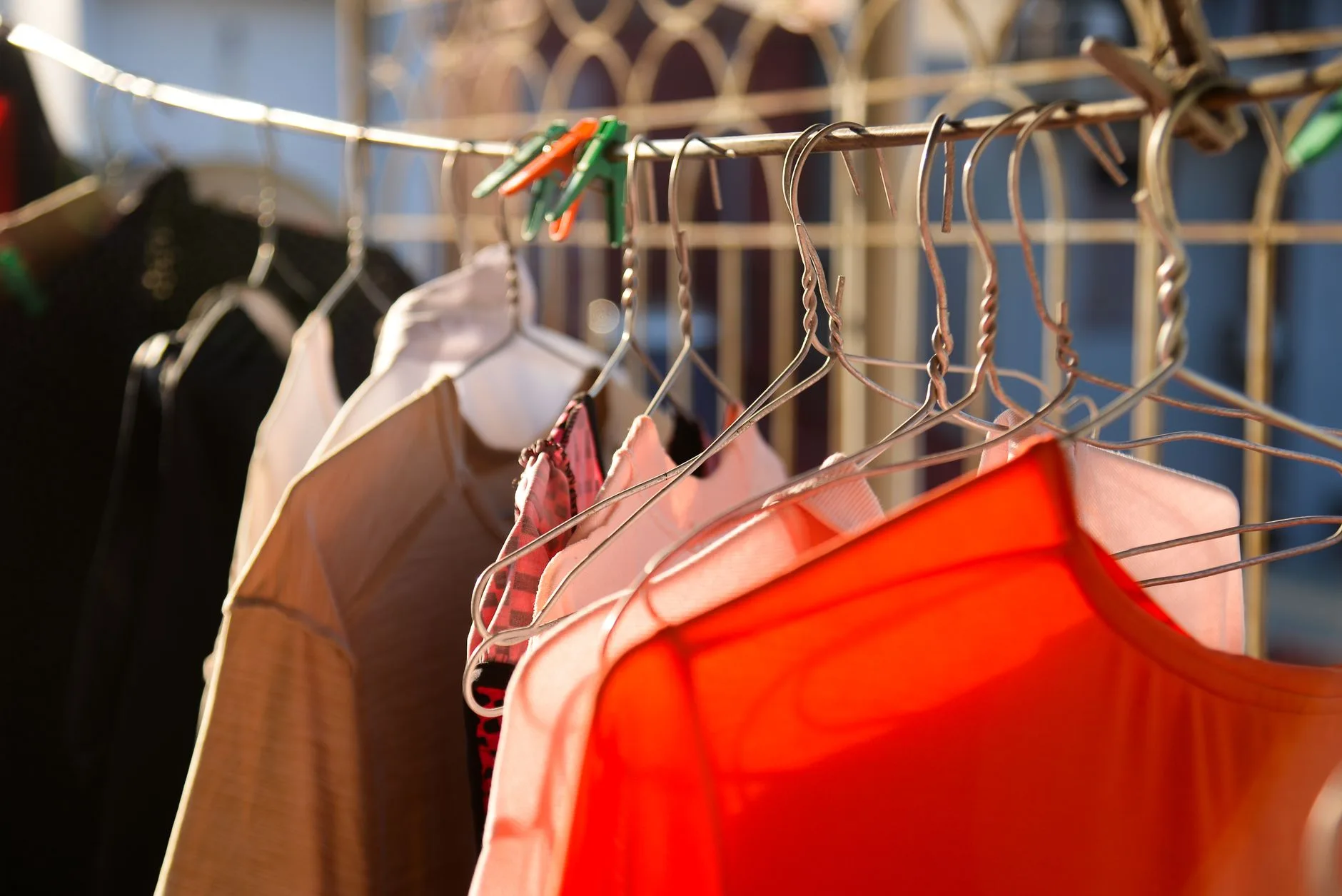
Drying is where a lot of padel clothing gets ruined. A hot tumble dryer can shrink trims, weaken elastic and damage printed logos. A radiator is not much better for tight waistbands and grippy silicone details.
Air drying without the stale smell
Air drying works best when the clothes have space. Shake each item out, smooth the waistband and hang shirts from the hem or shoulders. Do not fold a wet shirt over a thick rail so the middle stays damp for half a day.
If your house is cold or humid, use an airer near ventilation or a dehumidifier. A basic heated airer costs around £40-£90 from Argos, Lakeland or Dunelm, but keep technical kit on the cooler outer rails rather than pressing delicate elastane against the hottest bars. The aim is airflow, not cooking.
Sweat smell that survives washing
If a shirt smells fine when dry but smells sour five minutes into the next match, it probably has build-up in the fibres. Try this before binning it:
- Rinse first: run the shirt through a cold rinse before the main wash.
- Use less detergent: a heavy dose can leave residue, especially in quick cycles.
- Skip conditioner completely: it masks odour briefly but can trap it long term.
- Wash towels separately: towels shed lint and make synthetic kit rinse poorly.
White vinegar is often suggested online. It can help with odour, but use it cautiously and not on every wash. Check the garment label first and never mix vinegar with bleach products.
Clay, court dust and ball fluff
Padel clothing usually gets sweatier than it gets muddy, but outdoor courts can leave dust, scuffs and ball fluff. Brush off dry dirt before washing. Treat marks with a small amount of liquid detergent rubbed gently into the fabric, then wash as normal.
Avoid aggressive stain removers on printed logos and club shirts. If you play in team kit, prints and heat-transfer badges are often the first things to crack. Turn them inside out and keep them away from high heat.
What to Wash Separately: Socks, Skorts, Caps and Layers
Not all padel kit should be treated the same. The easiest mistake is throwing everything into one mixed load because it is all “sports stuff”. Socks, caps, padded sports bras and outer layers all have different problems.
Socks and grips
Padel socks take more punishment than shirts. They deal with sweat, shoe friction and court grit. Wash them inside out if they are cushioned, and do not overload the machine. Good padel or tennis socks can cost £8-£16 a pair, and they last longer if they rinse clean.
If your socks are wearing through quickly, the issue may be shoe fit rather than washing. Our guide to choosing padel socks covers cushioning and fit, our padel shoes vs tennis shoes guide explains why court movement is rough on footwear and socks, and the broader padel shoe buying guide helps if the shoe itself is causing friction.
Skorts, skirts and shorts
Wash skorts and shorts with zips, hooks or drawcord ends in a mesh bag. Close zips first. If the garment has built-in shorts, turn it inside out so the sweaty lining gets washed properly. Decathlon’s Kuikma breathable padel shorts are currently around £19.99, while adidas performance shorts can be around £65, so it is worth protecting waistbands and drawcords.
Avoid washing these with Velcro, rough towels or anything with open hooks. Snags are more common than outright tears, and they make good kit look tired long before the fabric fails.
Caps, visors and sweatbands
Caps and visors are better hand-washed unless the care label says machine washing is fine. Use cool water, a little detergent and a soft brush around the sweatband. Rinse well and reshape while drying. Do not put a structured cap in the dryer unless you are happy for it to come out looking like it lost an argument.
Sweatbands can usually go in a mesh bag on a normal sports cycle. Replace them when the elastic gives up or they stay stiff after washing. A pack of sweatbands is usually about £6-£15 from Decathlon, Amazon UK or Sports Direct.
Hoodies, jackets and winter layers
Winter padel layers are often mixed fabrics: fleece, softshell, water-resistant panels or brushed linings. Wash them less often than base layers unless they are sweaty. Air them after each game, spot-clean marks and follow the care label for water-resistant finishes.
If you play outdoors in winter, use layers you can remove between games rather than one heavy top that gets soaked and stays wet. The care job is keeping those layers dry, aired and elastic enough to survive regular court use.
What Padel Clothing Costs to Replace
Care advice matters because padel clothing is not all cheap. You can play in basic gym kit, but once you buy proper padel or tennis clothing, poor washing becomes a real cost.
Budget kit
Decathlon is the easiest UK budget pick. Kuikma padel shorts at about £19.99 and padel T-shirts around £24.99 are good enough for regular club play. Add two pairs of socks at £8-£12 each and you can build a basic match outfit for roughly £55-£70, not counting shoes.
For beginners, I would rather buy two modest shirts and wash them properly than one premium shirt that lives damp in a bag. Rotation matters. If you play twice a week, one shirt is not enough unless you do laundry constantly.
Mid-range and premium kit
Premium padel clothing overlaps with tennis clothing. adidas padel/tennis tops can sit around £45-£50 and shorts around £65. Nike, Babolat, Head and Bullpadel can all land in the £30-£70 range depending on sales and season.
The premium difference is usually fit, lighter fabric, better stretch, nicer waistbands and more durable seams. It is not magic. Conditioner, tumble drying and damp storage will still age it. If you have spent £100 on two tops and shorts, the cheapest upgrade is a mesh wash bag and better drying habits.
When to replace instead of rescue
Replace kit when it stays smelly after careful washing, the elastic no longer recovers, seams rub, or the fabric goes shiny and thin in high-friction areas. Do not wait until shorts are uncomfortable mid-match. Movement in padel is too lateral for kit that is half-dead.
If you are buying new clothing, our best padel clothing 2026 UK guide is the proper buyer’s guide. For care, the point is simpler: wash gently enough that you do not have to replace good kit early.
Storage Between Matches
Storage is laundry’s quiet partner. Clean kit can still smell if it sits in a closed sports bag with damp towels, old grips and used shoes. Treat the padel bag as transport, not long-term storage.
Empty the bag after every session
Take out clothing, towel, socks and shoes when you get home. Open the shoe compartment. Let the bag breathe. If your bag has a separate wet pocket, use it for the journey home, then empty it. Waterproof pockets are useful for cars and trains, but terrible for overnight storage.
Padel bags usually cost £35-£90, with premium racket bags going higher. They last longer if they are not permanently damp inside. If the bag smells, wipe the lining with a damp cloth, let it dry fully and use a small odour absorber rather than spraying fragrance into it.
Store clean kit by use
Keep match kit together: shirt, shorts or skort, socks, sweatband and towel. That stops the panic search before a booking. I like keeping one “ready to play” set separate from normal gym kit so it does not get worn for a random run and vanish into the laundry cycle.
Do not store technical clothing in direct sun for long periods. UV and heat can fade colours and weaken elastic. A drawer, breathable fabric cube or wardrobe shelf is fine.
Mistakes That Ruin Padel Clothing
Most kit damage comes from a handful of habits. None of them feel disastrous once, but they add up over a season.
The avoid list
- Leaving kit damp overnight: the fastest route to permanent odour.
- Using fabric conditioner: bad for sweat-wicking synthetic fibres.
- Tumble drying elastane: rough on waistbands, compression and fitted layers.
- Washing with Velcro or rough towels: causes snags and lint build-up.
- Using too much detergent: leaves residue that traps smell.
- Ignoring care labels: especially on waterproof, printed or compression items.
The care rule that beats fancy products
The best care rule is boring: air quickly, wash cool, rinse well, dry gently. You do not need a shelf full of specialist products. You need to stop sweat sitting in the fabric and stop heat attacking the stretch.
If your kit is already tired, try one careful reset wash before replacing it: cold rinse, 30°C sports cycle, no conditioner, small detergent dose, then air dry with space around each item. If it still smells or feels stiff, it has probably had its innings.
Frequently Asked Questions
Can you wash padel clothing at 40°C? Sometimes, if the care label allows it, but 30°C is safer for most synthetic padel kit. Use 40°C only when needed for hygiene or heavy odour and avoid it for delicate compression or printed items.
Should you use fabric conditioner on padel clothes? No. Fabric conditioner can coat technical fibres and reduce sweat-wicking performance. It can also make odour harder to remove over time.
Can padel clothes go in the tumble dryer? It is better to air dry them. Heat can damage elastane, waistbands, prints and technical finishes. If the label allows tumble drying, use the lowest heat, but air drying is still safer.
How do you stop padel shirts smelling after washing? Take them out of your bag quickly, use less detergent, skip conditioner, wash towels separately and make sure the machine rinses properly. A sports wash can help occasionally.
Should padel socks be washed separately? They do not need a separate machine load, but putting them in a mesh bag helps. Wash heavily sweaty socks away from delicate tops, and replace them when cushioning or elastic breaks down.
How often should you replace padel clothing? Replace it when it keeps odour, loses stretch, rubs during movement or becomes thin in high-friction areas. Regular players may get a season or more from good kit if they wash and dry it carefully.