You’ve just finished a two-hour padel session and your legs feel like they’ve been filled with concrete. Your knees are barking, your calves are tight, and you’re walking out of the club like you’ve aged thirty years. Then you notice the bloke on the next court stripping off compression tights under his shorts, looking annoyingly fresh. Is he onto something, or has he just fallen for expensive marketing?
Compression clothing has been a staple in running and cycling for years, but it’s increasingly turning up on padel courts across the UK. The claims range from modest (reduced muscle vibration) to bold (faster recovery, improved performance, injury prevention). The truth, as usual, sits somewhere in the middle — and whether compression gear is worth your money depends on what you’re actually expecting it to do for you.
In This Article
- What Compression Clothing Actually Does
- The Science: Evidence For and Against
- Compression Tops for Padel
- Compression Leggings and Shorts
- Compression Socks and Calf Sleeves
- Compression Arm Sleeves
- When to Wear Compression Gear: During Play or After
- Sizing and Fit: Why It Matters More Than You Think
- Best Compression Brands for Padel in the UK
- What to Look For When Buying
- Caring for Compression Clothing
- Who Benefits Most from Compression in Padel
- Frequently Asked Questions
What Compression Clothing Actually Does
Compression garments apply graduated pressure to your muscles — tightest at the extremities, loosening as they move toward the torso. This pressure is measured in millimetres of mercury (mmHg), and most sport-specific compression gear sits between 15-25 mmHg. Medical-grade compression (used for deep vein thrombosis prevention) goes higher, but you don’t need that for padel.
The Mechanical Effect
The pressure reduces muscle oscillation — the vibration and micro-movement that happens every time your foot strikes the ground. In padel, where you’re constantly changing direction, lunging sideways, and pushing off from a split step, your leg muscles absorb repeated shocks. Compression garments dampen that oscillation, which is why many players report feeling “tighter” and more controlled in their movements.
Blood Flow and Recovery
The graduated pressure also assists venous return — the flow of blood back to the heart from the extremities. During exercise, your muscles produce metabolic waste (lactate, hydrogen ions) that contributes to fatigue and post-exercise soreness. Better venous return means this waste is cleared more efficiently. Whether the effect is large enough to matter during a typical padel session is debatable, but the recovery evidence is stronger.
The Science: Evidence For and Against
The research on compression clothing is mixed, and it’s worth understanding what the studies actually show before spending £40-80 on a pair of tights.
What the Evidence Supports
- Reduced perceived muscle soreness — multiple studies show that wearing compression during and after exercise reduces how sore people feel the next day. The Chartered Society of Physiotherapy notes that compression can help manage soft tissue swelling and support recovery
- Reduced muscle swelling — compression limits the inflammatory response that causes post-exercise swelling, particularly in the calves and quadriceps
- Improved proprioception — the tight fit gives your brain better feedback about where your limbs are in space, which may improve balance and coordination during rapid direction changes
What the Evidence Doesn’t Support
- Improved maximal performance — there’s no convincing evidence that compression makes you faster, stronger, or more powerful during exercise. If you’re expecting to serve harder or move quicker, compression won’t deliver that
- Lactic acid removal during exercise — while compression helps post-exercise, the effect during intense activity is minimal because blood flow to working muscles is already maximised by the exercise itself
- Injury prevention — despite marketing claims, no good study has shown that compression prevents common padel injuries like ankle sprains, knee pain, or muscle tears
The Placebo Factor
Here’s the uncomfortable truth: much of the benefit may be psychological. If you put on compression tights and feel more supported, more prepared, and more confident — that alone can improve your performance. Sports psychology is real, and there’s nothing wrong with a placebo that makes you play better. Just don’t expect miracles.
Compression Tops for Padel
Compression tops are the least common compression garment on padel courts, partly because they’re less comfortable in a sport that requires so much arm movement. A tight top can restrict your shoulder rotation during smashes and bandeja shots if it’s the wrong cut.
When They’re Useful
- Cold weather outdoor sessions — a compression base layer under your match shirt adds warmth without bulk. Useful at outdoor clubs from October to March
- Core stability — some players find that a snug-fitting top around the core reduces lower back fatigue during long sessions. This is more about support than compression specifically
- Muscle awareness — the proprioceptive benefit applies to the torso too. Players with previous shoulder or back issues sometimes prefer the feedback a compression top provides
What to Avoid
Avoid tops with seams across the shoulder blade area — they’ll dig in during overhead shots. Look for flatlock or bonded seams. Sleeveless or short-sleeve versions are better for padel than long-sleeve because they don’t restrict wrist movement at the cuff.
Compression Leggings and Shorts
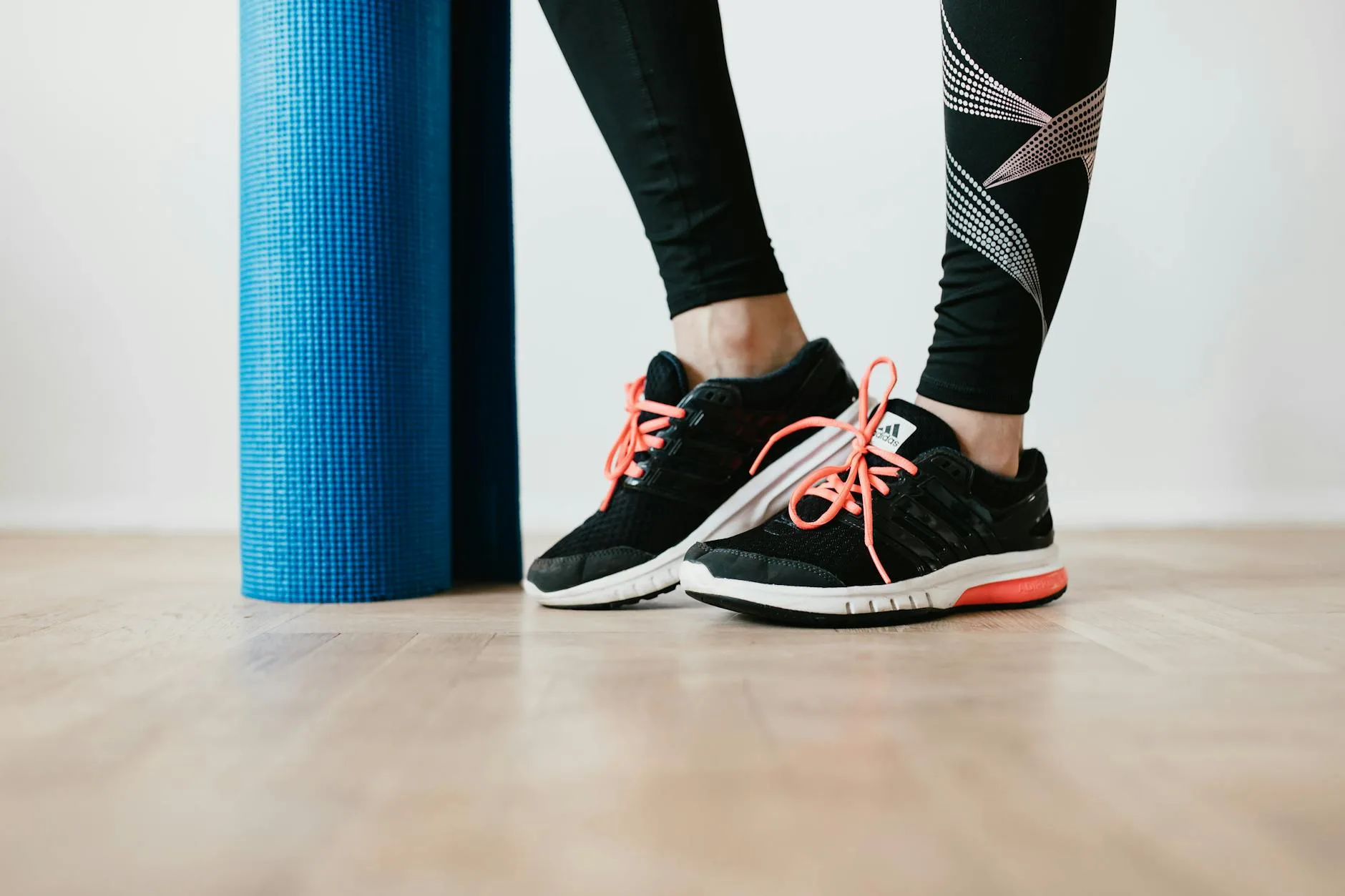
This is where compression gear earns its keep in padel. Your legs do enormous work during a match — split steps, lateral lunges, explosive changes of direction, repeated sprinting to the glass and back. Compression leggings and shorts target the quadriceps, hamstrings, glutes, and calves that take the brunt of this punishment.
Full Leggings vs Three-Quarter vs Shorts
- Full leggings — cover ankle to waist. Maximum coverage and support. Most players wear these under regular padel shorts. They can feel warm during summer sessions but provide the most thorough compression coverage
- Three-quarter tights — end mid-calf. A good compromise between coverage and temperature management. They miss the ankle and lower calf, which is a trade-off if your calves are your trouble spot
- Compression shorts — cover waist to mid-thigh. The most comfortable option for padel because they don’t restrict knee bend or feel hot. They target the quadriceps and hamstrings but leave the calves unsupported
For padel specifically, I’d recommend full leggings for recovery and either three-quarter tights or compression shorts for during play. The constant lateral movement means your adductors (inner thigh muscles) work hard, and full shorts coverage supports that area better than leggings that focus on front-and-back compression. For a related angle, see our Best Padel Clothing 2026 UK: Breathable Match Wear guide.
The Groin and Adductor Issue
Padel is murder on your adductors. The wide lateral lunges and split-step positioning stretch and load these muscles repeatedly. Compression shorts that extend to mid-thigh provide support to this area, which is why they’re increasingly popular among regular players who’ve experienced groin tightness or pulls. If you’ve ever felt a twinge in your inner thigh during a wide reach for a ball off the glass, compression shorts are worth trying.
Compression Socks and Calf Sleeves
Compression socks and calf sleeves are the most popular entry point for padel players trying compression for the first time. They’re relatively cheap (£10-25), easy to wear under normal socks, and target the calves — one of the most commonly fatigued muscle groups in padel.
Socks vs Sleeves
- Compression socks — full foot coverage, replace your regular padel socks. The foot compression helps with arch support and reduces the “heavy feet” feeling during long sessions. Downside: they can feel hot and some players find the foot compression uncomfortable
- Calf sleeves — tube-shaped, cover shin to just below the knee. Wear them under your own socks, so you keep the sock fit you prefer. No foot compression, which means you miss the arch support benefit but gain comfort
Graduated vs Uniform
The better compression socks use graduated compression — tightest at the ankle (about 20-25 mmHg), loosening toward the knee (about 15 mmHg). Cheaper options often use uniform compression throughout, which is less effective at promoting venous return. Check the packaging — if it doesn’t specify graduated compression, it’s probably uniform.
Compression Arm Sleeves
Arm sleeves are an unusual choice for padel but worth mentioning because they address a specific issue: padel elbow. Similar to tennis elbow, padel elbow (lateral epicondylitis) causes pain on the outside of the elbow from repetitive racket impact. Compression arm sleeves don’t cure it, but they reduce muscle vibration in the forearm that contributes to the irritation.
Worth It for Padel?
For most players, no. The arm doesn’t need the same recovery support as the legs in padel. But if you’re dealing with forearm fatigue, mild elbow pain, or recovering from a forearm strain, a compression sleeve can provide enough support to keep playing while you manage the issue. They’re about £8-15 and worth experimenting with before spending money on a proper brace.
When to Wear Compression Gear: During Play or After
This is where the science gets interesting, because compression may be more useful off the court than on it.
During Play
Wearing compression during padel provides the proprioceptive benefits (better body awareness, feeling of support) and reduced muscle oscillation. The performance benefits are marginal at best, but many players prefer how compression feels during rapid movement. The downside is heat — padel courts, particularly indoor ones, get warm, and full compression can make temperature regulation harder.
Post-Match Recovery
The strongest evidence for compression is in recovery. Wearing compression leggings for 2-4 hours after a hard session reduces delayed-onset muscle soreness (DOMS) and muscle swelling more than passive recovery alone. If you play twice a week, compression recovery wear between sessions can help you feel fresher for the second session.
The Sweet Spot
Most regular padel players who use compression settle on a pattern: compression shorts or calf sleeves during play (for comfort and support without overheating) and full compression leggings for 2-3 hours after play (for recovery). This gives you the practical benefits without cooking inside a compression suit during a summer match. Our How to Prevent Blisters When Playing Padel guide is useful alongside this.
Sizing and Fit: Why It Matters More Than You Think
Wrong-sized compression clothing is worse than no compression at all. Too loose and you get no compression benefit — you’re just wearing expensive tights. Too tight and you restrict blood flow, which is the opposite of what you want. You can also create pressure points that cause nerve irritation, particularly behind the knee and around the ankle.
How to Measure
- Leggings/shorts — measure your waist, hips, thigh circumference (at the widest point), and inseam. Compare ALL measurements to the brand’s size chart, not just one
- Calf sleeves — measure the circumference of your calf at its widest point AND the circumference just above the ankle. Both must fall within the size range
- Tops — measure chest circumference at the widest point and compare to the size chart
Common Sizing Mistakes
- Buying your regular clothing size — compression sizes don’t correspond to standard clothing sizes. A medium in Under Armour compression is not the same as a medium in their regular range
- Sizing down for more compression — this restricts blood flow. The garment is engineered to provide the right compression at the correct size. Going smaller doesn’t make it “more effective”; it makes it counterproductive
- Ignoring height — leggings that are too short bunch behind the knee, creating uncomfortable pressure points. If you’re tall, check the inseam measurement carefully
Best Compression Brands for Padel in the UK
Premium Options
- 2XU — the benchmark for sports compression. Their MCS (Muscle Containment Stamping) technology targets specific muscle groups. Leggings run £60-90 but the quality and graduated compression are excellent. Available from Amazon UK and specialist running shops
- Skins — another Australian brand with strong compression credentials. Their A400 range offers good graduated compression. About £50-70 for leggings. Available from Sports Direct and online
- CEP — German brand specialising in compression socks and sleeves. Their run socks are popular with padel players for calf support. About £25-35 per pair from Sigma Sports
Mid-Range Options
- Under Armour HeatGear — widely available, comfortable, and reasonably effective. Not as precisely graduated as 2XU or Skins but good enough for recreational players. Leggings about £30-45 from Sports Direct, JD Sports, or Amazon UK
- Nike Pro — similar positioning to Under Armour. Comfortable and durable but compression is lighter than dedicated compression brands. About £25-40
Budget Options
- Decathlon Kiprun — surprisingly decent compression at budget prices. Their calf sleeves (about £10) and running tights (about £20) offer genuine compression rather than just being tight fabric. The best value option for trying compression without committing to premium prices
- Amazon basics and unbranded — avoid. Most lack genuine graduated compression and use fabric that loses its elasticity after a few washes. You get what you pay for
What to Look For When Buying
Fabric Composition
Look for a blend of nylon/polyamide (for durability and compression) and elastane/Lycra (for stretch and recovery). A good compression garment typically has 70-80% nylon and 20-30% elastane. Avoid high cotton content — cotton absorbs sweat, stretches out, and loses compression quickly.
Flatlock Seams
Seams should be flat-stitched (flatlock) rather than overlocked. Overlocked seams create raised ridges that chafe during extended wear, particularly in the inner thigh area during lateral padel movements.
Moisture Wicking
Padel generates a lot of sweat, especially indoors. The fabric should wick moisture away from the skin and dry quickly. Look for branded moisture management technologies (Under Armour HeatGear, Nike Dri-FIT) or check that the fabric composition includes moisture-wicking polyester.
UPF Rating
If you play outdoor padel, compression leggings or sleeves with UPF 50+ protection save you from sunburn on covered areas. Most premium brands include this but cheaper options often don’t.
Caring for Compression Clothing
Compression garments lose their effectiveness if you don’t look after them. The elastane fibres that provide compression degrade with heat and harsh detergents.
Washing Guidelines
- Wash on a cold cycle (30°C maximum) — heat destroys elastane
- Use a gentle or sports detergent — avoid fabric softener, which coats the fibres and reduces compression
- Turn garments inside out before washing to protect the compression panels
- Use a mesh laundry bag to prevent stretching in the drum
- Never tumble dry — hang dry away from direct sunlight
Lifespan
Expect 6-12 months of effective compression from regular use (2-3 wears per week). After that, the garment may still fit and feel comfortable but the compression level drops below the therapeutic threshold. If you notice the garment sliding down during wear or feeling noticeably looser, it’s time to replace it.
Who Benefits Most from Compression in Padel
Older Players (40+)
Recovery slows with age. If you’re over 40 and playing padel two or three times a week, compression recovery wear can make a noticeable difference to how your legs feel between sessions. The reduced DOMS means you’re not still stiff when you walk onto court for your next match.
Players with Previous Injuries
If you’ve had calf strains, hamstring pulls, or groin issues, compression provides gentle support to the affected area. It’s not a substitute for proper rehabilitation, but it can help manage symptoms and provide confidence during return to play.
High-Frequency Players
Playing four or more times a week puts serious cumulative stress on your legs. Compression recovery between sessions helps manage that load. Professional padel players almost universally use compression as part of their recovery protocol.
Players Who Don’t Really Need It
If you’re under 30, play once or twice a week, recover quickly, and have no injury history — compression clothing will make minimal difference. Save your money for a decent overgrip, quality balls, and proper indoor shoes instead. Those will improve your actual game more than expensive tights.
Frequently Asked Questions
Can I wear compression leggings during a padel match? Yes — most players wear them under regular shorts. They don’t restrict movement if properly sized and many players prefer the supported feeling during lateral movements. Start with a practice session to check comfort before wearing them in a competitive match.
How tight should compression clothing feel? Snug and supportive but not painful. You should feel consistent pressure without any pinching, numbness, or tingling. If you can’t get the garment on without a real struggle, it’s too small. If it slides down during movement, it’s too big.
Do compression socks help with padel? Compression socks or calf sleeves are the most popular compression choice among padel players. They support the calves — one of the hardest-working muscle groups in padel — and are easy to wear under regular socks. Graduated compression socks are more effective than uniform ones.
Is there a difference between cheap and expensive compression gear? Yes, a real one. Premium brands like 2XU and Skins use genuine graduated compression with mapped pressure zones. Budget options often use uniformly tight fabric that doesn’t provide the same targeted support. Premium gear also maintains its compression level for longer before the elastane degrades.
Should I wear compression during recovery or during play? The strongest evidence supports recovery use — wearing compression for 2-4 hours after playing reduces muscle soreness and swelling. During play, the benefits are more about comfort and proprioception than measurable performance improvement. Many regular players do both: lighter compression during play, full leggings for recovery.