You’ve spent £200 on a racket, another £60 on court shoes, and you’re wearing the same cotton socks you’d throw on for a trip to Tesco. Sound familiar? Most players don’t give their socks a second thought until they’re peeling off a blister after their third set — and by then, the damage is done. The right pair of padel socks won’t transform your game overnight, but they’ll keep your feet dry, supported, and blister-free so you can actually focus on your volleys instead of limping to the net.
This padel socks guide covers everything you need to know: materials, cushioning, fit, and which brands are worth your money. I’ve played in everything from bargain multipack sport socks to specialist padel-specific pairs, and the difference is more noticeable than you’d expect.
Why Your Sock Choice Matters More Than You Think
Padel is brutal on feet. If you’ve come from tennis — and many UK players have, given the similarities and differences between the two sports — you’ll already know about the lateral movement, quick direction changes, and constant pivoting. But padel courts add a twist: the artificial grass surface with sand infill creates a slightly different friction profile, and the enclosed court means rallies tend to last longer. More time on your feet, more small adjustments, more opportunities for socks to either help or hinder.
The wrong socks cause three main problems:
- Blisters — cotton socks absorb sweat and stay wet, creating friction against your skin with every step
- Slipping inside the shoe — socks without grip or proper fit let your foot slide around, reducing the stability your court shoes are designed to provide
- Overheating and discomfort — thick, poorly ventilated socks turn your shoes into sweat boxes during summer sessions
A decent pair of sport-specific socks fixes all three. Not a magic fix — you still need proper court shoes — but the sock is the layer between your skin and the shoe. Get it wrong and the best shoes in the world can’t save you.
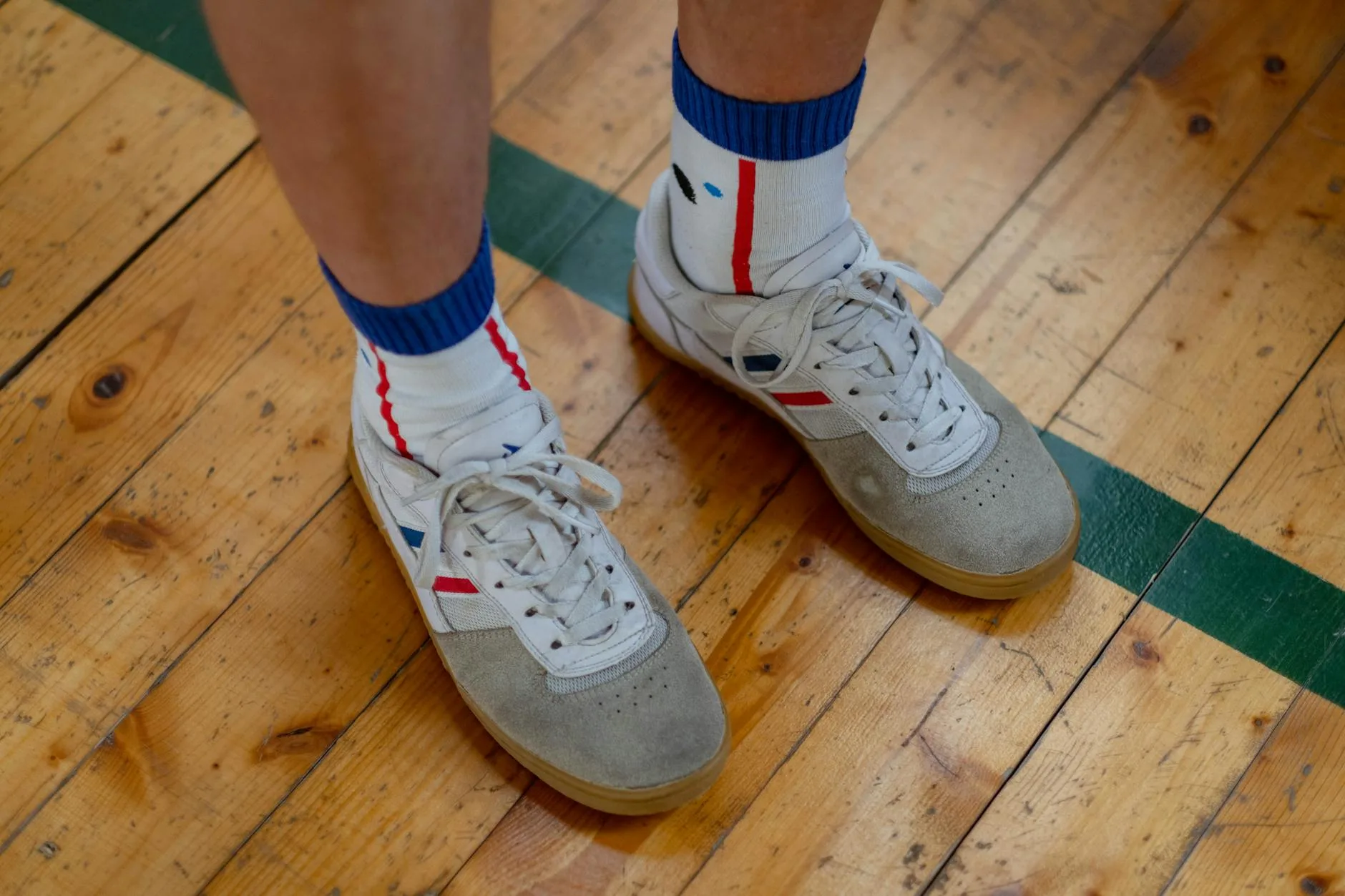
Materials: What Your Socks Should Be Made Of
This is where most players go wrong. They grab a cotton multipack from Primark and wonder why their feet are soaked by the second game.
Cotton is the enemy. Pure cotton absorbs moisture and holds it against your skin. In a sport where your feet sweat heavily for 60-90 minutes, that’s a recipe for blisters. Cotton socks also lose their shape quickly — they stretch out, bunch up, and offer no meaningful support after a few washes.
What you want instead:
- Polyester or nylon blends — synthetic fibres wick moisture away from your skin to the outer surface of the sock, where it can evaporate. Most quality sport socks use 60-75% polyester as the base
- Merino wool blends — sounds counterintuitive for sport, but merino is a natural moisture-wicker that also regulates temperature. Brands like Stance and Smartwool make excellent sport merino blends. They’re pricier (£12-18 per pair) but they handle sweat brilliantly and resist odour far better than synthetics
- Elastane/Lycra (3-8%) — this is what gives a sock its stretch and recovery. Without enough elastane, the sock sags and bunches after 20 minutes of play
- Mesh ventilation panels — look for socks with thin mesh zones across the top of the foot. These let heat escape and keep airflow moving
I’ve tried pure polyester socks that felt like wearing bin bags — clammy and slippery — and merino blends that felt bone-dry even after a sweaty doubles session in August. The blend matters more than any single fibre.
A good target: 60-70% polyester or nylon, 15-25% cotton (for softness, not absorption), 5-10% elastane. Or a merino blend with at least 40% merino wool.
Cushioning: How Much Padding Do You Actually Need?
This trips people up because the instinct is “more cushioning = more comfort.” Not necessarily.
There are three levels:
- Light/thin cushioning — minimal padding, closest feel to barefoot. Best for players who want maximum court feel and responsiveness. These work well in warmer months when you want breathability over warmth. Brands like Nike Multiplier and Adidas Cushioned offer light options around £8-12 for two pairs
- Medium cushioning — the sweet spot for most padel players. Padding in the heel and ball of the foot absorbs impact from lunges and direction changes, without making your shoes feel tight. This is what I’d recommend as a starting point. RS Padel and NOX both make medium-cushioned padel socks in the £10-15 range
- Full/heavy cushioning — thick padding throughout the sole. These are warm and extremely comfortable for short sessions, but they can make well-fitted shoes feel snug and reduce the ground feel you need for quick footwork
If your court shoes already have good insoles (most quality padel shoes do), medium cushioning gives you the best balance. Heavy cushioning on top of a well-padded shoe means you’re raising your heel slightly inside the shoe, which can change the fit and create heel slippage.
One thing I learned the hard way: thick socks in summer are miserable. Your feet just cook. I keep two types in my bag now — thin mesh socks for hot days, medium cushioned for autumn and winter sessions. It’s a small thing, but your feet notice. For a related angle, see our Best Padel Rackets for Control 2026 UK: Round Shape guide.
The Right Length: Ankle, Crew, or Long?
Sock length is partly preference and partly practical. Here’s what works for padel:
- No-show/invisible socks — these sit below the ankle bone. They look clean with low-cut shoes but offer zero ankle support and tend to slip down during intense movement. I’d avoid these for padel unless you genuinely never get ankle irritation from your shoes
- Ankle socks — sit just above the ankle bone, covering the area where the shoe collar sits. This is the minimum length I’d recommend. They prevent the shoe rubbing against bare skin without adding bulk. Babolat and Head both do solid ankle-length padel socks
- Crew/mid-calf socks — reach roughly halfway up the shin. These are the most popular choice among competitive padel players and the ones you’ll see most pros wearing. They protect against sand irritation (padel court sand does get into shoes and can rub against bare lower legs), provide light compression around the calf, and stay put during play. NOX, Bullpadel, and Adidas all offer crew-length options
- Long/knee-high socks — mainly compression socks for recovery. Not typical for playing in, though some players with circulation concerns wear them
For most recreational players, crew length is the safest bet. You get coverage, they don’t slip down, and they stop your shoe collar from chafing during long matches.
Fit and Sizing: Tighter Than You Think
Sport socks should fit snugly — closer to a second skin than a loose sleeve. A sock that’s too big will wrinkle and bunch inside your shoe, and those wrinkles are exactly where blisters form.
Key fit features to look for:
- Anatomical left/right shaping — some brands (NOX, Lurbel, and Joma among them) mould their socks differently for each foot. This sounds like marketing until you try a pair — the arch support sits in the right place and the toe seam doesn’t rub
- Arch band/support — an elasticated band around the midfoot that prevents the sock from shifting. This is the single most important feature for padel, where lateral movement constantly pulls socks out of position
- Flat toe seams — a raised seam across the toes is the number one cause of blister complaints. Quality sport socks use flat or linked toe seams that sit flush against your skin. Check this before you play in new socks
- Y-heel construction — a shaped heel cup rather than a flat tube. This follows the contour of your heel and reduces bunching at the back of the shoe
When you’re choosing between sizes, go with the smaller option if you’re between two. A slightly snug sock relaxes into shape; a loose one only gets worse.
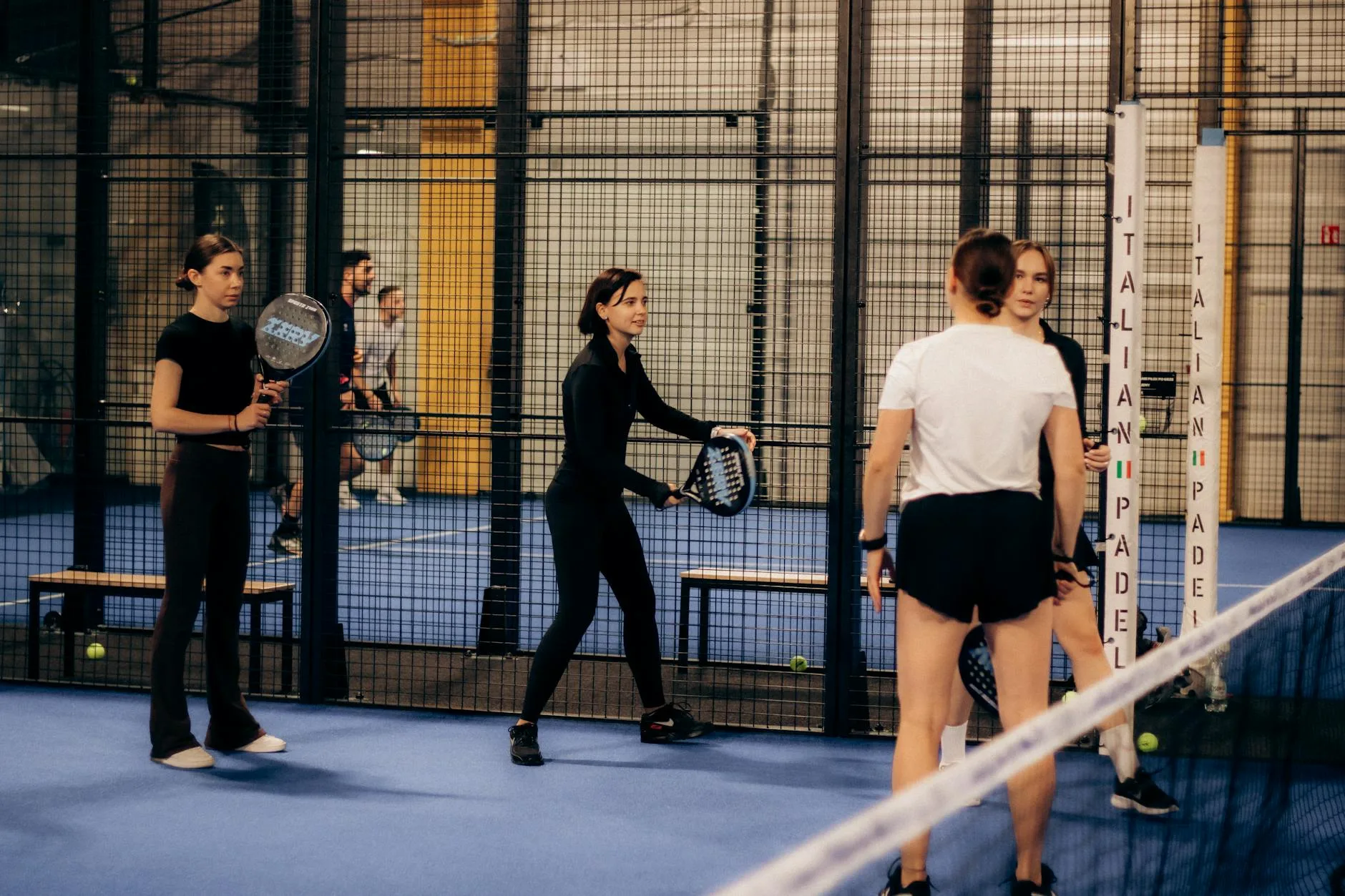
Grip and Anti-Slip Features
Some padel socks come with silicone grip dots or pads on the sole. These are designed to reduce foot movement inside the shoe — your sock grips the insole rather than sliding across it.
Do they work? In my experience, yes — noticeably so. The first time I tried grip socks (a pair of GripStar Padel socks, about £14), I felt more planted during split steps and lateral pushes. The effect is subtle, but once you’ve felt the difference, plain socks feel slightly slippery by comparison.
Grip socks are particularly useful if:
- Your court shoes are slightly roomy — grip compensates for a shoe that’s half a size too big
- You play on hot days — sweaty feet slide more inside shoes, and grip dots counteract that
- You make a lot of explosive lateral movements — advanced players who push hard off the back foot on volleys notice the stability benefit
Brands making good grip padel socks include GripStar, Tape Design (popular across football and racket sports), and SOXPro. Expect to pay £12-20 per pair. They’re not essential for casual players, but if you play two or three times a week, they’re a worthwhile upgrade.
Compression: Worth It or Hype?
You’ll see compression socks marketed for every sport going, and padel is no exception. The theory: graduated compression (tighter at the ankle, looser up the calf) improves blood flow, reduces muscle vibration, and speeds recovery. Our How to Improve Your Padel Lob guide is useful alongside this.
The evidence is mixed. A British Journal of Sports Medicine review found modest benefits for recovery after exercise; the performance benefits during play are less convincing. What I can say from wearing compression socks during padel is that my legs felt slightly less heavy after a two-hour session. Whether that’s the compression or placebo, I’ll leave for the sports scientists.
If you’re interested, look for socks with 15-20 mmHg compression — that’s a mild level suitable for sport rather than medical-grade compression. Compressport makes sport-specific compression socks that work well for racket sports, typically around £20-30 per pair from Decathlon or Amazon UK.
For most players, a sock with a good arch band provides enough compression where it matters. Full calf compression is a nice-to-have, not a need-to-have.
How Many Pairs Do You Need?
This depends on how often you play, but here’s a practical starting point:
- Once a week — 2-3 pairs in rotation. This lets each pair dry fully between sessions and extends their lifespan
- Twice a week — 4-5 pairs. You’ll go through them faster and want the option to rotate
- Three or more times a week — 5-7 pairs minimum. Serious players often buy in bulk to keep the cost down
A good sport sock lasts around 6-12 months with regular use before the cushioning flattens and the elastane loses its spring. You’ll feel it when it happens — the sock starts slipping down mid-game and the sole feels thin in the heel.
Washing matters too. Sport socks last longer if you wash them at 30°C and skip the tumble dryer. High heat degrades elastane quickly. I know — nobody wants to think this hard about laundry. But a £15 pair of NOX socks lasting 12 months beats replacing cheap ones every two months.
Best Padel Sock Brands Worth Trying
Not all sport socks are equal, and padel-specific socks do exist. Here are the brands I’d recommend based on what’s available in the UK:
- NOX — one of the biggest padel brands, and their socks reflect it. Medium cushioning, crew length, good arch support, and they come in padel-specific designs. Around £10-14 per pair from specialist UK padel retailers like Padel Stuff or All Things Padel
- Bullpadel — similar quality to NOX with slightly more cushioning options. Their technical crew socks with mesh ventilation panels are excellent for summer play. About £10-12 per pair
- Babolat — you’ll know them from tennis, and their padel line includes solid mid-range socks. Good all-rounders with reliable arch support. Available from Decathlon and Amazon UK, about £8-12 per pair
- Head — another crossover tennis/padel brand. Their Performance socks are a budget-friendly entry point at £7-10 for a twin pack
- RS Padel — a Spanish brand gaining traction in the UK. Their technical socks are designed specifically for padel footwork patterns. Around £12-15 per pair from online padel shops
- Nike and Adidas sport socks — not padel-specific, but their tennis/court sock lines work perfectly well. Nike Multiplier and Adidas Cushioned are dependable choices, widely available from JD Sports, Sports Direct, and Amazon UK at £8-14 per pair
If you’re just getting started with padel and still picking out your first racket, a twin pack of Babolat or Head socks is a sensible entry point. You’ll spend under £15 and get socks that are leagues ahead of cotton multipacks. As you play more, that’s when the padel-specific brands and grip socks become worth exploring.
What to Avoid
A few quick warnings based on common mistakes:
- 100% cotton socks — they absorb sweat, cause blisters, and lose shape. The worst choice for any racket sport
- Fashion or “athleisure” socks — those thick, branded socks that look sporty but have no technical features. They’re designed for wearing to the gym cafe, not for lateral court movement
- Socks that are too thick for your shoes — if your shoes feel tight with the socks on, the socks are wrong for that shoe. You want a snug fit, not a cramped one. Always try new socks with your court shoes before match day
- Wearing new socks for the first time in a match — break them in during a practice session first. Even well-made socks can have seam points that need a wash or two to soften
Caring for Your Padel Socks
Looking after your socks properly means they’ll perform better for longer:
- Wash after every session — sweat and bacteria break down fibres faster than wear does
- Use 30°C wash — hot water damages elastane and causes shrinkage
- Air dry when possible — tumble drying on high heat is the fastest way to kill a sport sock’s elasticity
- Turn inside out before washing — this cleans the sweat-contact side more thoroughly and reduces pilling on the outer surface
- Replace when the cushioning flattens — if you can feel the court through the sole, the sock is done. Don’t wait for holes
Putting It All Together
Choosing padel socks doesn’t need to be complicated. For most UK players, here’s what I’d suggest:
Start with a pair of crew-length, medium-cushioned socks from a brand like NOX, Babolat, or Bullpadel. Make sure they’re a polyester blend (not cotton), have an arch band, and flat toe seams. Budget about £10-15 per pair.
If you play regularly — two or more times a week — invest in 3-5 pairs so you always have a fresh pair ready. Consider trying a grip sock from GripStar or Tape Design once you know what sock length and cushioning you prefer.
Keep your cotton socks for walking the dog. Your feet will thank you the next time you’re chasing down a lob in the third set.
The right socks are a small investment in a sport where comfort directly affects concentration. When you’re not thinking about your feet, you’re thinking about where to place the next ball — and that’s the whole point. If you’re still building out your padel kit, socks are the cheapest upgrade that makes the biggest day-to-day difference.
Frequently Asked Questions
Can you use tennis shoes for padel? You can at first, but padel-specific shoes usually grip better on artificial turf and support quick turns around the glass.
What sole type is best for padel? Herringbone and mixed soles suit many UK courts. The right choice depends on sand level, court speed and how aggressively you move.
How do you prevent blisters in padel? Use well-fitted shoes, proper sports socks and fresh grips. Break shoes in gradually before long matches.
What should I check first with How to Choose Padel Socks? Start with the real use case, then check size, compatibility, running costs and maintenance. A product that looks good on paper can still be the wrong fit if it does not suit the room, routine or budget.
How do I avoid wasting money on How to Choose Padel Socks? Avoid buying on one headline feature alone. Compare the practical details, read the warranty or returns terms, and choose the option that solves your main problem rather than the one with the longest specification list.