A blustery Saturday morning in London’s Borough High Street: Padel courts at the recently opened centre are packed, rackets zipped out, balls pinging softly as players queue for their league matches. Most have just rushed from the Tube, eager but stiff from the commute. The organiser calls out, urging everyone to stretch and start a padel warm up routine—some take him seriously, limbering up carefully, while others shrug it off and jump right in. Just minutes in, a misjudged lunge and a flash of pain underscores the cost of skipping the basics of body preparation.
Padel’s remarkable growth across the UK (see LTA padel in Britain) means more recreational players are hitting the courts, but the number of strains and minor injuries is rising as well. For British padel enthusiasts determined to avoid unnecessary downtime—and get more out of every match—mastering a structured and purposeful warm up is now considered essential by trainers and club coaches nationwide.
In This Article
- Why Is a Specific Padel Warm Up Needed?
- What Are the Building Blocks of a Good Warm Up?
- Step-by-Step Padel Warm Up Routine – UK
- Dynamic Mobility Exercises for British Padel
- On Court: Specific Movements and Drills
- Adapting Warm Ups for Weather and Venues
- Avoiding Common Padel Warm Up Mistakes
- Extra Strategies for Injury Prevention
- Frequently Asked Questions
Why Is a Specific Padel Warm Up Needed?
On a chilly morning at a typical British outdoor club, muscles and joints aren’t instantly ready for padel’s rapid lateral moves, twists, and high-reaching smashes. Unlike tennis, padel features sudden changes of speed, the use of the walls, and a higher ratio of start-stop action—all of which put stress on muscles in dynamic, unpredictable ways.
Sport physiotherapists nationwide have seen shoulder, groin, and ankle complaints rise, correlating with players skipping a tailored warm up. According to the NHS exercise guidance, preparing muscles for action and progressively raising body temperature can reduce injury risk for both beginners and advanced players.
For UK padel, a warm up isn’t just about preventing a tear or strain: it also sharpens reaction time and helps acclimatise to variable court conditions, which change as quickly as the weather.
What Are the Building Blocks of a Good Warm Up?
A successful padel warm up routine, as recommended by British trainers and tournament organisers, should incorporate:
- Gentle aerobic work to activate circulation (such as a light jog or fast walk)
- Dynamic joint mobilisation (reaching, rotating, swinging)
- Muscle activation, especially core, glutes, shoulders
- Gradual padel-specific movement patterns
- Racket and ball integration towards the end
The order is important: start general to increase warmth and blood flow, then move to targeted dynamic mobility, before progressing to court-relevant activities and finishing with shots and teamwork.
Step-by-Step Padel Warm Up Routine – UK
This routine is based on club best practices and adapted from the routines shared by local coaches. Allocate at least ten minutes if possible—fifteen if you have the luxury of time on an empty court. If court-time is limited, prioritise phases 1 and 2 below:
The timing matters because many UK clubs run tight booking slots. If your court starts at 8pm, arrive at 7:45pm rather than treating the first paid minutes as changing time. Use the corridor, warm-up area or a safe space beside the court for the general work, then use the first rallies for padel-specific movement. This avoids the common problem of doing a rushed warm up while three other players are already serving at full pace.
1. Gentle Aerobic Activation (2–4 minutes)
- Brisk walk or light jog around the court’s edge (2 laps)
- Sideways shuffles, both directions, half a court length
- Grapevine steps (crossover side-steps)
- Light skipping or high-knee marching, focusing on smooth, springy movements
2. Dynamic Mobility (3–5 minutes)
- Arm swings (forward/backward, wide/overhead)
- Walking lunges with rotation at the waist
- Heel-to-bum kicks, alternating legs
- Hip circles while standing
- Gentle trunk rotations (arms out, twist side to side)
- Ankle rolling, both feet, to wake up stabiliser muscles
3. Muscle Activation (2–3 minutes)
- Mini-resistance band side steps (band above the knees if available)
- Glute bridges (lie on back, 10–15 reps)
- Standing calf raises, slow and controlled
- Wrist rotations and forearm stretches
- Gentle closed grip squeezes with a ball or racket handle
4. Padel-Specific Movements (2–4 minutes)
- Shadow groundstrokes and volleys, focusing on foot placement
- Split step practice (mini jumps, focus on landing soft)
- Fast direction changes between cones or markers
- Gentle sprints from service line to baseline and back (if space)
5. Ball and Racket Drills (3–5 minutes)
- Short-court partnering: rally mini-volleys at the net with a partner
- Controlled forehand/backhand groundstroke exchanges from mid-court
- Take turns lobbing for your partner, focusing on overhead movement
Coach-run sessions often blend these into match prep, with attention to foot spacing and body alignment.
The 10-Minute Version
If you only have ten minutes, keep it simple:
- Two minutes of brisk movement and side shuffles.
- Three minutes of hips, ankles, shoulders and trunk rotations.
- Two minutes of split steps, shadow volleys and overhead movement.
- Three minutes of controlled mini-rallies, building from soft contact to normal speed.
Do not spend all ten minutes hitting baseline shots. Padel injuries often happen during twisting, reaching, lunging and recovering, so the warm up needs to include those movements before the match starts.
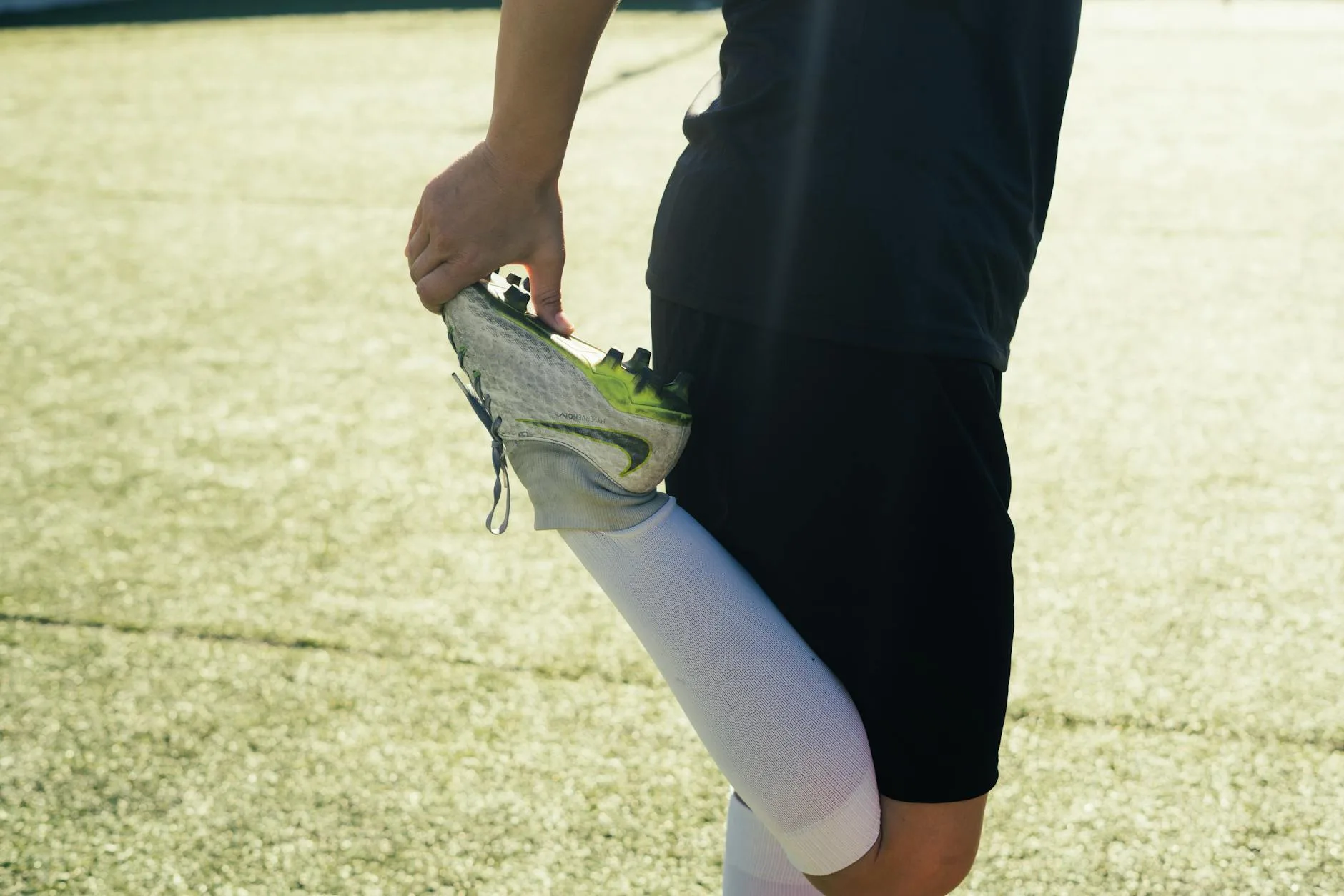
Dynamic Mobility Exercises for British Padel
Shoulder injuries, tight hips, or stiff lower backs can be mitigated by dynamic mobility as temperatures fluctuate at UK venues. Focus on moves that mimic game reality—these are favoured by local physiotherapists and recommended by the LTA:
- Walking knee hugs: tightly hug knee to chest every 2–3 steps
- Open/gate hip movements: lift knee, rotate out and in, walk 5m each direction
- Side reach with lean: arms overhead, gentle lateral trunk stretch
- Leg swings: forwards/backwards, then side-to-side holding fence
- Thoracic windmills: in squat, rotate one arm up to ceiling, alternate
- Wrist pendulum movements: circle wrists, ideal before overhead drills
Repeat each for 8–10 reps per side. Avoid forcing the range—move fluidly and increase tempo gently.
On Court: Specific Movements and Drills
Arriving at court, British players typically have only a short window to use shared space. Make the most of your slot by combining basic skills and movement in these injury-conscious drills:
Net Volleys
Pair up at 2–3 metres from net for controlled volley exchanges – focus on ball placement and soft hands.
Quick Groundstroke Rally
From service box, rally groundstrokes using short compact swings, adjusting feet every shot.
Overhead Returns and Recovery
Practice returning soft lobs with overhead shots, then quickly recover to central position to mimic match flow.
Quick Feet Circuits
Use four cones to step to each corner and back to centre, reacting to partner’s shout.
These drills not only warm up the body but also tune reflexes and sharpness for live play. Most coaches urge players to keep intensity manageable: it’s a warm up, not a fitness circuit.
How to Improve Your Padel Volley: Technique & Drills includes advanced net warm up routines popular in UK club training.

Adapting Warm Ups for Weather and Venues
British courts are found on breezy rooftops, in humid indoor domes, and sometimes on exposed tarmac with unpredictable surfaces. Adjusting your padel warm up routine to match the setting can reduce slips and strains:
- Cold mornings (outdoors): extend aerobic work; add extra upper/lower body joint mobilisation
- Damp or wet conditions: focus on slow, deliberate lateral movement; test grip before speeding up
- Indoor venues: floors may be chilly—prolong joint activation and check for slippery patches
- Windy days: use wind to your advantage during ball drills by practising under/overspin shots
- Autumn/winter evenings: keep extra layers on for first 5 minutes; remove gradually as you warm up
Always bring a microfibre towel and spare socks—UK coaches routinely see injuries resulting from slippery moisture, even inside. Read more packing tips in How to Choose a Padel Bag.
Quick Court Readiness Check
Before the first point, take thirty seconds to read the court. Look for damp patches near the glass, sand build-up on artificial turf, loose balls close to the net, and awkward shadows from low winter sun. Test your first few side steps at half speed, especially on unfamiliar courts. If the surface feels faster or grittier than usual, keep the warm up more controlled and build intensity slowly.
Footwear matters too. Running shoes are poor for padel because they are built for forward movement, not repeated lateral stops. Padel or tennis shoes with suitable side support reduce sliding inside the shoe and make split steps feel more stable. If you regularly play outdoors in wet British weather, check the outsole pattern and replace shoes before the grip is completely worn smooth.
For doubles, agree the first few rallies will be controlled. That gives all four players time to judge bounce, glass speed and court grip before anyone starts chasing full-power winners into the corners.
It also helps mixed-ability groups settle into the session without one player forcing the pace before everyone is physically ready.
That usually makes the first game cleaner, safer and more enjoyable. It sets the tone for the match.
Avoiding Common Padel Warm Up Mistakes
Even committed players fall into bad habits, especially when pressed for time or juggling group bookings. Common errors include:
- Skipping warm up altogether, rushing straight into rallies
- Only static stretching (should be done post-match)
- Copying tennis routines without including padel-specific moves
- Ignoring upper body mobility (shoulders/wrists)
- Overexerting, turning warm up into a pseudo-match
- Not adapting for court conditions (especially in winter/mornings)
- Neglecting hydration before play, even if it feels cool
UK pros suggest warming up with an eye on match intensity—finish feeling alert, not fatigued.
Another mistake is copying the strongest player in the group. A twenty-five-year-old who plays four times a week may need less time than someone returning after a winter break, desk-heavy week or minor calf niggle. Use the same sequence, but adjust the pace. The warm up should prepare your body for your match, not prove fitness to your opponents.
Adjusting for Age and Experience
Junior players usually need structure more than intensity. Keep the routine playful: side shuffles to the glass, reaction catches, light volleys and short movement games. They should learn the habit of warming up without being pushed into adult-style conditioning.
Older players and new players may need longer on hips, calves and shoulders. Add slower repetitions, keep the first rallies controlled, and avoid sudden overheads until the body feels ready. If you have a recurring injury, use advice from a physio or coach rather than guessing. A warm up is useful, but it is not treatment for pain that keeps returning.
Extra Strategies for Injury Prevention
Pair your padel warm up routine with these ongoing strategies to further lower injury risks:
- Invest in quality, UK-appropriate padel shoes—around £70–£130 at retailers such as Pro Padel or Padel Shack
- Use moisture-wicking gear, especially on cooler or mixed-weather days
- Apply athletic tape to vulnerable joints if returning from minor injury
- Keep a first aid kit, plasters, and anti-chafe products handy (see advice in How to Prevent Blisters When Playing Padel)
- Choose a racket that matches your build and game style (Wilson vs Nox vs Adidas: Budget Padel Rackets Compared)
- Stay updated on current UK padel developments—including safety best practice—at The Growth of Padel in the UK: Where Is It Heading?
British padel players, from recreational to competitive, benefit from routines that balance gradually increasing intensity and sport relevancy, rather than basic ‘jog and stretch’ approaches from other racquet sports. According to both the NHS and leading clubs, routines should be fine-tuned to your history and physical condition. For further information, consult your GP or a local sports physio if unsure after minor twinges or persistent soreness.
Also think about the hour after the match. Walk for two minutes before leaving the court, put on a dry layer if you are cooling down outside, and drink before the drive home. Many small strains feel worse later because players go from intense rallies straight into sitting in a car. A short cool-down will not fix poor conditioning, but it helps the body settle after fast stops, twists and lunges.
Frequently Asked Questions
How much time should I spend warming up before a padel match? Aim for 10–15 minutes. In busy UK clubs, use at least 5 minutes activating major joints and muscles before play begins.
Do I need special warm up techniques if I play indoors in winter? Yes, as indoor venues can be cold and affect muscle readiness. Add at least 2 minutes of joint and muscle activation before your first rally.
What if I only have two minutes before a match? Prioritise dynamic upper and lower body moves (arm swings, side shuffles, high knees) and avoid jumping straight into hard shots.
Should I do static stretches before padel? Reserve static stretches for the cool down, after your match. Dynamic stretching is key for preparation.
Does a warm up help prevent blisters as well as strains? While mainly preventing muscle and joint issues, a proper warm up can reduce sudden hard grips or mis-hits, helping manage pressure and reducing blister risk. See How to Prevent Blisters When Playing Padel for further advice.
Can I just use tennis warm up routines for padel? Some movements overlap, but padel needs more lateral mobility, wall awareness, and overhead preparation. Adapt your routine with padel-specific movement as described above.