You have just finished your third padel session this week. You played well, moved quickly, hit some decent volleys — and now you are staring at two angry blisters on the base of your thumb and another forming on your index finger. They appeared halfway through set two, but you played through because you did not want to be the person who stops a match for a blister. Now you cannot grip anything without wincing. This is one of the most common problems in padel, especially for new players, and it is almost entirely preventable.
In This Article
- Why Padel Causes Blisters
- The Grip Problem Most Players Ignore
- Choosing the Right Overgrip
- Grip Size and Handle Shape
- Taping Techniques for Blister Prevention
- Gloves for Padel: Are They Worth It?
- Hand Care and Conditioning
- What to Do When You Get a Blister
- Common Blister Mistakes
- Frequently Asked Questions
Why Padel Causes Blisters
Blisters form when repeated friction creates a shear force between your skin and the underlying tissue. In padel, this friction comes from three sources:
- The racket grip twisting in your hand — every time you hit the ball, the impact tries to rotate the racket. Your hand resists, creating friction between your palm and the grip surface
- Sweat reducing grip security — as your hands get sweaty, you grip tighter to compensate. Tighter grip means more friction and more heat
- Vibration transfer — padel rackets transmit vibration through the handle on off-centre hits. This vibration contributes to skin irritation, especially at the base of the thumb
Why New Players Get Blisters More
If you have been playing padel for less than three months, your hands have not developed the calluses that protect experienced players. Your skin is literally softer. Combined with the fact that beginners tend to grip the racket too tightly (a death grip that tenses the entire forearm), new players are prime blister candidates.
The good news: most blister problems resolve within 4-6 weeks as your hands toughen up and your grip technique improves. The bad news: those first few weeks can be miserable if you do not take preventive measures.
The Grip Problem Most Players Ignore
Before spending money on overgrips, tape, and gloves, fix the underlying cause: most padel blisters come from gripping the racket too tightly.
The Continental Grip
Padel uses a continental grip (like holding a hammer) for virtually all shots. If you are coming from tennis and using a semi-western or western forehand grip, you are applying force in the wrong direction — the racket face rotates differently, creating more friction.
Grip Pressure
On a scale of 1-10, where 10 is a death grip, you should be holding your racket at about a 3-4 during rallies, firming up to a 6-7 at the moment of impact, then immediately relaxing again. Most beginners hold at 7-8 constantly, which exhausts the forearm muscles and creates constant friction. Our grip technique guide covers the mechanics in detail.
The Wrist Strap
Every padel racket has a wrist strap. Use it. The strap prevents the racket from flying out of your hand, which means you can hold the grip more loosely without worrying about losing control. I see players on court every week with the strap dangling unused — these are usually the same players with blistered hands.
Choosing the Right Overgrip
An overgrip is a thin wrap that goes over the existing grip on your racket handle. It is the single most effective blister prevention tool, and it costs about £1-2 per grip.
Why the Factory Grip Is Not Enough
The grip that comes on your racket is designed to be durable, not comfortable. It is usually a firm synthetic material that becomes slippery when wet. An overgrip adds a softer, more absorbent layer that cushions your hand and wicks sweat away from the friction points.
Types of Overgrip
- Dry overgrips (tacky) — feel slightly sticky when dry and maintain grip even with moderate sweat. Best for players who prefer a secure, locked-in feeling. Brands: Wilson Pro Overgrip (about £5 for 3), Yonex Super Grap (about £5 for 3)
- Wet overgrips (absorbent) — become grippier as you sweat, absorbing moisture into the material. Best for heavy sweaters. Brand: Tourna Grip (about £8 for 10) — the gold standard for wet conditions. These feel dry and slightly rough when new but transform when your hands are damp
How Often to Change
Replace your overgrip every 3-5 sessions, or whenever it starts to feel slick and shiny. A worn overgrip provides less cushioning and less sweat absorption — exactly the conditions that cause blisters. At £1-2 per grip, this is a cheap insurance policy. You can pick them up from Decathlon, Amazon, or any padel shop.
Application Tips
- Start from the bottom of the handle, overlapping each wrap by about 3-4mm
- Pull the grip taut as you wrap — loose wrapping creates ridges that cause blisters
- Angle the wrap slightly so it spirals up the handle evenly
- Secure the end with the finishing tape that comes in the packet
- The grip should feel smooth with no bumps or overlapping edges
Grip Size and Handle Shape
A grip that is too small or too large forces your hand to work harder, increasing friction.
Finding the Right Size
Hold the racket in your playing hand with a continental grip. There should be a gap of about one finger-width between your fingertips and the base of your thumb. If your fingers wrap all the way around and touch your palm, the grip is too small. If you cannot comfortably close your hand around the handle, it is too large. For a related angle, see our How to Choose a Padel Partner: Playing Styles and Compatibility guide.
Adjusting Grip Size
- Too small: Add an overgrip (adds about 1-2mm to the circumference). For a bigger increase, add a base replacement grip plus an overgrip
- Too large: Remove the existing grip and apply just an overgrip directly to the bare handle. This reduces the circumference noticeably
Most padel rackets come in a single grip size that suits medium hands. If you have very small or very large hands, grip adjustment is essential for comfort. Our padel gear guide covers other equipment considerations.
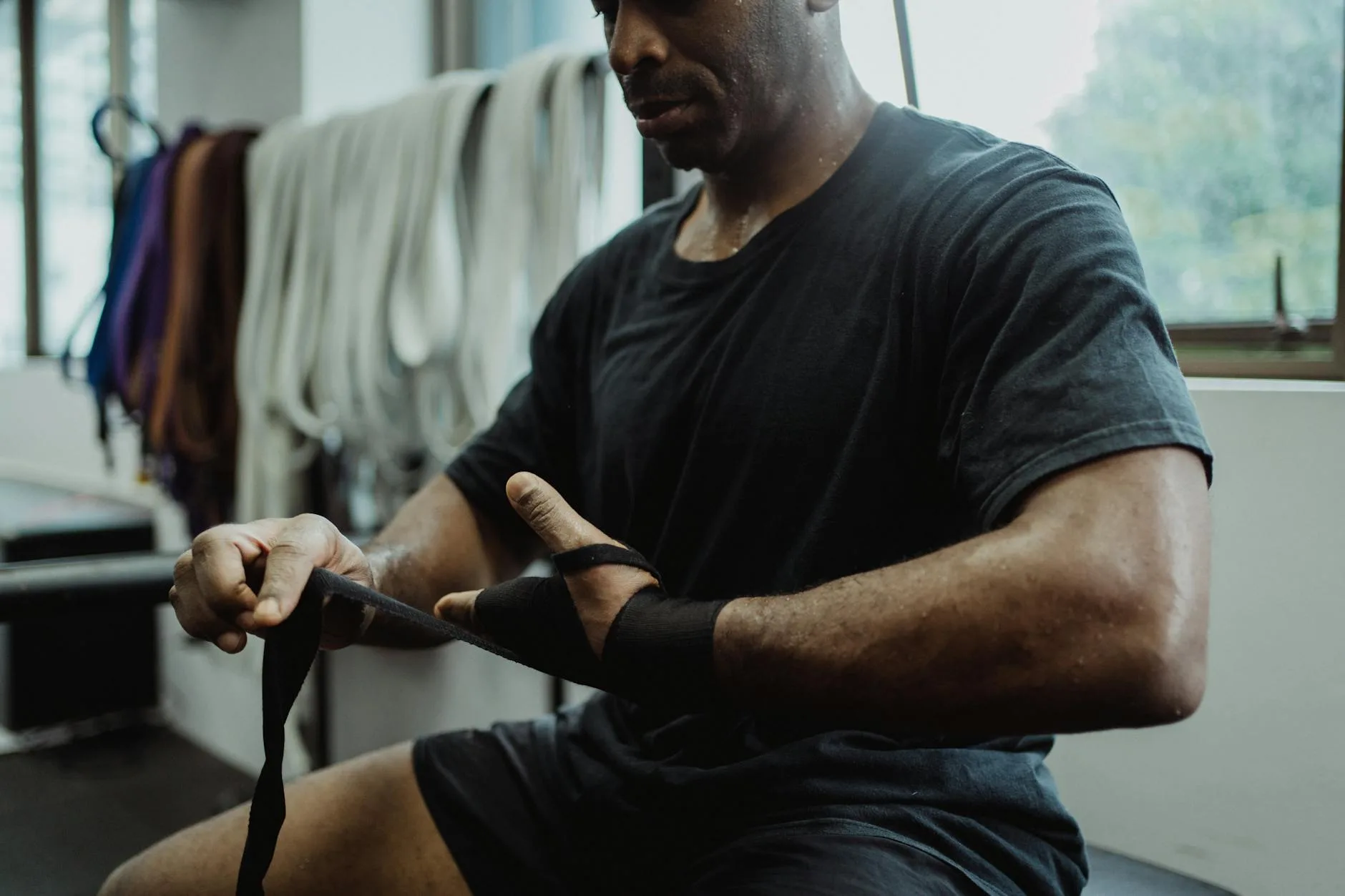
Taping Techniques for Blister Prevention
Athletic tape or finger tape can protect known blister spots before they develop. This is the approach used by professional players who play multiple matches per day.
Where to Tape
The three most common blister spots in padel:
- Base of the thumb (the fleshy pad where your thumb meets your palm) — this is where most padel blisters form, caused by the racket rotating against this contact point
- Index finger (the inside surface where it wraps around the grip) — friction from the grip edge
- Base of the ring finger and pinky — common in players who grip with their lower fingers
How to Tape
- Use zinc oxide athletic tape (about £3-4 per roll from Boots or Amazon) or purpose-made finger tape
- Apply to clean, dry skin before playing — not after blisters have started forming
- Wrap the affected area with a single layer, smoothing out any wrinkles (wrinkled tape creates its own friction)
- The tape should be firm but not tight enough to restrict circulation or reduce sensation
- Replace between sessions — tape loses adhesion and cushioning as it gets sweaty
Pro Tip
Some players apply a thin layer of surgical spirit to their blister-prone areas daily for two weeks before starting padel. This toughens the skin without causing damage. It stings a bit but works. Old-school rugby players use the same trick for their hands.
Gloves for Padel: Are They Worth It?
Padel gloves are becoming more common, especially among players who struggle with chronic blisters or excessive sweating.
Advantages
- Complete hand protection — no exposed friction points
- Sweat management — most gloves wick moisture away from the hand
- Consistent grip feel regardless of conditions
- Confidence to play without worrying about blisters
Disadvantages
- Reduced tactile feedback — some players feel less connected to the racket
- Can feel hot in summer
- Need replacing every 2-3 months with regular use
- Some players consider them a crutch that prevents hand conditioning
Recommendations
- Hesacore Padel Grip alternative — not a glove but a textured grip overlay (about £15) that changes the handle shape to reduce friction. Extremely popular in professional padel. Worth trying before committing to gloves
- Wilson Staff glove (about £10-12) — a lightweight golf-style glove that works well for padel. Single glove for your dominant hand
- Karakal X4 glove (about £8-10) — designed for racket sports, good grip and breathability
I played with a glove for about two months when I first started padel and it completely eliminated blisters. Once my hands toughened up, I switched to just an overgrip and have been fine since. A glove is a great bridge solution while your hands adapt.
Hand Care and Conditioning
Building natural protection is the long-term solution. Here’s how to help your hands adapt:
Between Sessions
- Moisturise — dry, cracked skin blisters more easily than supple skin. Use a basic hand cream (E45, Neutrogena) after showering. Avoid immediately before playing (slippery hands)
- Let calluses build — resist the temptation to pick at or remove developing calluses. They are your body’s natural protection. Only remove calluses if they develop hard, raised edges that could tear — use a pumice stone gently, do not cut them
- File rough edges — a nail file on the edges of calluses prevents them from catching and tearing during play
During Sessions
- Dry your hands regularly — bring a small towel to court and wipe your hands between points. Moisture is the enemy
- Change overgrips mid-session if you sweat heavily. Carry a spare in your bag
- Take your hand off the grip between points — shake your hand loose, flex your fingers. Constant gripping accelerates blister formation
Building Tolerance
Play frequency matters more than session length. Three 60-minute sessions per week builds hand conditioning faster than one 3-hour session. Short, frequent exposure allows your skin to adapt progressively rather than being overwhelmed.
What to Do When You Get a Blister
During Play
If you feel a hot spot (the precursor to a blister — a warm, sensitive area of skin), stop and tape it immediately. A hot spot treated early will not develop into a full blister. If an actual blister forms:
- If it is small and not painful, you can continue playing with tape over it
- If it is large, painful, or affecting your grip, stop. Playing through a significant blister risks tearing it open, which is much worse Our Padel Court Surfaces Explained guide is useful alongside this.
After Play
For intact blisters (fluid-filled but unbroken):
- Leave them alone if possible — the fluid is sterile and protects the new skin forming underneath
- Cover with a blister plaster (Compeed are excellent — about £5 from Boots) to protect from further friction
- The blister will reabsorb naturally within 3-5 days
For torn blisters:
- Clean gently with mild soap and water
- Do not remove the torn skin — it acts as a natural bandage
- Apply antiseptic cream and cover with a breathable plaster
- Keep it dry and clean between plays
When to See a Doctor
If a blister shows signs of infection (increasing redness, warmth, pus, red streaking, or fever), see a GP or pharmacist promptly. The NHS blister guidance covers when medical attention is needed.

Common Blister Mistakes
Playing Through Pain
The macho “just play through it” approach turns a minor blister into a torn, bleeding mess that takes two weeks to heal instead of four days. There is no shame in taping up or sitting out the last set. The best players protect their hands because they want to play tomorrow, not prove a point today.
Gripping Tighter When Hands Hurt
When your hand hurts, the instinct is to grip tighter to avoid the racket slipping. This creates more friction and makes the blister worse. Force yourself to relax your grip. The wrist strap is there for safety — trust it.
Using the Wrong Tape
Standard plasters and medical tape do not work well for blister prevention during sport. They curl, lose adhesion, and bunch up. Use zinc oxide athletic tape or Compeed blister plasters, which are specifically designed to stay in place under friction and moisture.
Ignoring the Overgrip
Playing with a worn, slick overgrip is asking for blisters. If you can see the shiny base grip material through worn patches in the overgrip, it needed replacing three sessions ago. Our racket guide covers grip maintenance alongside other equipment care.
Not Warming Up Hands
Cold hands blister more easily than warm ones. In winter especially, warm your hands thoroughly before playing — rub them together, swing the racket gently, do some light rallying before you start competing.
Frequently Asked Questions
How long until my hands stop getting blisters? For most players, 4-6 weeks of regular play (3+ sessions per week) builds enough callus protection to prevent blisters. During this adaptation period, use overgrips, tape, or gloves to manage the problem. If you play once a week, the adaptation takes longer because your skin does not get enough consistent stimulus.
Should I pop a padel blister? Generally no. An intact blister heals faster because the fluid cushions the new skin forming underneath. The only exception is if the blister is very large and painful enough to prevent you from playing — in that case, sterilise a needle, drain the fluid from the edge, leave the skin intact, apply antiseptic, and cover with a Compeed plaster.
Are padel-specific overgrips better than tennis overgrips? They are virtually identical. Tennis overgrips (Wilson, Yonex, Tourna) work perfectly for padel. Some brands market “padel-specific” overgrips at a higher price, but the material and construction are the same. Buy whichever is cheaper.
Does the racket shape affect blisters? Indirectly, yes. A diamond-shaped racket (top-heavy) generates more vibration on off-centre hits, which increases hand fatigue and friction. A round-shaped racket (balanced) transmits less vibration and is more forgiving. If you are prone to blisters, a round or teardrop shape may help.
Can I play padel with a blister? If it is small, taped, and not actively painful — yes. If it is large, torn, or painful — rest it. A torn blister exposed to sweat and friction risks infection and extended recovery time. Missing one session is better than missing two weeks.