New padel shoes should feel secure on court, not painful. This break in new padel shoes guide gives you a short, practical plan for taking a fresh pair from box-fresh stiffness to match-ready comfort without ruining the return window, shredding your heels, or finding out in set two that the sole grips very differently from your old pair.
In This Article
- How Long New Padel Shoes Should Take to Break In
- Check the Fit Before You Mark the Soles
- Break in New Padel Shoes Guide: The 3-Session Plan
- Test the Grip Before You Trust It in a Match
- Stop Blisters Before They Start
- What Not to Do With New Padel Shoes
- When They Are Ready for a Proper Match
- Frequently Asked Questions
How Long New Padel Shoes Should Take to Break In
Most decent padel shoes need two or three short court sessions before they feel natural. If they still pinch after that, the issue is probably fit rather than break-in time.
That distinction matters. Padel shoes are built to cope with quick stops, side lunges and small split steps, so they should feel firmer than a soft running trainer. They should not crush your toes, rub your heel raw, or make the outside of your foot ache after ten minutes.
Expect the upper to soften a little. Expect the heel collar to settle. Expect the sole to lose that slightly glassy new-shoe feel. Do not expect a half-size-too-small shoe to magically grow.
A realistic timeline
For most players, this is enough:
- Day 1: 20 minutes indoors at home. Wear the shoes with the socks you normally play in. Walk, bend, squat and check for obvious pressure points.
- Session 1: 20-30 minutes on court. Warm up, hit gently, do short side steps, then stop. No competitive set yet.
- Session 2: 45-60 minutes of drills. Add split steps, volleys, recoveries from the glass and controlled changes of direction.
- Session 3: one light match or match-style session. If your feet still feel normal afterwards, the shoes are ready.
If you play once a week, that means allowing two to three weeks before a league match or club tournament. If you play twice a week, you can usually judge them within ten days.
What a good break-in feels like
A good pair moves from “firm and new” to “secure and forgettable”. You should stop noticing the heel collar. Your toes should not hit the front on sudden stops. Your midfoot should feel held when you push sideways.
If the shoes feel brilliant standing still but sloppy when you change direction, be careful. Padel is not a walking test. The shoe has to hold your foot when you chase a lob, plant for a bandeja, and recover from the side glass.
Check the Fit Before You Mark the Soles
Before you wear new padel shoes outside or scuff the soles on court, check the fit properly. Most UK retailers are much easier to deal with before the shoe looks used.
Try them on late afternoon or evening, when your feet are usually a touch bigger. Use your normal padel socks, not thin everyday socks. A decent pair of sports socks costs about £8-£18 from Decathlon, Sports Direct, Amazon UK or Tennis-Point, and they can change the fit more than people expect.
The quick fit checklist
Your new shoes should pass these checks:
- Toe room: around a thumb’s width in front of your longest toe, but not so much that your foot slides forward.
- Heel hold: no obvious lift when you walk upstairs or do a gentle calf raise.
- Midfoot lock: snug across the middle without numbness or tingling.
- Width: no hard pressure on your little toe joint or big toe joint.
- Arch feel: supported, not propped up like you are standing on a ridge.
This is where buying the right shoe type pays off. If you are still choosing, the How to Choose Padel Shoes: Grip, Support & Comfort guide covers fit and support in more depth. If you are moving from tennis shoes, read Padel Shoes vs Tennis Shoes: Can You Use Tennis Shoes? before assuming the same size and feel will work.
Price affects comfort, but not always how you think
Budget padel shoes around £45-£70 can be fine for casual play, but they often have firmer uppers and simpler cushioning. Mid-range pairs from Asics, Babolat, Head or Adidas usually sit around £75-£120 and tend to soften more predictably. Premium models can reach £130-£160, but a higher price does not fix a bad last shape for your foot.
I would rather buy a £90 shoe that fits cleanly than a £150 shoe that needs three blister plasters before every session. No one plays their best while negotiating with their own heel.
Break in New Padel Shoes Guide: The 3-Session Plan
The best way to break in new padel shoes is to increase load in stages. Start with fit, then movement, then match pressure. Jumping straight into two hours of competitive play is how you turn a decent pair into a grudge purchase.
Session 1: easy movement only
Keep the first court session short. Twenty to thirty minutes is enough. Your goal is to feel how the shoe bends, where it rubs, and how the sole grips the actual surface you play on.
Use this first session for:
- Short-court warm-up: gentle rallies from the service line, no lunging for lost causes.
- Side steps: two or three metres each way, staying balanced rather than fast.
- Split steps: small, repeated landings to test forefoot comfort.
- Short volleys: controlled movements forward and back.
- Serve practice: enough to test push-off, not a full bucket of balls.
Stop if you feel hot rubbing on the heel, little toe or ball of the foot. A small warning at minute 20 can be a mess by minute 70.
Session 2: controlled padel movements
For the second session, move closer to real play. Add side-glass recovery, short forward bursts and back-court footwork. Still avoid full-match chaos.
This is the session where new shoes usually reveal their personality. Some feel more planted than your old pair, which is great until you try to rotate and the sole grips harder than expected. Others feel a bit slick for the first 20 minutes, especially on sandier artificial turf.
If you are unsure about sole pattern, the Padel Shoe Sole Types: Herringbone, Omni & Mixed explainer is worth reading. Herringbone soles usually suit sandier courts, while mixed or omni patterns can feel better on newer artificial turf with less loose sand.
Session 3: light match conditions
Only use session three for proper points if the first two sessions were comfortable. Play one controlled set, or agree with your partner that you are testing shoes rather than chasing every ball into the back wall like it owes you money.
Afterwards, check your feet before you forget. Redness on the heel or little toe is useful information. Numb toes, bruised nails or arch pain are stronger warnings.
Test the Grip Before You Trust It in a Match
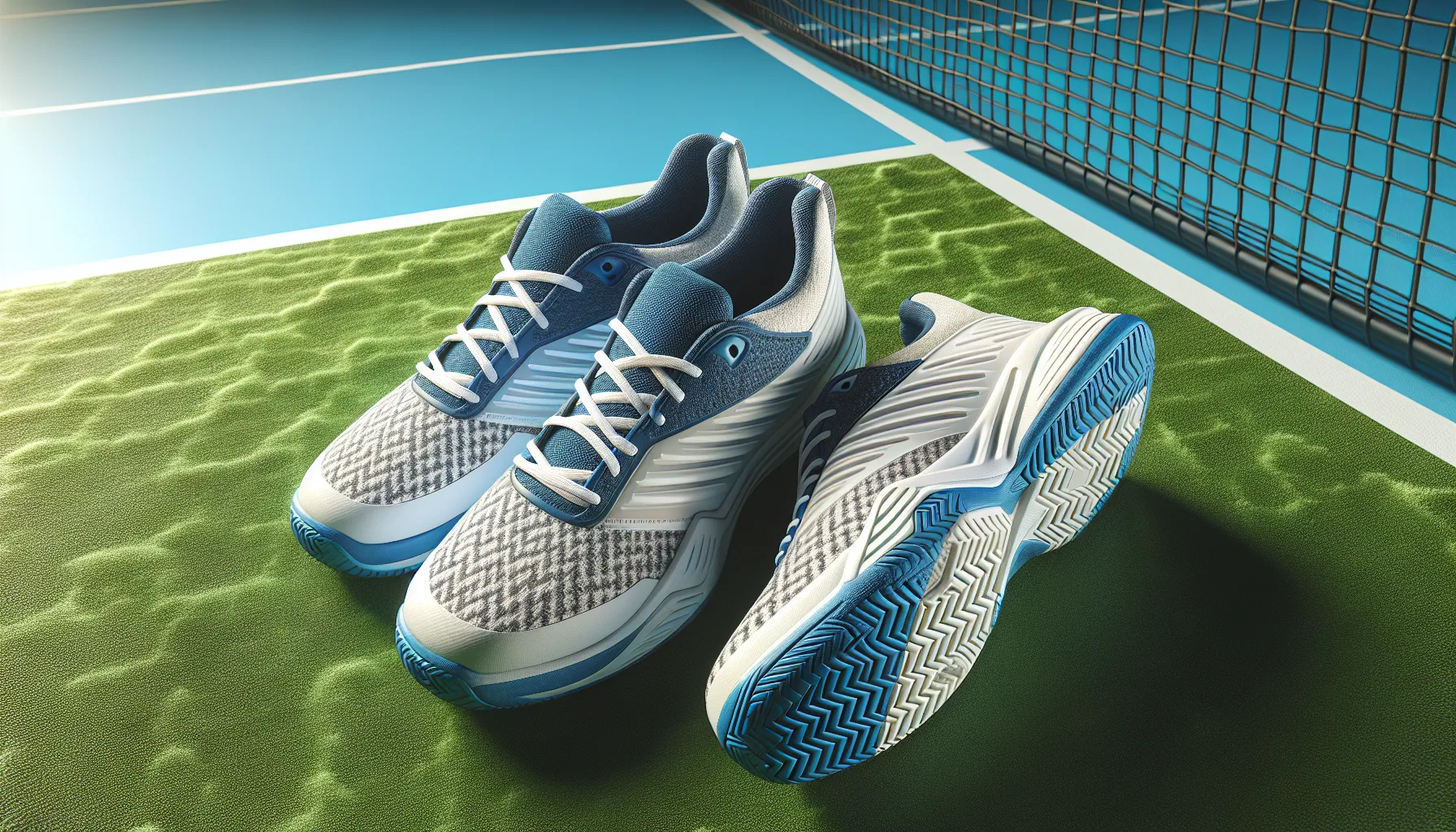
New padel shoes do not just need comfort testing. They need grip testing. Padel has awkward stop-start movement, and the wrong sole feel can make you late, cautious or too stuck to rotate.
The LTA describes padel as a doubles racket sport played on an enclosed court, and that court shape is exactly why footwear matters. You are not just running in straight lines; you are turning from glass, recovering to the net, and making small lateral moves under pressure. The LTA padel overview is here: LTA padel guidance.
Check three movements
Do these at half speed first:
- Side lunge and recover: check that the outside edge holds without rolling your ankle.
- Small pivot: check that you can rotate without the sole biting too hard.
- Forward stop: check that your toes do not slam into the front of the shoe.
If the shoe feels too grippy, do not try to “wear it down” by dragging it on concrete. That can damage the sole and ruin the exact grip pattern you paid for. Keep the first proper session controlled and let the sole bed in on the court surface it is meant for.
Indoor vs outdoor courts
Indoor courts often feel cleaner and more predictable. Outdoor courts can be damp, sandy or patchy depending on weather and maintenance. If you play across different clubs, break the shoes in on the court type you use most.
A shoe that feels secure on a dry indoor court can feel heavy on a damp outdoor surface. It is still the same shoe, but the sole is meeting a different problem.
Stop Blisters Before They Start
Blisters usually come from friction, heat and moisture. New shoes increase all three because the upper is stiffer and your foot has not settled into its usual movement pattern.
The NHS advice on blisters is simple: avoid bursting them, keep them clean, and protect them while they heal. For padel, the better move is to spot the rubbing early and prevent the blister before it forms.
What to pack for the first sessions
You do not need a medical kit worthy of a mountain expedition. A small padel bag pocket is enough:
- Blister plasters: Compeed or own-brand hydrocolloid plasters usually cost £4-£7 at Boots, Superdrug or Amazon UK.
- Sports tape: a roll is usually £3-£8 and useful for a heel or toe hot spot.
- Spare socks: changing out of damp socks mid-session can save your skin.
- Thin liner socks: about £8-£15, useful if you often get toe friction.
Do not wait until the skin is open. If you feel heat in one spot, stop, dry the area and cover it before continuing.
Socks matter more than most players admit
Thin cotton socks are poor for padel. They hold sweat and bunch up. A cushioned synthetic sports sock or tennis sock is better. If your new shoes are already snug, avoid very thick socks because they can create pressure rather than solve it.
For players who get heel rub, I like a padded crew sock that sits above the collar. For toe blisters, a smoother technical sock helps more than simply going thicker.
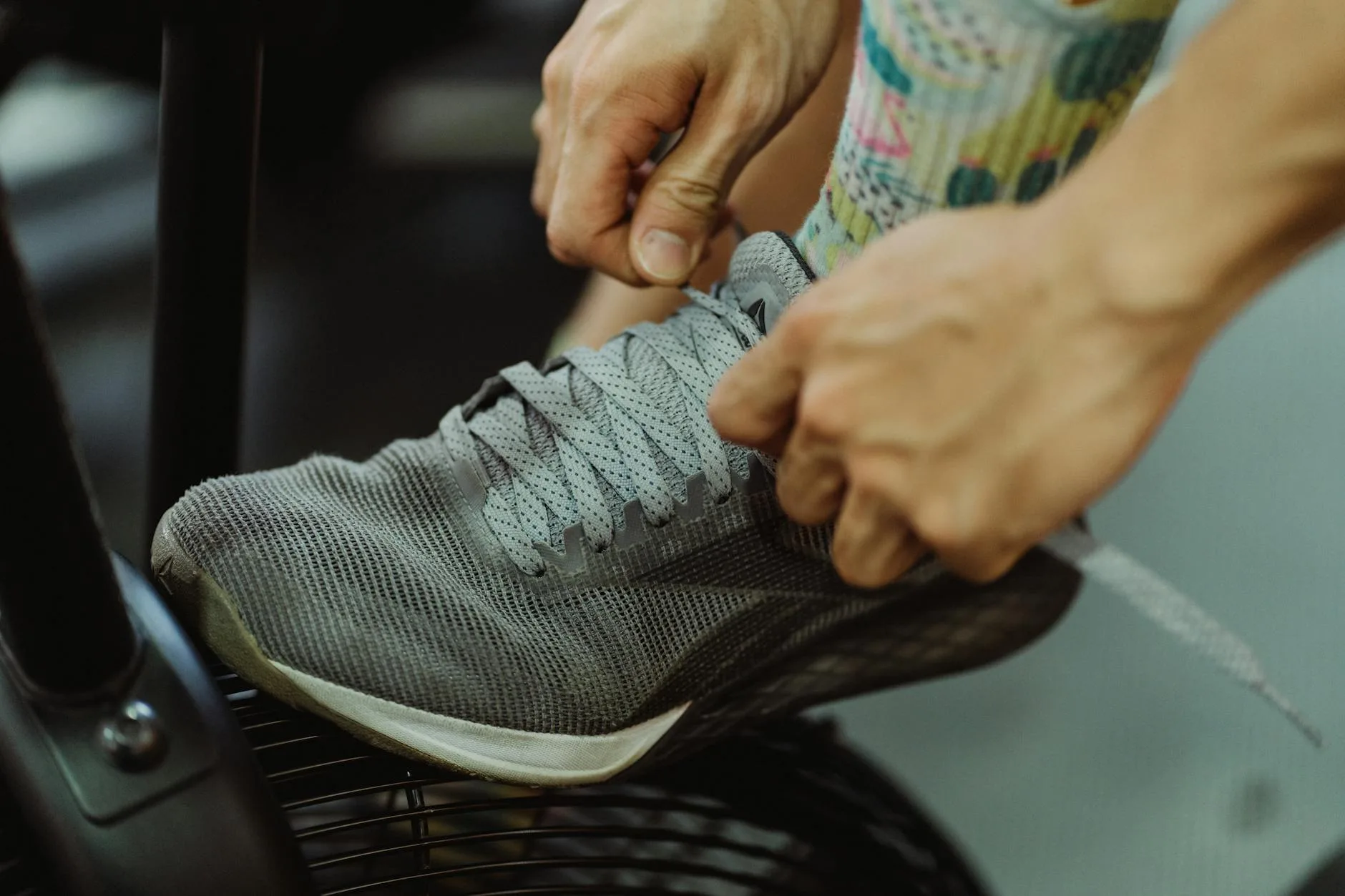
Adjust the lacing, not just the size
Many new-shoe problems are lacing problems. If the shoe is the right length but still feels wrong, change the lace tension before you blame the shoe.
Heel slipping: if your heel lifts slightly, use the extra top eyelet if the shoe has one. This is often called a runner’s loop or heel lock. It pulls the collar closer around the ankle without crushing the front of the foot.
Replacement laces cost about £3-£7 from Decathlon, Sports Direct or Amazon UK. Flat laces usually hold better than round laces in court shoes.
Top-of-foot pressure: if the top of your foot aches, skip one eyelet over the pressure point and lace normally above it. This creates a small window while keeping the rest of the shoe secure.
Do not crank the laces tighter to stop sliding if the real issue is length. If your toes keep hitting the front, the shoe is too short or too shallow for you.
Arch discomfort: some padel shoes have quite firm midsoles. If you normally use insoles, test them during the home-wear stage first. Superfeet, Sorbothane and Sidas insoles commonly sit around £20-£45 in the UK, but they take up space inside the shoe.
Insoles can help if the shoe has spare volume. They can make things worse if the shoe is already tight across the midfoot.
What Not to Do With New Padel Shoes
There is plenty of terrible shoe advice floating around. Most of it comes from leather dress shoes, football boots, or people who should know better.
Do not soak them
Soaking new padel shoes in water can weaken adhesives, distort the upper and make the shoe dry oddly. It also leaves you with a damp shoe, which is a strong start if your goal is blisters.
Do not heat them with a hairdryer
Heat can damage synthetic uppers and glue. It may make the shoe feel softer for five minutes, but it is not worth risking a £90-£130 pair of court shoes.
Do not wear them for a long run
Padel shoes are court shoes, not running shoes. A 5 km pavement run will not break them in properly for lateral movement, and it may chew up the outsole. If you need running kit, buy running kit. Your padel shoes have a different job.
Do not play a tournament in them first
This sounds obvious until someone does it. New shoes plus match nerves plus a different court surface is asking for sore feet and hesitant movement. Use your old pair for the tournament and bring the new pair for warm-up or practice afterwards.
If you are also dealing with old-shoe grip problems, the How to Clean Padel Shoes: Grip, Odour & Drying Guide article explains when cleaning helps and when the sole is simply done.
When They Are Ready for a Proper Match
New padel shoes are match-ready when you stop thinking about them. Not when they look new. Not when you have worn them around the kitchen for an evening. When they let you move naturally.
The match-ready checklist
Before using them in a league match, check:
- No heel rub: your heel stays put during side steps and short sprints.
- No toe impact: your toes do not hit the front when you stop hard.
- Predictable grip: you can pivot, lunge and recover without sticking or sliding.
- No numbness: your forefoot feels normal after 45-60 minutes.
- No new pain: your arch, Achilles and outside ankle feel normal the next morning.
If all five are fine, you are good to go. If one is borderline, use them for another practice session. If two or more fail, they are probably the wrong shoe for your foot or court surface.
Keep the old pair for one more week
Do not bin your old shoes the moment the new ones arrive. Keep them in your bag for the first couple of sessions. If the new pair starts rubbing, swap back rather than limping through the rest of the booking.
If your old pair is worn out and you are still shopping, see Best Padel Shoes 2026 UK: Grip & Comfort Tested for current UK options. For injury context, Padel Warm-Up Routine: Prevent Injuries and Padel Injuries: Common Problems and How to Avoid Them are useful companions. Footwear is only one part of staying comfortable, but it is a big one.
The bottom line: break new padel shoes in like court equipment, not casual trainers. Check fit at home, build up through two or three short sessions, fix small rubbing early, and save proper matches until the shoes feel boring. Boring is exactly what you want from footwear.
Frequently Asked Questions
How long does it take to break in new padel shoes? Most new padel shoes take two or three short court sessions. If they still pinch, rub or make your toes numb after that, they are probably the wrong fit rather than simply new.
Can I wear new padel shoes for a match straight away? You can, but it is a risk. Use them for at least one short practice session first so you can test grip, heel hold and toe pressure before points matter.
Should padel shoes feel tight at first? They should feel snug, not tight. A secure midfoot is good, but toe pressure, numbness or heel rubbing are warning signs.
Can I break in padel shoes by wearing them around the house? Yes, but only partly. Wearing them indoors helps you check fit and soften the upper, but you still need court movement to test grip and lateral support.
What should I do if new padel shoes give me blisters? Stop early, dry the area and protect the hot spot with a blister plaster or sports tape. If the same spot rubs every session, the shoe shape may not suit your foot.
Do padel shoes stretch over time? They soften slightly, especially around the upper and heel collar, but they do not stretch like leather casual shoes. Do not buy a pair that relies on major stretching to fit.