Padel injuries usually come from the same few places: rushing the warm-up, wearing shoes that slide on sanded turf, playing too many games after a quiet week, or trying to rescue balls from awkward glass rebounds when your legs are already cooked. The good news is that most common problems are avoidable if you treat padel like a stop-start sport, not a gentle knockabout.
In This Article
- The Common Padel Injuries to Watch For
- Why Padel Catches People Out
- Warm Up Like You Are About to Change Direction
- Choose Shoes for the Court, Not the Brand
- Manage Load Before Your Body Complains
- Strength and Mobility Work That Pays Off
- What to Do When Something Hurts
- Return to Play Without Starting Again
- Frequently Asked Questions
The Common Padel Injuries to Watch For
Padel injuries prevention starts with knowing what actually tends to go wrong. Padel is less brutal on the shoulder than tennis serving, but it is harder on ankles, calves, knees and lower backs than many beginners expect because rallies involve short sprints, split steps, turns, lunges and sudden brakes.
Lower-body problems
The injuries I would watch for first are:
- Ankle rolls: usually from late movement, poor shoe grip, or landing on the edge of the foot after a wide ball.
- Calf strains: common when people sprint from cold, play several matches in a week, or push off hard on a tired leg.
- Achilles soreness: often a load-management warning, especially for players returning after time off.
- Knee irritation: usually linked to repeated stopping, twisting, lunging and weak hip control.
- Lower-back tightness: often from rushed low volleys, reaching behind the body, or rotating without moving the feet.
- Elbow and wrist pain: more likely when the grip is too tight, the racket is too head-heavy, or every shot is muscled.
- Shoulder niggles: usually from repeated overheads, bandejas and viboras without enough upper-back control.
- Blisters and toe bruising: boring, but very real if your shoes are loose, too narrow, or wrong for the surface.
The point is not to make padel sound dangerous. It is to stop treating every niggle as random bad luck. If your calf tightens after the same second set every week, or your outside knee aches after playing on fast courts, there is probably a pattern worth fixing.
Upper-body and skin issues
For medical basics, the NHS advice on sprains and strains is a useful reference for early care and warning signs. It is not padel-specific, but the first-response principles apply well to common soft-tissue tweaks.
Why Padel Catches People Out
Padel looks accessible because the court is small and the racket is short. That is part of the trap. You do not need a huge tennis serve or a long baseline swing, so people often jump straight into games without preparing their body for the bits that matter: repeated acceleration, deceleration, rotation and awkward recovery steps.
The court walls also change the injury profile. A ball off the glass can make you twist late, backpedal under pressure, or reach behind the hip when you should have reset your feet. That is when ankles, backs and shoulders get irritated.
There is also the social side. Padel sessions often run for 90 minutes, players rotate partners, and nobody wants to be the person who sits out after 20 minutes. Add one extra match because the court is still free and suddenly a harmless calf twinge becomes a two-week problem.
The biggest beginner mistake is playing padel as if effort is the same as readiness. It is not. You can be fit enough to run 5km and still be poorly prepared for padel changes of direction. A runner’s engine helps, but it does not give you ankle stiffness, hip control, shoulder tolerance or court-specific footwork by magic.
If you are still building your overall game, pair this injury guide with our common padel mistakes beginners make piece. A lot of injury risk comes from the same technical errors: standing too square, reaching late, overhitting and forgetting to recover after the shot.
Warm Up Like You Are About to Change Direction
A good padel warm-up is not a token jog and two shoulder circles. It needs to raise your temperature, wake up your feet, and rehearse the shapes you will use in the first rally.
I would spend 8-10 minutes before a match, even if everyone else is impatient. It feels overcautious until you play one cold point, lunge for a low volley and feel your calf ask why nobody warned it.
A practical 10-minute sequence
Use this simple sequence:
- Start with 2 minutes of easy movement: light jogging, side steps, backwards steps and gentle skips around the court.
- Add ankle and calf prep: 10 calf raises, 10 bent-knee calf raises, and a few controlled ankle circles each side.
- Open the hips: walking lunges, lateral lunges and bodyweight squats, staying smooth rather than chasing depth.
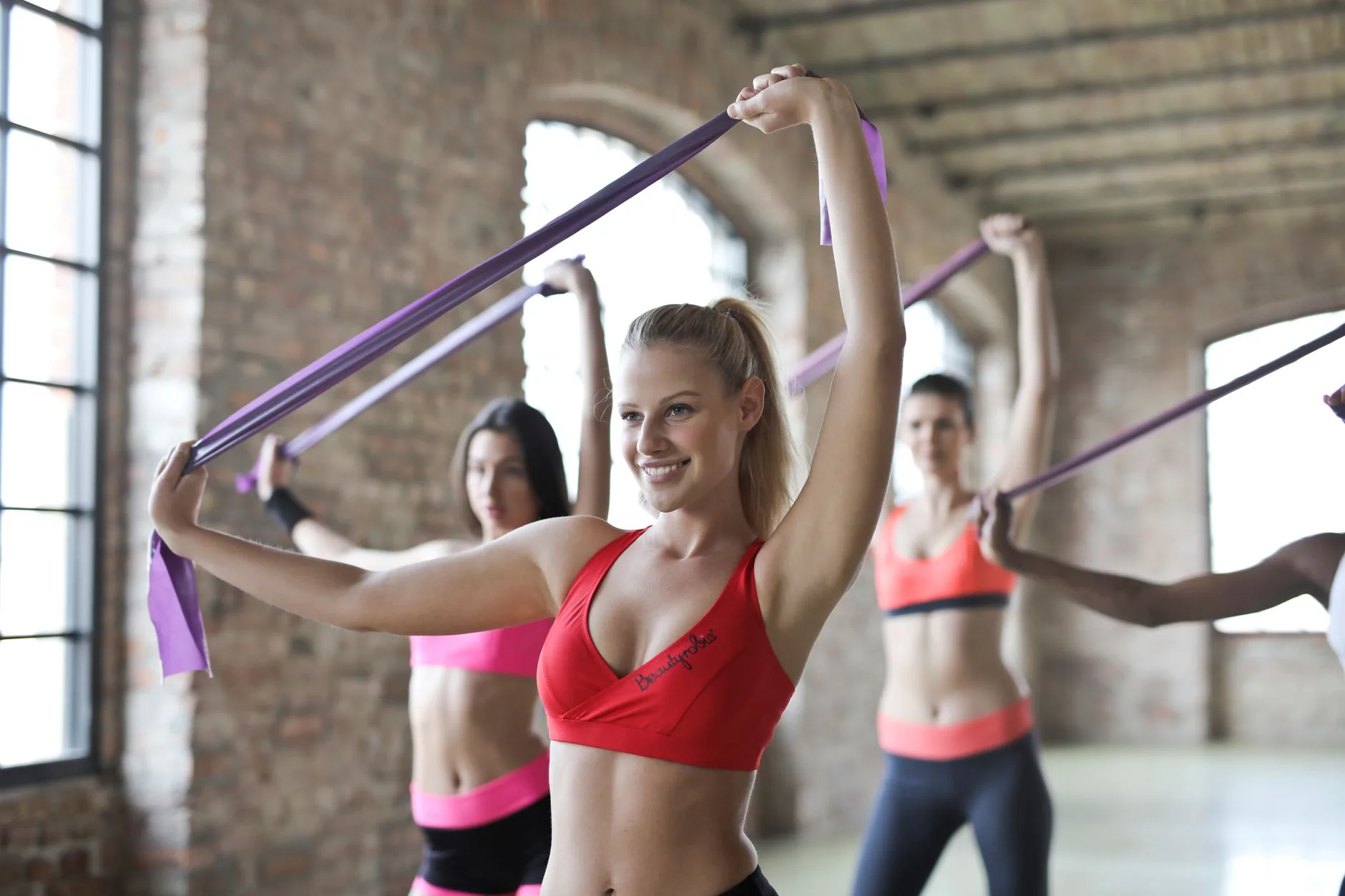
- Switch on shoulders and upper back: band pull-aparts, wall slides or slow racket circles if you have no band.
- Rehearse padel footwork: split step, two quick side steps, recover, then repeat both directions.
- Hit progressively: start with gentle volleys and controlled overhead shapes before anyone starts smashing.
A mini resistance band costs about £6-£12 from Decathlon or Amazon UK and is worth keeping in your padel bag. It is more useful than most novelty accessories because it lets you warm shoulders, hips and ankles properly without needing gym space.
I would still keep our dedicated padel warm-up routine handy if you want a fuller pre-match sequence. Here, the key is simpler: do not make your first explosive movement of the day happen during the first game.
Choose Shoes for the Court, Not the Brand
Footwear is one of the easiest padel injuries prevention wins because the wrong shoe gives you either too much slide or too much stick. Both can cause trouble. Too much slide makes you lose balance; too much bite can leave your foot planted while your knee and hip keep rotating.
Most UK players should look at proper padel shoes or clay-court tennis shoes with a herringbone-style sole. Expect to pay about £55-£90 for a sensible pair from Decathlon, Sports Direct, Tennis-Point or Amazon UK. Better models from Asics, Babolat, Bullpadel, Head or Adidas often sit around £90-£140.
The cheapest general trainers are false economy if you play weekly. Running shoes are built for forward movement, not lateral braking. They can feel comfortable in the shop and still be sloppy when you have to push sideways for a volley. I have seen players blame their ankles when the real issue was a tall, soft running sole rolling underneath them.
Quick shoe-buying filter
Use this quick buying filter:
- For sanded artificial turf: choose herringbone or mixed soles that can grip without locking too hard.
- For newer Mondo-style surfaces: check the venue advice because some courts need slightly different grip.
- For ankle confidence: prioritise heel hold and lateral stability over plush cushioning.
- For toe bruising: allow enough forefoot room, especially if you stop hard at the net.
- For blisters: pair the shoes with decent technical socks, about £8-£15 for a two-pack from Decathlon or Amazon UK.
If your feet are the recurring issue, our guides to how to choose padel shoes, padel shoe sole types and preventing blisters when playing padel go deeper without turning this article into a shoe encyclopaedia.
Manage Load Before Your Body Complains
The quickest route to a padel injury is not always one bad movement. More often, it is a normal movement done when the tissue is tired, under-recovered or suddenly asked to do twice as much as last week.
Be wary of the classic new-player jump: one weekly game, then three games, then a tournament, then a sore Achilles on Monday morning. The body can adapt to padel, but tendons and calves dislike sudden enthusiasm. Annoying, but true.
A practical weekly rhythm looks like this:
- One session per week: fine for beginners, but still warm up properly and avoid going from zero to two-hour matches.
- Two sessions per week: leave at least one recovery day between hard games where possible.
- Three sessions per week: make one session lighter, more technical, or shorter rather than playing every match like a final.
- Tournament weekends: reduce heavy leg work for 48 hours before and do not test new shoes on the day.
Pain that eases as you warm up but returns later is a warning, not a green light. Achilles and patellar tendon irritation often behaves like that. If the same pain is there the next morning, drop your next session intensity instead of hoping it disappears during the first set.
Booking courts in the UK is not cheap now. A 60-90 minute indoor padel court can easily cost £24-£48 depending on venue and time, so I understand the urge to squeeze every minute out of it. Still, losing two weeks to a calf strain is a worse deal than finishing one game early.
Strength and Mobility Work That Pays Off
You do not need a full gym programme to reduce injury risk. You need enough strength and control in the places padel asks awkward questions: calves, ankles, hips, trunk, upper back and shoulders.
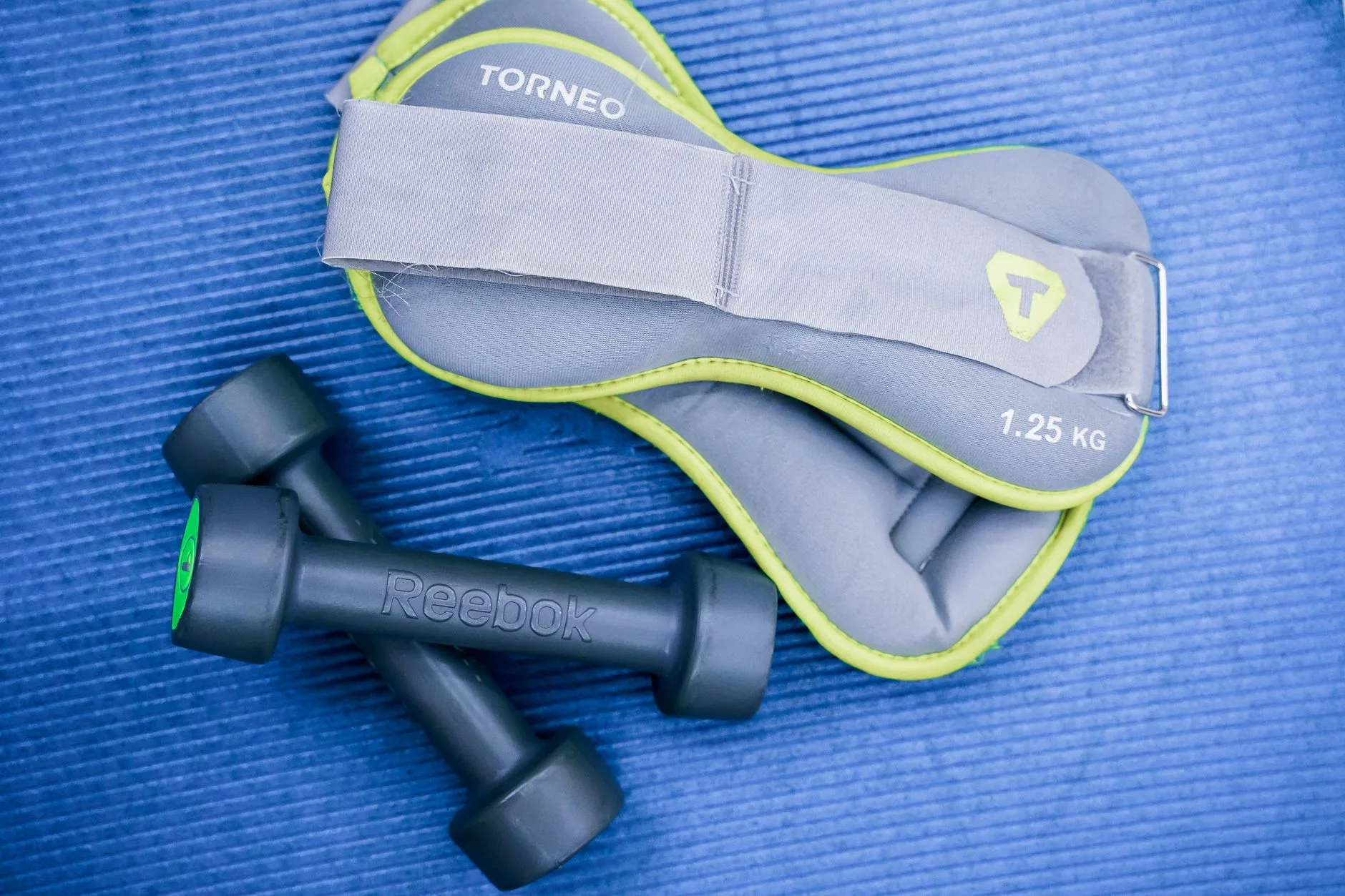
Two short sessions per week is plenty for most recreational players. Fifteen minutes at home beats a heroic gym plan you never do. A yoga mat costs about £10-£25 from Argos, Decathlon or Amazon UK; a light-to-medium resistance band is about £6-£15; a pair of adjustable dumbbells is useful but optional.
The exercises worth keeping
The highest-return exercises are:
- Calf raises: straight-knee and bent-knee versions, slow on the way down.
- Single-leg balance: stand on one leg, then add small reaches or gentle racket swings.
- Lateral lunges: build strength in the side-to-side positions padel uses constantly.
- Split squats: useful for low volleys, recovery steps and knee control.
- Side planks: help with trunk control when reaching and rotating.
- Band external rotations: good shoulder maintenance for overheads and repeated volleys.
- Thoracic rotations: improve upper-back movement so the lower back does not do all the twisting.
The LTA’s padel hub is useful for broader playing context and equipment basics, especially if you are still learning the game structure and movement demands: how to get started playing padel. Use that alongside simple strength work and you will make better decisions on court, not just in the gym.
The test I like is simple: can you hold a controlled single-leg stance for 30 seconds each side, then do 10 slow calf raises without wobbling all over the place? If not, your body is telling you exactly where to start.
What to Do When Something Hurts
If you feel a sharp pain, a pop, sudden swelling, or you cannot put weight through the joint properly, stop playing. Do not be brave for the sake of a Wednesday league match. Nobody remembers the score; your calf remembers the extra sprint.
For mild sprains and strains, NHS guidance generally points towards rest, ice, compression and elevation early on, then gentle movement when pain allows. That does not mean freezing every ache into submission or stretching aggressively through pain. It means calming the area down, keeping sensible movement, and watching for symptoms that need proper assessment.
When to stop and get advice
Seek medical advice quickly if you have:
- Severe pain or deformity: especially after a twist, fall or collision.
- Rapid swelling: particularly around the ankle, knee or Achilles.
- Inability to bear weight: limping heavily off court is not something to shrug off.
- Numbness, tingling or weakness: do not guess with nerve-type symptoms.
- Pain that does not improve: if it is still limiting normal walking after a few days, get it checked.
A private sports physio session in the UK is often around £45-£80 depending on location. That can feel steep, but it is good value if it stops you buying random braces, gels and insoles while guessing. A basic ankle support is about £10-£25 from Boots or Amazon UK; a better lace-up brace can be £25-£45. Use supports as a short-term tool, not as permission to ignore the cause.
For elbow or wrist pain, check your grip pressure and racket weight before blaming your body. A heavy, head-heavy racket may suit strong advanced players but punish a beginner who swings late. Our padel racket shape, weight and material guide explains the trade-offs.
Return to Play Without Starting Again
Returning too fast is where small padel injuries become recurring ones. The better approach is to come back in layers: movement first, controlled hitting second, competitive points last.
A sensible return ladder
Use this return-to-play ladder:
- Normal daily movement: you can walk, use stairs and do light chores without limping or guarding.
- Basic strength: you can do slow calf raises, squats or shoulder movements without pain increasing afterwards.
- Padel footwork without a ball: split steps, side shuffles and gentle turns feel controlled.
- Controlled hitting: short practice rally, no lunging, no aggressive overheads, no match pressure.
- Half-speed game: one short set with a partner who understands you are not chasing every ball.
- Full match: only when the next morning feels normal too.
The next-morning test matters. Plenty of injuries feel fine once warm and then complain later. If you feel worse the morning after your return session, you did too much. Drop back one step rather than pretending the ladder does not apply to you.
I would also restart with familiar kit. Do not combine a comeback with new shoes, a heavier racket, a longer session and a different venue. Change one variable at a time so you know what your body is reacting to.
The bottom line: padel injuries prevention is not about wrapping yourself in cotton wool. It is about respecting the specific demands of the sport: quick feet, controlled rotation, stable shoes, sensible workload and enough strength to cope when a point gets messy.
Frequently Asked Questions
What is the most common padel injury? Recreational players often struggle with ankle rolls, calf strains, Achilles soreness, knee irritation and lower-back tightness. The exact pattern depends on age, previous injuries, footwear, court surface and how quickly playing volume has increased.
Are running shoes OK for padel? I would avoid them for regular play. Running shoes are designed mainly for forward movement, while padel needs lateral braking and quick changes of direction. Proper padel or clay-court shoes usually cost about £55-£140 in the UK.
How long should I warm up before padel? Aim for 8-10 minutes before a normal match. Include light movement, ankle and calf prep, hip mobility, shoulder activation and a few padel-specific side steps before you start hitting hard.
Should I play through mild padel pain? Mild stiffness that eases quickly can be monitored, but sharp pain, swelling, limping, weakness or pain that returns after playing should be taken seriously. Stop if the pain changes how you move.
Do ankle supports prevent padel injuries? They can help some players feel steadier after a previous sprain, but they do not replace strength, balance work and suitable shoes. A basic support is about £10-£25; persistent instability deserves physio advice.
How do I return after a padel injury? Come back gradually: normal walking, basic strength, footwork drills, controlled hitting, a short easy game, then full matches. If the injury feels worse the next morning, step back and reduce load.