Clean padel shoes grip better, smell less and last longer. After each session, knock out sand and rubber granules, brush the sole channels, wipe the upper with a damp cloth and let the shoes air-dry away from direct heat. Save deep cleaning for once a week or after wet outdoor play.
Quick Answer: Brush the soles after every game, remove the insoles, wipe the uppers with mild soapy water and dry the shoes naturally with newspaper or a towel inside. Do not machine-wash padel shoes, put them on a radiator or use strong detergents, because heat and harsh cleaning can weaken glue, foam and mesh. Regular cleaning matters because padel depends on fast lateral movement and reliable court grip.
In This Article
- Why Cleaning Padel Shoes Matters
- What You Need
- Step-by-Step Cleaning Guide
- Cleaning Different Sole Types
- Drying Your Shoes Properly
- Removing Odours
- How Often to Clean
- Extending Shoe Lifespan
- When to Replace Your Padel Shoes
- Frequently Asked Questions
Why Cleaning Padel Shoes Matters
Grip Performance
Padel is a game of lateral movement — quick side-to-side shifts, sudden stops, and explosive changes of direction. Your shoes’ grip on the artificial grass surface is the only thing preventing you from sliding into the glass wall. Sand, rubber granules, and dirt packed into the sole tread reduce grip by filling the channels that create traction. Clean soles grip measurably better.
Shoe Lifespan
Artificial grass sand is abrasive. Left embedded in the mesh upper, it grinds against the fibres with every step, wearing through the material faster. Moisture left in the shoe after sessions breeds bacteria and breaks down adhesives and foam padding. A shoe that lasts 12 months with regular cleaning might last 6 months without it.
Hygiene
Padel shoes get wet — from sweat, rain, court watering, and condensation. Warm, damp, dark shoes are a breeding ground for bacteria and fungus. Athlete’s foot is common among court sport players who don’t clean and dry their shoes. The smell alone should be motivation enough.
Court Respect
Many UK padel clubs ask players to clean shoes before stepping onto the court — especially indoor courts where dirty soles leave marks and transfer sand from outdoor surfaces. Clean shoes are a basic courtesy, like wiping your feet before walking into someone’s house.
What You Need
You don’t need specialist products. Everything you need is already in your kitchen:
- Soft brush — an old toothbrush or nail brush for scrubbing mesh and seams
- Stiff brush — a shoe brush or vegetable scrubbing brush for the sole
- Lukewarm water — never hot (heat damages adhesives and deforms synthetic materials)
- Mild soap — washing-up liquid works perfectly. Avoid bleach or harsh detergents
- Clean cloth or sponge — for wiping the upper
- Old newspaper or kitchen roll — for stuffing during drying
- Optional: baking soda — for deodorising
What NOT to Use
- Washing machine — the heat, tumbling, and detergent damage sole adhesives, deform the midsole foam, and reduce structural support. Machine-washed padel shoes lose their shape within 2-3 washes
- Tumble dryer — heat warps soles and melts adhesives
- Bleach — discolours uppers and weakens fabric fibres
- Stiff metal brushes — scratch and damage the upper material
Step-by-Step Cleaning Guide
After Every Session (2 Minutes)
- Knock the shoes together sole-to-sole outside to dislodge loose sand, grass, and granules
- Use a stiff brush to clear packed debris from sole treads — push the bristles into the grooves and channels
- Remove insoles and air them separately (prevents moisture being trapped underneath)
- Loosen laces and open the tongue wide to let air circulate inside
- Leave in a ventilated area (not inside your bag, not in the car boot)
This takes 2 minutes and prevents 80% of shoe degradation. Most padel players skip even this basic step — which is why their shoes wear out twice as fast.
Weekly Deep Clean (10 Minutes)
If you play 2-3 times per week:
- Remove laces — wash them separately in warm soapy water. They absorb more sweat and odour than you’d expect
- Remove insoles — scrub gently with soapy water, rinse, air dry flat
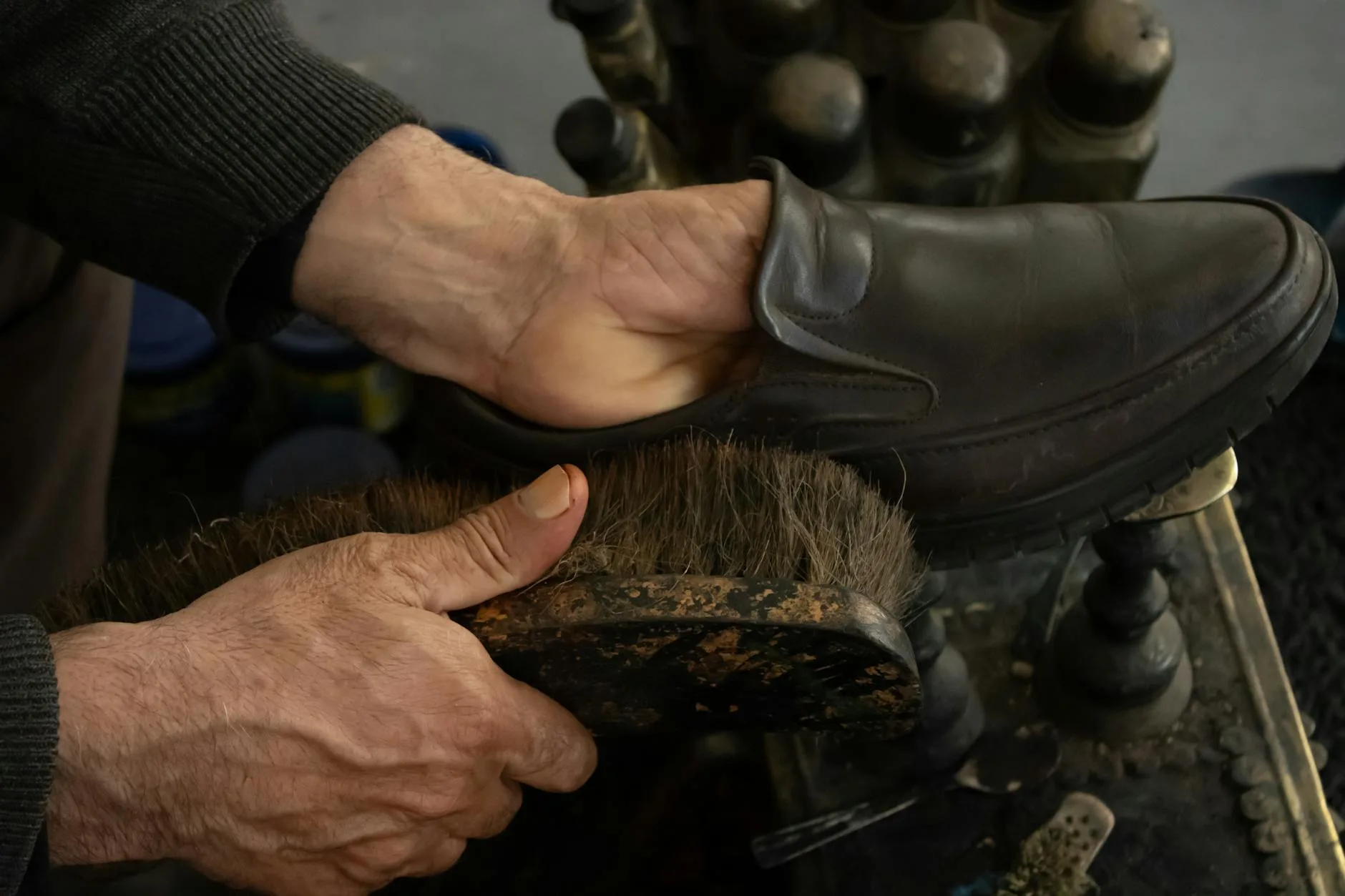
- Brush the sole thoroughly — a stiff brush in every groove, channel, and tread pattern. Run under lukewarm water to flush embedded sand
- Clean the upper — dampen a soft brush or cloth with warm soapy water, scrub in gentle circular motions. Pay attention to the toe box (scuffing), the sides (court wall contact), and mesh areas (sweat salt buildup)
- Rinse — wipe with a clean damp cloth to remove soap residue. Don’t submerge the shoe completely
- Dry properly — see the drying section below
Monthly Sole Treatment (5 Minutes)
Over time, sole rubber hardens and loses grip. A monthly treatment can help:
- Clean the sole as above
- Scrub the rubber with a slightly more abrasive brush (an old nylon bristle brush works well)
- This removes the oxidised surface layer and exposes fresh rubber underneath
- Dry thoroughly before next use
Cleaning Different Sole Types
Herringbone Sole
The most common padel sole pattern — zigzag grooves that grip artificial grass:
- Main issue: sand packs into the narrow zigzag channels
- Solution: use a pointed tool (old pen, cocktail stick) to clear individual channels, then brush and rinse
- Frequency: clear channels after every session; the herringbone pattern loses most of its grip when channels are blocked
- More detail: our padel shoe sole types guide explains how each pattern grips differently
Omni Sole
Small raised dots or nubs instead of grooves — designed for mixed surfaces:
- Main issue: the dots wear smooth faster, and cleaning between them is harder
- Solution: stiff brush in circular motions across the dot field, rinse to flush debris from between nubs
- Note: omni soles generally need less cleaning because they don’t have deep channels to fill with sand
Mixed Sole
Combination of herringbone in high-wear zones and omni in others:
- Clean each section according to its type — herringbone channels need individual clearing, omni sections just need brushing
- Pay extra attention to the transition zones where the two patterns meet — debris collects at these borders
Drying Your Shoes Properly
The Right Way
- Stuff loosely with newspaper or kitchen roll — this absorbs internal moisture and holds the shoe’s shape
- Replace the paper after 2-3 hours when it’s damp
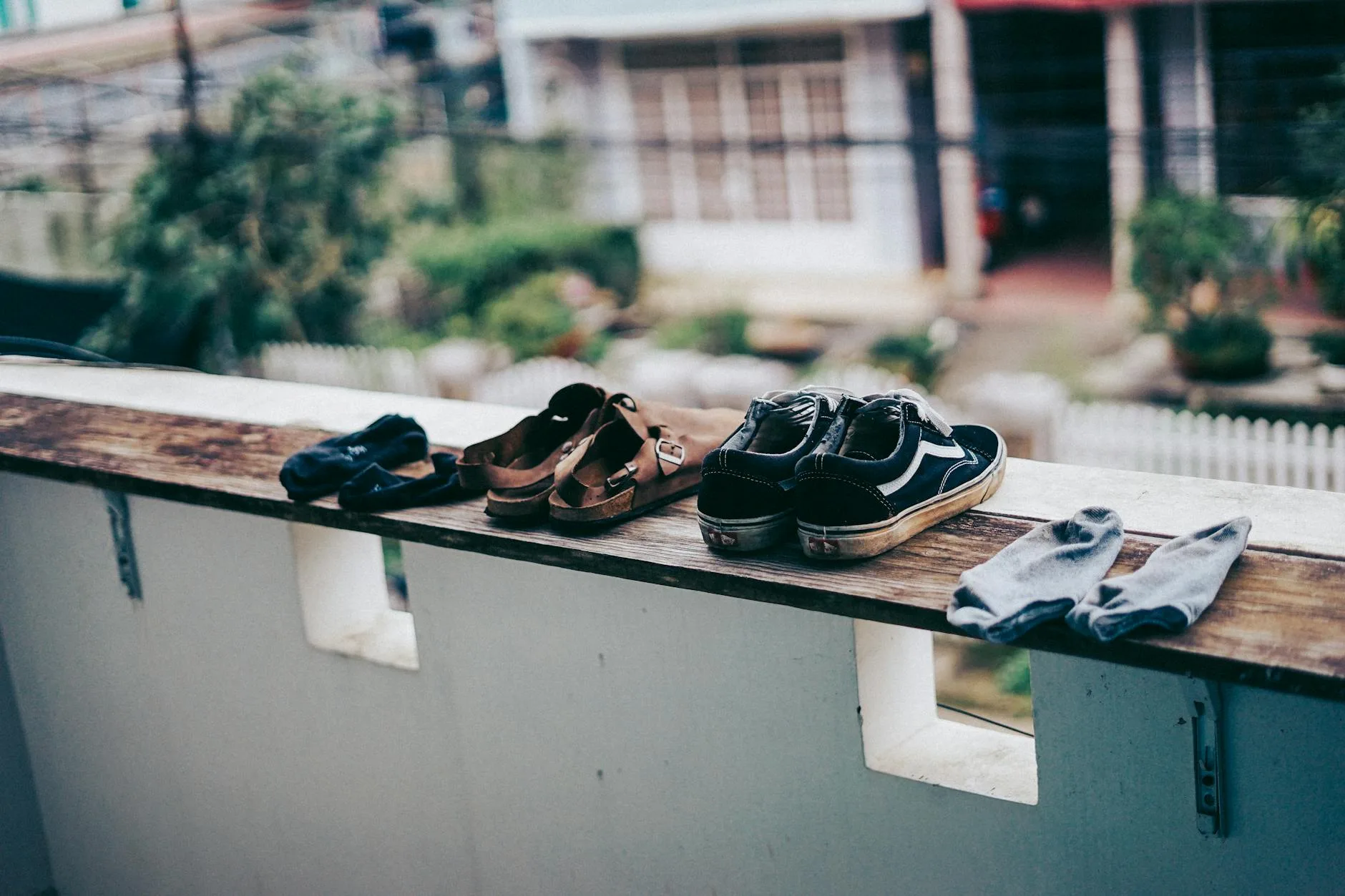
- Place in a well-ventilated area at room temperature — a shelf in the hallway, not a sealed cupboard
- Allow 24 hours minimum before wearing again (this is why serious padel players rotate two pairs)
What to Avoid
- Direct heat (radiators, heaters, hair dryers, tumble dryers) — heat above 40°C warps the midsole foam, deforms the shape, and melts adhesive bonds. This is the single fastest way to ruin padel shoes
- Direct sunlight — UV degrades synthetic upper materials and rubber compounds
- Sealed bags or boxes — trapped moisture breeds bacteria and prevents evaporation
- Leaving them in your car — cars reach 50-60°C in UK summer, which is enough to deform shoes
The Two-Pair Rotation
If you play 3+ times per week, owning two pairs of padel shoes and alternating them gives each pair 48+ hours to fully dry between sessions. This alone can double the lifespan of both pairs. It costs more upfront but saves money per session long-term. If you’re choosing a second pair, our padel shoe buying guide helps you pick a complementary option.
Removing Odours
Prevention
- Dry shoes fully after every session (the number one preventive)
- Remove insoles to dry separately
- Use moisture-wicking socks (synthetic or merino wool, not cotton)
- Sprinkle baking soda inside after each session — leave overnight, tap out before next use
Treatment for Existing Odour
If your shoes already smell:
- Baking soda soak — fill each shoe with 2-3 tablespoons of baking soda, leave 24-48 hours, tap out and brush residue
- White vinegar wipe — dampen a cloth with white vinegar, wipe the entire interior, then dry thoroughly. Vinegar kills odour-causing bacteria
- Freeze them — seriously. Place shoes in a plastic bag and freeze overnight. The cold kills most odour-causing bacteria. Thaw and dry before wearing
- Activated charcoal inserts — shoe deodoriser bags with activated charcoal (about £5-8 for a pair from Amazon UK) absorb odours between sessions
- Replace insoles — if the odour persists after all the above, the insoles are saturated. Replacement insoles cost £8-15 and make an old shoe feel fresh
The Nuclear Option
If nothing works, the bacteria have colonised the shoe’s foam lining. At this point, the shoe is functionally hygiene-compromised — consider replacing it. Prevention (regular drying, baking soda) is far cheaper than replacing shoes because of odour.
How Often to Clean
After Every Session
- Knock soles together, brush loose debris
- Remove insoles and loosen laces
- Air in a ventilated area
- Time: 2 minutes
Weekly (If Playing 2-3× Per Week)
- Full deep clean: laces, insoles, sole, upper
- Baking soda deodorising treatment
- Time: 10 minutes
Monthly
- Sole rubber refresh (abrasive brush scrub)
- Check for wear, loose stitching, sole delamination
- Time: 5 minutes
Per Session Total
If you factor in the 2-minute post-session clean into your routine, you’re spending about 20 minutes per month on shoe maintenance for 2-3 sessions per week. That 20 minutes extends shoe life by 40-60% — easily the best time investment in your padel equipment. For a related angle, see our Wilson vs Nox vs Adidas: Budget Padel Rackets Compared guide.
Extending Shoe Lifespan
Use Padel Shoes Only for Padel
Wearing your padel shoes as everyday trainers, to the gym, or for running wears the sole tread on surfaces it wasn’t designed for. Keep them exclusively for court use. The herringbone pattern is specifically engineered for artificial grass — concrete and tarmac destroy it fast.
Store Properly
- In a ventilated area at room temperature
- Not compressed under other gear in a bag
- Stuffed with paper if stored for more than a week
- Away from direct sunlight and heat sources
Rotate Pairs
As mentioned: two pairs alternated gives each 48+ hours to dry and recover shape between sessions. The foam midsole compresses during play and needs time to expand back — wearing the same pair daily accelerates permanent compression (that “flat” feeling).
Check Grip Regularly
Run your thumb across the sole tread. If the pattern feels smooth or the channel edges have rounded off, grip is diminishing. On outdoor artificial grass, a worn sole can be risky because one unexpected slide into a wall at speed can cause injury. If you are comparing your current shoes against alternatives, our padel shoe brand comparison covers durability across the major brands.
When to Replace Your Padel Shoes
Sole Tread Worn Smooth
The most obvious sign. When the herringbone or omni pattern is no longer visible or the channels are worn flat, the shoe has lost its primary function — grip. No amount of cleaning recovers worn rubber.
Midsole Compression
Press your thumb into the midsole (the foam between the insole and the outsole). If it doesn’t spring back, the cushioning is dead. Flat midsoles increase joint impact forces and reduce comfort. Our Best Padel Overgrips 2026 UK: Tacky & Dry Options guide is useful alongside this.
Upper Separation
If the upper mesh is pulling away from the sole at any point, the structural integrity is compromised. This typically starts at the toe box from drag during serves and volleys.
Persistent Odour Despite Cleaning
If the shoe smells bad within hours of a thorough clean, bacteria have colonised the internal foam. It’s time.
The Rule of Thumb
For players who train 2-3 times per week: expect 6-9 months from a well-maintained shoe, 3-5 months from one that’s never cleaned. Professional or daily players may go through shoes every 2-3 months regardless of maintenance.
Frequently Asked Questions
Can I put padel shoes in the washing machine? No. Machine washing damages sole adhesives, deforms midsole foam, and reduces structural support. The heat and tumbling action accelerate wear faster than months of court use. Hand wash with lukewarm water and mild soap instead — it takes 10 minutes and preserves the shoe properly.
How do I clean white padel shoes without discolouring them? Use a paste of baking soda and water applied with a soft toothbrush. Scrub gently, leave for 15 minutes, then wipe clean with a damp cloth. For stubborn marks, a melamine sponge (Magic Eraser) works on rubber and synthetic surfaces. Avoid bleach — it yellows white synthetic materials over time.
Why do my padel shoes lose grip so quickly? The most common cause is sand packed into sole tread channels. Clearing the channels after every session with a stiff brush restores most of the original grip. If the sole rubber itself is smooth (no channel edges visible), the shoe is worn out and needs replacing. Playing on wet outdoor courts also accelerates tread wear.
Should I clean padel shoes differently for indoor vs outdoor courts? Indoor courts (with non-marking sole requirements) need special attention — any transferred outdoor sand can scratch indoor surfaces and mark the floor. Always brush soles thoroughly before stepping onto an indoor court. The LTA padel playing guidance recommends separate shoes for indoor and outdoor play.
How can I make my padel shoes last longer? Five things: clean after every session (2 minutes), dry fully between sessions, rotate two pairs, use exclusively on padel courts, and store properly (ventilated, stuffed, away from heat). This combination typically extends shoe life from 4-5 months to 8-10 months for regular players.