Most padel rackets do not die in one dramatic crack. They usually fade: the sweet spot gets smaller, the face feels dull, the ball stops leaving cleanly, and you start blaming your timing when the racket is doing part of the damage. If you are wondering when to replace your padel racket, the useful answer is not a neat calendar date; it is a mix of playing hours, impact damage, frame condition and whether the racket still gives you predictable control.
In This Article
- When to Replace Your Padel Racket: The Short Answer
- Performance Signs Your Racket Is Fading
- Damage That Means Replace, Not Repair
- How Long a Padel Racket Usually Lasts
- Repair, Refresh or Replace?
- What to Buy Next
- How to Make Your Next Racket Last Longer
- Frequently Asked Questions
When to Replace Your Padel Racket: The Short Answer
Replace your padel racket when it stops behaving consistently. A scuffed frame is normal. A tired sweet spot, soft or rattly face, growing crack, loose internal sound or repeated mishits from balls you normally control is not.
For most UK club players, that means:
- Occasional play, once a week: roughly 18-30 months from a decent £80-£150 racket.
- Regular play, two to three times a week: roughly 9-18 months, especially with glass-wall contacts and winter damp.
- Competitive play or heavy hitting: roughly 6-12 months if you use a carbon-faced power racket and train hard.
- Beginner hire-style rackets: often 6-12 months before they feel dead, even if the frame still looks fine.
Those are working ranges, not rules. I would rather play an older racket that still feels predictable than replace it just because a new colourway has landed at Decathlon. But once a racket starts costing you control on volleys, lobs and off-centre blocks, keeping it becomes false economy.
The easiest test is to borrow a similar racket for ten minutes. If your timing, depth and comfort suddenly improve without changing anything else, your current racket is probably past its best.
Performance Signs Your Racket Is Fading
The first warning signs are usually feel-based rather than visible. That is annoying, because it makes you question your own game first. Still, the same few patterns come up again and again.
The Sweet Spot Feels Smaller
A healthy padel racket gives you a clear sweet spot. You still feel off-centre hits, but the response is stable enough to block, volley and reset under pressure.
When the core starts to fatigue, the sweet spot feels less forgiving. Balls that used to come off cleanly now float short, twist the face or come out with a dull thud. You may notice it most on:
- Defensive blocks: the racket absorbs too much pace and the ball drops into the net.
- Low volleys: the face feels less stable when you catch the ball near the edge.
- Overhead control shots: bandejas and viboras lose bite, even with the same swing.
- Lobs under pressure: the ball lacks height or depth unless you overhit.
If you are still choosing the right shape and weight for your game, our guide to round, diamond and teardrop padel racket shapes explains why some rackets feel more forgiving than others before wear is even involved.
The Face Sounds Different
Padel rackets are not silent, but they should sound consistent. A tired racket can start to sound flatter, buzzier or hollow in one part of the face.
Do a simple tap test. Tap around the face with your knuckle, then compare the centre with each side. You are listening for one area that sounds duller, looser or more rattly than the rest. It is not laboratory science, but it catches obvious delamination and core fatigue.
The official LTA padel rules describe the racket as a solid perforated racket rather than a strung frame, which matters here because you cannot simply restring your way back to life as you might with tennis. If the face or core has gone, the main playing surface has gone with it.
Your Arm Starts Feeling More Shock
A racket that has lost its original damping can feel harsh. That does not always mean it is broken, but it is a warning if your elbow, wrist or shoulder starts noticing shots that previously felt fine.
This shows up most with stiff carbon rackets. A £180-£250 carbon power racket can feel crisp when new and unpleasant when the face starts losing integrity. Softer fibreglass rackets usually fade in a mushier way: less harsh, but less precise.
If you are unsure whether the material is part of the problem, carbon vs fibreglass padel rackets covers the feel trade-off in more detail.
Damage That Means Replace, Not Repair
Some marks are cosmetic. Others are the racket politely telling you it has had enough.
Cosmetic Wear You Can Ignore
You do not need a new racket because the frame has court rash. Padel is played near glass, mesh and the floor, so edge scuffs happen. Paint chips around the rim are normal too, especially if you play outdoors or lend your racket to a friend who treats the side wall as a suggestion.
Ignore:
- Small paint chips: ugly, but usually harmless.
- Light surface scratches: common on both carbon and fibreglass faces.
- Grip wear: fixable with a £5-£9 overgrip.
- Protector tape lifting: replace the protector before judging the frame.
A racket protector costs about £6-£15 from Decathlon, Amazon UK or Padel Shack. It is worth fitting if you play close to the glass or scrape the frame on low pickups. Our guide on how to protect your padel racket covers the simple version: protector tape, sensible bag storage and not leaving it in a hot car.
Cracks That Are a Problem
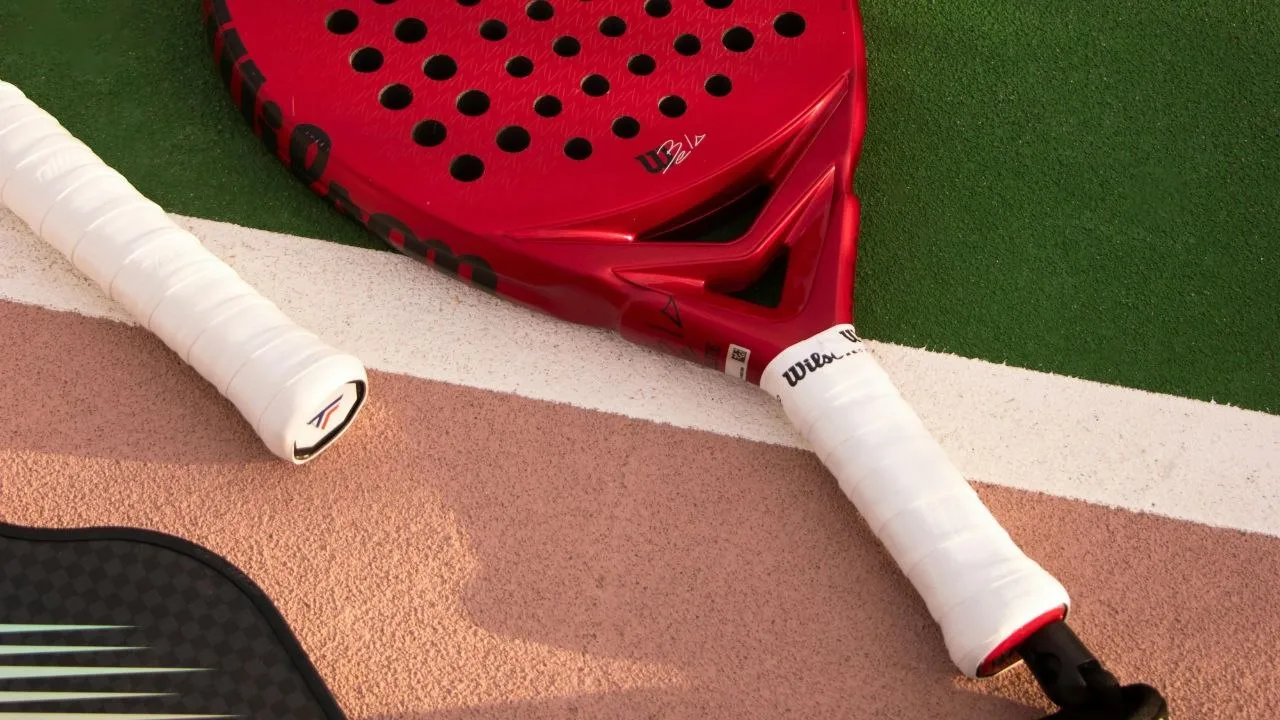
Replace the racket if a crack runs through the face, spreads from a hole, or crosses the bridge between face and handle. Hairline paint cracks can be harmless, but structural cracks usually grow.
The risky ones are:
- Cracks around drilled holes: these weaken the face and can spread quickly.
- Cracks near the throat: the racket can start flexing unpredictably.
- Raised or separated face layers: a sign of delamination rather than a paint issue.
- Frame splits after wall contact: even if the racket still plays, the next impact may finish it.
Once the face has delaminated, I would not keep playing competitive matches with it. You might get a few casual sessions out of it, but the response becomes random. Random is the enemy in padel.
Internal Rattles
A small rattle inside the racket usually means a piece of foam, resin or internal material has broken loose. Sometimes it is harmless. Sometimes it appears just before the racket loses feel completely.
Hold the racket by the grip and gently rotate it. If something moves inside, then hit a few controlled volleys and lobs. If the sound is new and the racket still plays normally, you can monitor it. If the rattle comes with vibration, dead spots or a loose-feeling face, replace it.
Do not drill, shake or try to open the racket. You will not improve it. You will just turn a tired racket into a broken one with commitment.
How Long a Padel Racket Usually Lasts
Racket life depends less on age and more on impact cycles. Two players can buy the same racket in January and have completely different outcomes by summer.
Playing Frequency
Here is a realistic UK club-player guide:
- Monthly player: a good racket may last several years because it simply is not being hit much.
- Weekly player: expect one to two years from a mid-range model if you protect it.
- Twice-weekly player: 9-18 months is more realistic.
- Three-plus times a week: budget for replacement roughly once a year.
- Match player with hard overheads: 6-12 months is not unusual for stiffer performance rackets.
Beginners sometimes get longer out of a racket because they hit with less pace. Then the opposite happens: once the game clicks, they play more, hit harder, scrape the glass more often and outgrow the racket faster.
Outdoor Conditions
UK weather is not kind to sports kit. Cold courts make some rackets feel stiffer. Damp conditions can affect grips and bags. Heat is worse: leaving a racket in a car boot on a warm day can soften adhesives and stress the face.
The International Padel Federation publishes official rules and equipment documents, including racket dimensions, but everyday racket life is more about treatment than legality. A racket can remain legal long after it stops being pleasant to use.
Store it indoors, not in a shed, garage or car boot. If your racket bag has a thermal compartment, use it. If it does not, a basic padded padel bag costs about £25-£45 from Decathlon, Sports Direct or Amazon UK and is still better than leaving the racket loose in the boot with shoes and water bottles.
Racket Type and Build
Budget rackets under £50 tend to use softer, cheaper materials and can feel tired sooner. That does not make them bad; a £24.99 Kuikma starter racket from Decathlon is fine for casual first sessions. It just is not built to feel sharp for two years of club matches.
Mid-range rackets around £80-£150 are the sweet spot for most improving players. Examples include Decathlon Kuikma models, entry Head or Nox rackets from UK specialists, and discounted previous-season Babolat or Bullpadel options. Spend here if you play regularly but are not chasing maximum power.
Premium rackets around £180-£280 can last well, but they are not automatically longer-lived. Stiffer carbon faces can be more sensitive to hard impacts, especially if you catch the glass or frame a lot of balls. You are paying for performance feel, materials and precision, not a magic indestructible shell.
Repair, Refresh or Replace?
Before buying a new racket, separate cheap maintenance from real replacement. Plenty of rackets feel awful simply because the grip is worn and slippery.
Refresh It First
Try these before assuming the racket is finished:
- Replace the overgrip: £5-£9 for a pack of three from Decathlon, Amazon UK or Padel Shack.
- Check the undergrip: if it has compressed badly, a replacement grip is about £8-£15.
- Add or replace frame protector tape: about £6-£15.
- Clean the face: wipe dust and sweat off with a damp microfibre cloth, then dry it properly.
- Check your balls: dead balls make a good racket feel dead too.
If the racket feels better after a grip change and fresh balls, keep it. A slippery grip makes players squeeze harder, which ruins touch and can make the racket feel harsher than it is. For the grip side specifically, padel grips explained walks through overgrips, replacement grips and when each one makes sense.
When Repair Is Not Worth It
Padel racket repair is limited. You can tidy a chip, reapply protector tape and replace grips. You cannot properly repair a collapsed core, cracked face or delaminated hitting surface in a way that restores factory feel.
Some shops may offer cosmetic fixes, but I would not spend £30-£50 trying to rescue a £90 racket with structural damage. Put that money towards the replacement. If it is a £250 racket and the damage is minor, ask the retailer or manufacturer first, especially if it is still within warranty. Do not expect impact damage from wall contact to be covered.
Keep It as a Spare
A fading racket can still be useful. Keep it as a loaner, wet-weather spare or practice racket if it is safe and not cracked through. It is handy when a friend wants to try padel or when you do not want to risk your main racket in poor outdoor conditions.
Just do not keep using it as your match racket out of stubbornness. If you are double-faulting, mishitting volleys and losing confidence because the response is inconsistent, the saving is not worth it.
What to Buy Next
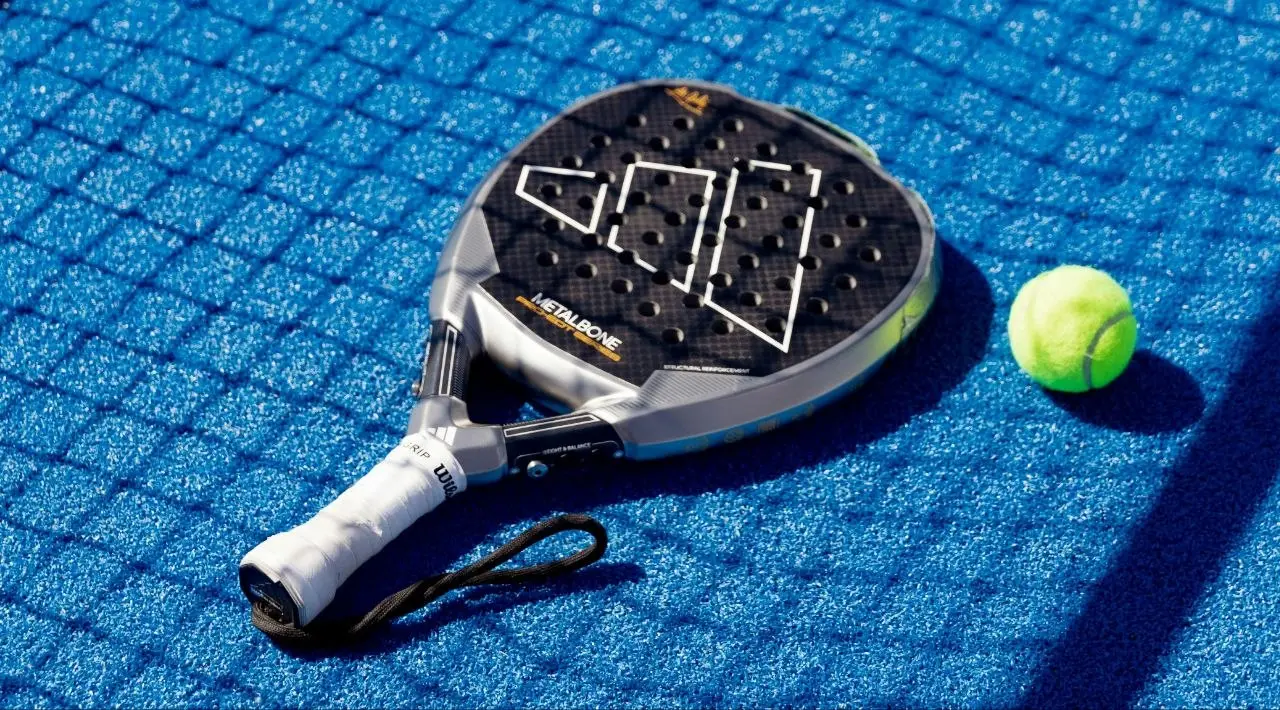
Do not replace like-for-like automatically. Use the failure as feedback.
If the Racket Broke Quickly
If your racket cracked within a few months, ask why. Did it hit the glass? Was it left in a hot car? Did you buy a very stiff model while still framing lots of shots? A power racket can punish imperfect contact.
For many improving players, the better next buy is a slightly softer teardrop or round racket around £90-£150, not a harder diamond racket at £250. You will probably win more points with reliable depth and comfort than with one bigger smash per set.
Good UK price bands:
- Budget starter: £25-£60, such as entry Kuikma or marketplace Head/Nox models.
- Improver value: £80-£140, often the best place to shop at Decathlon, EverythingPadel or PadelHQ.
- Strong club player: £150-£220 for better carbon, balance and finish.
- Premium power: £220-£300 for flagship Bullpadel, Nox, Adidas, Head or Babolat models.
If your old racket felt too stiff, move softer. If it felt too head-heavy, drop weight or choose a rounder shape. If it twisted on volleys, look for a more stable frame rather than just a more expensive one.
Test Before Buying If You Can
The best replacement is the one you have hit with. Shops, clubs and coaches sometimes run demo programmes, and borrowing a team-mate’s racket for one set tells you more than twenty product descriptions.
When testing, pay attention to:
- First volley reaction: can you block pace without the face twisting?
- Defensive lobs: can you get depth without forcing the swing?
- Wrist comfort: does the racket feel harsh after ten minutes?
- Overhead control: can you play placement shots, not just chase power?
Our guide on how to test a padel racket before buying gives you a short court checklist. Use that before spending premium money.
Do Not Chase the Pro Model by Default
Professional player rackets are tempting, but many are too stiff, too head-heavy or too demanding for regular club players. A £260 diamond racket can make your game worse if you are still learning to control the glass, defend at the back and volley consistently.
My usual advice: if you are replacing a racket because it felt dead or harsh, do not jump to something even stiffer. If you are replacing because you have outgrown a soft beginner racket, move one step up, not three.
How to Make Your Next Racket Last Longer
Racket lifespan is partly build quality, partly behaviour. The boring habits make a real difference.
Protect the Frame
Fit protector tape from day one. It adds a little weight at the top of the racket, so choose a thin protector if you are sensitive to balance, but it saves the rim from repeated scrapes.
Avoid using the racket to scoop balls off abrasive court surfaces. Everyone does it occasionally. Doing it every point slowly sands the edge.
Store It Properly
Keep the racket at normal indoor temperature. Do not leave it:
- In a hot car: heat can stress adhesives and foam.
- In a damp shed: moisture is bad for grips, bags and long-term condition.
- Loose with shoes: studs, zips and bottles scratch the face and frame.
- Pressed under heavy kit: repeated pressure is not helpful for the face.
A simple racket sleeve is enough for occasional players. A thermal padel bag makes sense if you play outside year-round or carry multiple rackets.
Stop Playing With Dead Balls
Dead balls make you swing harder and mistime more shots. That adds stress to your arm and racket. A tube of decent padel balls is usually £5-£8, and replacing them regularly is cheaper than blaming your racket every session.
If you are not sure whether ball pressure is part of the problem, read padel ball pressure and bounce. It is one of those small kit details that changes how the whole game feels.
Frequently Asked Questions
How do I know when to replace my padel racket? Replace it when the sweet spot feels smaller, the face sounds dull or rattly, cracks spread through the face, or your shots become unpredictable despite normal timing. Cosmetic scuffs alone are not enough reason.
How long should a padel racket last? Occasional players may get two years or more from a decent racket. Regular club players usually get 9-18 months. Heavy players, competitive players and hard hitters may replace rackets every 6-12 months.
Can a cracked padel racket be repaired? Minor paint chips and protector damage can be tidied, but structural cracks, face delamination and core failure are not worth repairing for most players. A repaired racket rarely regains its original feel.
Is it bad to keep using an old padel racket? It is fine if the racket is safe and still predictable. It becomes a problem if it causes extra vibration, loses control, has structural cracks or makes you compensate with poor technique.
Should I replace my grip before buying a new racket? Yes. A fresh overgrip costs about £5-£9 for a three-pack and can make a tired-feeling racket much easier to control. If the racket still feels dead after a grip change and fresh balls, replacement is more likely.
How much should I spend on a replacement padel racket? Most regular UK club players are best served around £80-£150. Beginners can start under £60, while strong competitive players may justify £180-£280 if they know the shape, weight and feel they want.
Bottom line: Replace your padel racket when it stops giving you a predictable response, not when it gets its first scratch. Scuffs, grip wear and loose protector tape are normal maintenance. A shrinking sweet spot, structural crack, harsh vibration, internal rattle with performance loss or dead-feeling face is different.
For most UK club players, a sensible replacement budget is £80-£150, with overgrips, protector tape and a padded bag adding another £20-£60 if you need them. Buy the racket that solves the problem your old one revealed. More control, less harshness and better forgiveness will usually help more than chasing the stiffest pro model on the wall.