You’ve just started playing padel, you’ve got a racket and shoes, and now you’re wondering what else you need without blowing another £100 on accessories you might not use. The answer is: surprisingly little — but the few things worth buying make a genuine difference to comfort, grip, and how long your equipment lasts.
Everything on this list costs under £20. Some items cost under £5. None of them are gimmicks, and all of them earn their place in a padel bag through practical use rather than looking good in a shop. Here’s what’s worth your money.
In This Article
- Overgrips: The Single Best Upgrade
- Padel Balls: Don’t Use Tennis Balls
- Wristbands and Headbands
- Racket Protector Tape
- Grip Dampener
- Sweat Towel
- Ball Clip
- Padel Socks
- What You Don’t Need Yet
- Frequently Asked Questions
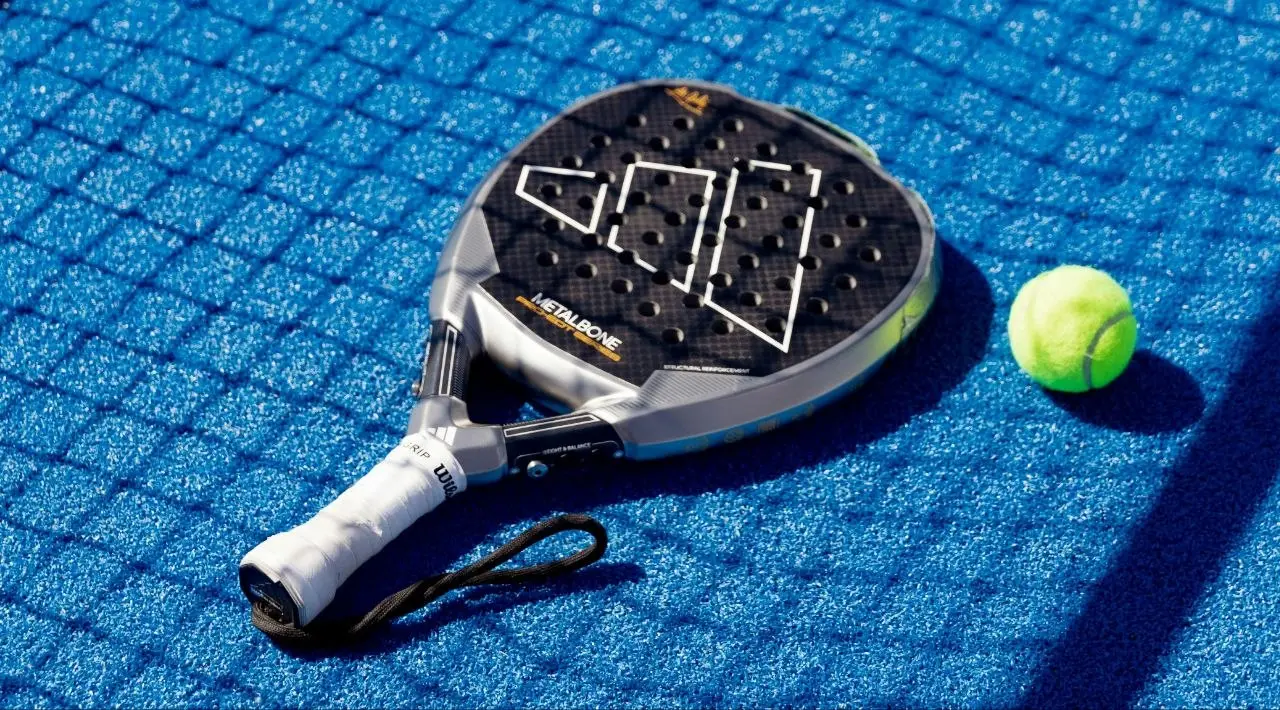
Overgrips: The Single Best Upgrade
Why They Matter
The factory grip on your racket deteriorates within 5–10 sessions. It gets slippery, loses its cushion, and absorbs sweat until it feels like you’re holding a wet sponge. An overgrip wraps over the existing grip, providing a fresh, tacky surface that you replace every 3–5 sessions.
At £3–5 for a pack of 3, overgrips are the cheapest performance upgrade in padel. A secure grip means better racket control, more confident swings, and less risk of the racket slipping during an aggressive smash. Our overgrip guide covers the full range, but for budget purposes, you can’t go wrong with a basic tacky overgrip from Wilson, Bullpadel, or Head.
What to Buy
- Wilson Pro Overgrip (3-pack): about £5. The most popular overgrip in racket sports for a reason — consistent tackiness, thin enough to not bulk up the handle, and widely available
- Bullpadel Comfort Overgrip (3-pack): about £4. Slightly thicker with more cushion. Good for players who find thin grips uncomfortable during long sessions
- Budget pick: any branded padel/tennis overgrip in the £3–5 range works. Avoid unbranded packs from marketplace sellers — the adhesive backing often fails mid-match
For application technique, follow our step-by-step guide. Understanding the difference between overgrips and replacement grips helps you decide which approach suits your playing style.
Padel Balls: Don’t Use Tennis Balls
The Difference
Padel balls look like tennis balls but they’re not interchangeable. Padel balls have lower internal pressure, which makes them bounce lower and slower — essential for a sport played in a smaller enclosed court with glass walls. Tennis balls bounce too high and too fast on a padel court, making rallies shorter and less enjoyable.
Most clubs provide balls, but if you’re booking courts that don’t, or practising with friends, a tube of proper padel balls is essential.
What to Buy
- Head Padel Pro (3-ball tube): about £5–6. The most widely used padel ball in UK clubs and tournaments. Consistent bounce, good durability across 2–3 sessions
- Wilson Padel Rush (3-ball tube): about £5. Slightly softer feel than the Head. Good for beginners who want a marginally slower ball
- Bulk option: 24-ball boxes (8 tubes) from Head or Bullpadel run about £30–35, bringing the per-tube cost under £5. Worth it if you play weekly
Our padel ball guide goes deeper into pressurised vs depressurised options and tournament specifications.
Wristbands and Headbands
Why Bother
Padel is played indoors or in enclosed courts that trap heat. Even in the UK, a competitive match generates enough sweat to affect grip. A wristband on your playing hand catches sweat before it runs down your forearm to the grip. A headband keeps sweat out of your eyes during rallies.
Neither is essential for casual play. Both become valuable during competitive matches or in warm conditions. At £3–8, they’re cheap insurance against a sweaty grip slip at match point.
What to Buy
- Nike Swoosh wristbands (pair): about £6–8. Thick, absorbent, and the most common choice. One for the playing hand, one for the non-playing hand if you want symmetry
- Bullpadel wristbands (pair): about £5–7. Padel-specific branding. Functionally identical to any quality cotton wristband
- Budget headband: any absorbent sports headband works. £3–5 from Decathlon or Amazon UK
See our full wristband and headband guide for more options.
Racket Protector Tape
What It Does
A strip of adhesive tape applied around the top edge (frame) of your racket. Padel rackets take regular impacts against the court surface, walls, and fence during play — especially from beginners who are still calibrating their swing. Protector tape absorbs these impacts instead of the racket frame, preventing chips and cracks that weaken the structure.
At £3–8 for a roll that covers 2–4 rackets, it’s the cheapest way to extend the life of a racket that cost 10–20 times more. Our racket protector guide covers the different types and application methods.
What to Buy
- Head Padel Protection Tape: about £5. Clear or black, easy to apply, and widely available. The standard choice
- Bullpadel Frame Protector: about £6. Slightly thicker, offers more impact protection. Adds minimal weight
- Any branded protector tape in the £3–8 range works. The key is that it adheres well and doesn’t peel during play
When to Apply
Apply protector tape to new rackets before their first use. Replacing tape on a racket that’s already chipped is less effective — the tape covers the damage but doesn’t restore structural integrity. Think of it as prevention rather than repair.
Grip Dampener
What It Does
A small rubber or silicone insert that sits in the strings — except padel rackets don’t have strings. In padel, dampeners attach to the racket face or frame to reduce vibration transmitted to your hand and arm during impact. They’re more about comfort than performance.
Do You Need One?
Most padel players don’t use dampeners. The foam and rubber construction of padel rackets already absorbs more vibration than a strung tennis racket. But if you’re experiencing wrist or elbow discomfort after playing, a dampener (£3–6) is worth trying before blaming the racket.
What to Buy
- Any padel-specific vibration dampener: £3–6. Bullpadel and Head both make options that attach to the frame
- Skip it if you’re not experiencing discomfort. Put that £5 toward overgrips instead
Sweat Towel
Why It Belongs in Your Bag
A small sports towel for wiping hands, face, and racket grip between games. It sounds trivial until you’re 4 games into a match and your hands are slippery. A quick wipe between points keeps your grip dry and your overgrip lasting longer. For independent guidance, check LTA padel guidance.
What to Buy
- Any microfibre sports towel: £3–8. Small enough to tuck into your bag or hang on the fence during play
- Padel-branded towels exist but cost 2–3 times more for identical functionality. A generic microfibre towel from Decathlon does the same job
Ball Clip
What It Does
A plastic clip that attaches to your waistband or shorts and holds one padel ball. When you’re serving, the second ball needs to go somewhere — your pocket (bounces around), the floor (someone trips), or a ball clip (stays put, easy to reach).
What to Buy
- Any padel/tennis ball clip: £3–5. The most practical are the simple clip-on designs that hold a single ball against your hip
- Alternative: shorts or skirts with a dedicated ball pocket eliminate the need entirely. But for standard sports clothing, a clip is more convenient
Padel Socks
Why Dedicated Sports Socks Matter
Cotton socks absorb sweat, bunch up, and cause blisters during lateral movement — and padel involves a lot of lateral movement. Sports-specific socks use moisture-wicking fabric, reinforced heels and toes, and cushioned soles that reduce impact. The difference during a 90-minute match is noticeable.
You don’t need padel-branded socks specifically — any quality sports sock designed for lateral movement (tennis, squash, badminton) works. What matters is the construction, not the branding. Our padel sock guide covers what to look for.
What to Buy
- Decathlon Artengo RS 560 (3-pack): about £8. Mid-calf, cushioned sole, reinforced toe. The budget standard for racket sports
- Nike Everyday Cushioned (3-pack): about £12–15. Slightly above budget but the cushioning and durability justify it for regular players
- Budget pick: any moisture-wicking sports sock in the £5–10 range for a multi-pack. Avoid pure cotton
What You Don’t Need Yet
Expensive Racket Bag
A basic backpack or sports bag carries your racket and accessories fine for casual play. A dedicated padel bag (£30–80) makes sense once you’re playing 2–3 times a week and carrying multiple rackets, shoes, and clothing. For beginners, a bag you already own works.
Padel-Specific Clothing
Regular sports clothing — breathable shorts or leggings, a moisture-wicking top — is perfectly adequate. Padel-specific clothing exists but offers no functional advantage over general sportswear. Your shoes matter far more than your shirt.
A Second Racket
Some players carry a backup racket, which makes sense for competitive players or those who travel to play and can’t risk a single-racket failure. For beginners and casual players, one racket is sufficient. When your first racket does eventually crack or wear out, that’s when to think about your next racket upgrade — and whether a different shape or material suits your developing style.
Vibration Dampeners
As mentioned above, padel rackets already absorb considerable vibration. Unless you’re experiencing specific joint discomfort, dampeners are unnecessary spending. If you do experience pain, see our guide to choosing a racket by weight and material — the racket itself may be the issue, not the lack of a dampener.
Court Booking Apps
Most UK padel courts use standard booking systems accessible through a web browser. Dedicated padel apps exist but add limited value beyond what the court’s own website provides. Save your phone storage.
Training Aids
Weighted rackets, target nets, and padel-specific training tools exist but are overkill for anyone still learning the basics. Regular play develops feel and technique faster than equipment. Spend your budget on court time and club sessions rather than gadgets.
Private Coaching (Not Yet)
Coaching is valuable — but spend your first 5–10 sessions learning through play with friends or club sessions. You’ll develop natural habits and identify specific weaknesses that a coach can then address. Coaching from day one often overwhelms beginners with technique before they’ve developed a feel for the basics of doubles play.
For the full picture of what belongs in your bag, check our accessories checklist.
Building Your Budget Kit Over Time
Month One (£15–20)
Start with the three items that make the biggest difference: overgrips (£5), a tube of padel balls (£5–6), and racket protector tape (£5). These cover grip security, proper play, and racket longevity. Everything else can wait until you know whether padel is becoming a regular part of your week.
Month Two (£10–15)
Add wristbands (£6–8) and sports socks (£8–10) if you don’t already have suitable ones. By now you’ll have played enough sessions to know whether you’re a heavy sweater (wristbands become essential) and whether your current socks are causing blisters during lateral movement.
Month Three (£5–10)
Replace your overgrips (you’ll be on your second or third set by now), pick up a ball clip if you’re playing more competitive matches, and add a microfibre towel to your bag. At this point you’ll have spent about £30–45 on accessories over three months — roughly the cost of two court bookings — and you’ll have everything a regular recreational player needs.
Ongoing Costs
Once you’re set up, the only recurring expense is overgrips (£4–5 per pack, every 2–4 weeks) and padel balls (£5–6 per tube, every 2–3 sessions if you’re supplying them). That’s about £10–15 per month for a player who plays twice a week. Everything else lasts months or years with basic care.
Compare that to the cost of the racket itself — even a budget racket under £100 represents months of accessory spending. Getting the most out of an affordable racket through good accessories and maintenance is smarter than buying a premium racket and neglecting the basics.
Frequently Asked Questions
What’s the single most important padel accessory under £20? Overgrips, without question. A fresh overgrip transforms racket control and costs £1–2 per grip. Everything else is secondary to having a secure, comfortable grip on your racket.
Can I use tennis accessories for padel? Some transfer directly: overgrips, wristbands, headbands, towels, and ball clips all work across both sports. Tennis balls do not work for padel — the bounce is wrong. Tennis shoes are a compromise — they work in a pinch but padel shoes offer better lateral support for the specific movement patterns.
How much should a beginner budget for padel accessories? About £20–30 covers the essentials: overgrips (£5), a tube of balls (£5–6), racket protector tape (£5), and a pair of wristbands (£6). Add £8–10 for decent sports socks if you don’t already have them. Total: roughly £30 for everything beyond racket and shoes.
How often should I replace overgrips? Every 3–5 playing sessions, or whenever the grip feels slippery. In warm conditions or if you sweat heavily, you may need to change more frequently. A pack of 3 at £4–5 lasts most players 2–4 weeks of regular play.
Are padel accessories good gifts for players? Yes — a bundle of overgrips, padel balls, protector tape, and a wristband makes a practical gift for about £20. It’s the kind of thing players always need but rarely buy for themselves in one go.