You’ve booked your first padel court for Saturday morning. A mate lent you a racket last week, you’ve watched two YouTube tutorials, and now the group chat is asking if you’re bringing balls. Also shoes? Do you need special shoes? What about a bag for the racket you don’t yet own? The sport is new enough in the UK that most of us are figuring this out in real time, and the gear guides online tend to be either shopping lists dressed up as advice or lists of 47 “must-haves” that read like someone emptied a sports shop shelf.
This padel accessories checklist is the version I wish I’d had when I started: what you actually need, what’s worth upgrading later, and what you can skip entirely without anyone at the club noticing.
In This Article
- The Accessories That Actually Matter
- Your Racket Bag: Start With the Right Carrier
- Grips: The Cheapest Upgrade That Changes How You Play
- Balls: Pressurised vs Training (And Why It Matters)
- Shoes: Not an Accessory, But Close
- Wristbands, Headbands and Sweat Management
- Socks: The Unsexy Essential
- Courtside Gear: Water, Towel, Snacks
- Protective Gear: Eyewear and Joint Support
- Recovery and Warm-Up Kit
- What You Don’t Need (Yet)
- A Ready-to-Buy Padel Accessories Checklist
- Frequently Asked Questions
The Accessories That Actually Matter
Before we get into specific products, a quick reality check. In six months of playing twice a week at clubs around Oxfordshire and west London, I’ve watched people turn up with wildly different kit. The best players in the session are rarely the ones with the most expensive gear. The worst players are often the ones drowning in accessories they don’t know how to use.
Your core padel accessories checklist breaks down into three tiers.
Tier 1: You Can’t Play Without These
- Racket (borrow or buy — not technically an accessory but the starting point)
- Padel balls (three per tube, one tube per session minimum)
- Non-marking court shoes (trainers are fine for your first session, proper shoes from week two)
- Something to carry it all in (a backpack is fine; a dedicated bag is better)
Tier 2: Buy These Within the First Month
- Overgrips (a pack of three for £8)
- Sports socks designed for lateral movement
- A water bottle (60-90 minute sessions are thirsty work)
- A small towel for the bench
Tier 3: Nice to Have, Worth Upgrading To
- Wristbands and a headband for sweat management
- Eye protection if you play a lot of net positions
- A proper padel bag once you own two or more rackets
- Recovery kit — massage ball, foam roller, compression sleeves
Everything beyond Tier 3 is either a gimmick or purely optional. I’ll call out the gimmicks as we go.
Your Racket Bag: Start With the Right Carrier
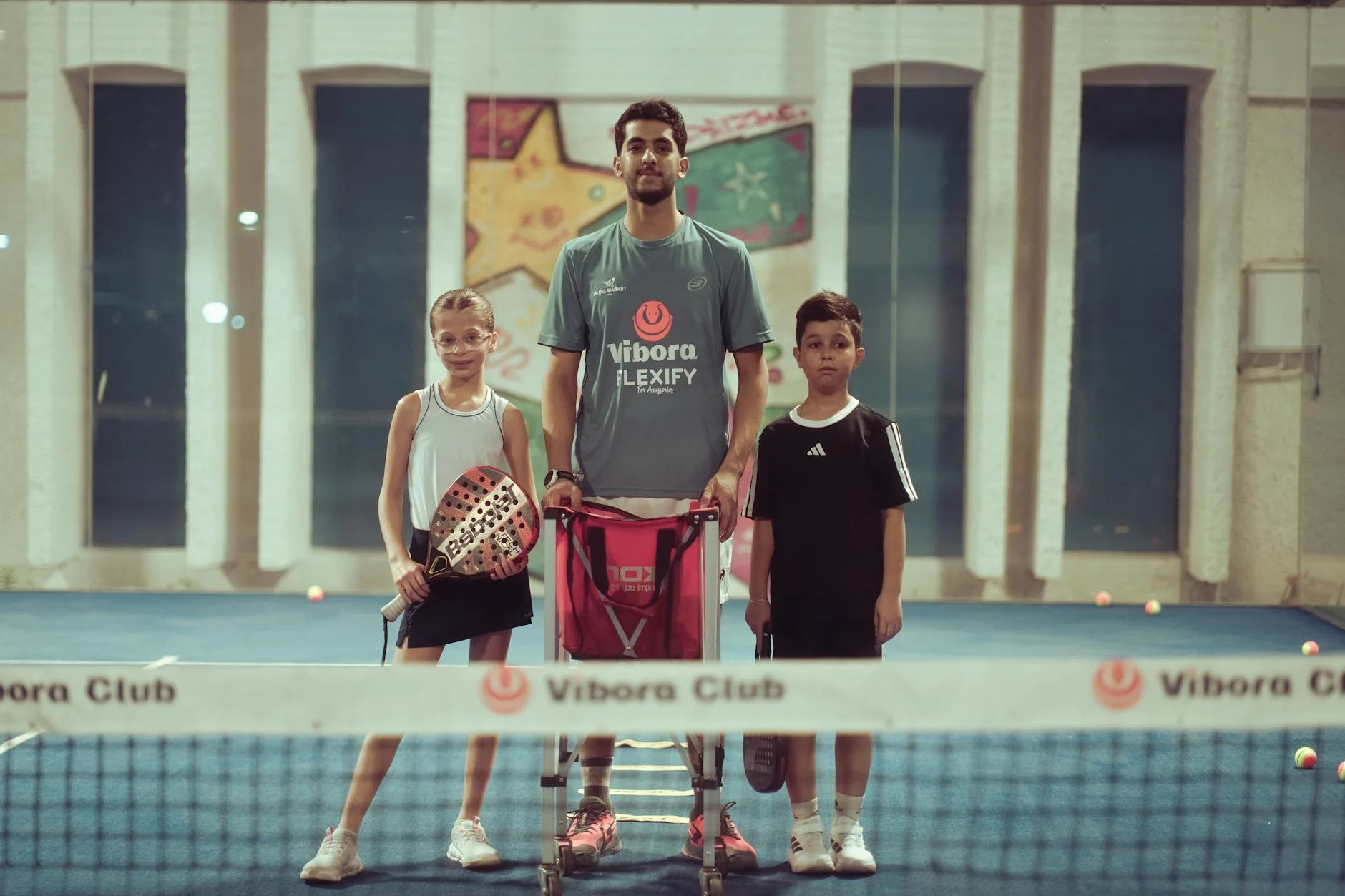
The first accessory most new players buy is a bag, and the first mistake most new players make is buying the wrong one. Padel bags come in three broad shapes and each solves a different problem.
Backpack-Style Padel Bags
These look like a standard gym rucksack but have a dedicated racket sleeve on the outside. Expect to pay £40-70 for something decent from Bullpadel, Head or Adidas on Sigma Sports or Amazon UK. They hold one or two rackets, shoes, a change of kit and a water bottle — which is all you need for 90% of UK sessions.
The backpack is where I’d start. It blends in at the gym, fits on the bus or a tube handrail, and doesn’t scream “I’ve just discovered a new sport.” My first was a Head Tour Backpack at around £55 and I still use it for club sessions two years in.
Racket Bags (Padel Bolsos)
These are the long, tubular bags you see pros carrying — three to six racket slots, a thermal compartment for balls, shoe storage and usually a separate dry/wet pocket. Prices run £60-130. They’re brilliant if you own multiple rackets or play tournaments, overkill if you own one racket and play twice a week.
Pro Bags / Tournament Bags
The biggest bags on the market. Six-plus racket slots, laptop sleeves, multiple zones. £120-200. Only needed if you’re actually travelling with kit — coaching, tournaments, hot-weather tours where you want thermal protection for balls.
For most readers, a backpack is the answer. If you want a deeper dive on what to look for by use case, our guide to the best padel bags in the UK compares backpacks against tournament bags in detail and walks through the decision tree by how often you play and how much kit you’re carrying.
Grips: The Cheapest Upgrade That Changes How You Play
If there’s a single accessory every padel player underrates, it’s grips. A £2.50 overgrip can change how a racket feels in your hand more than a £150 upgrade to a new frame. After six months of changing mine weekly, I’m firmly in the “fresh grip every three or four sessions” camp. Sticky grip, better feel, fewer mishits.
Overgrip vs Replacement Grip
There are two grips on your racket and they do different jobs.
- Replacement grip — the base layer, wrapped directly around the handle. Thicker, more cushioned, usually lasts six to twelve months.
- Overgrip — the thin layer on top, replaced frequently. Sticky, absorbent, cheap.
You almost never replace the base grip. You replace the overgrip constantly. Buy a pack of three Wilson Pro Overgrips for around £8 from Sports Direct or Amazon UK and keep one spare in your bag. When the current one starts feeling slick mid-game, swap it.
Grip Thickness and Your Hand Size
A thicker grip (two overgrips stacked) suits bigger hands and players who like a cushioned feel. A thinner grip (one overgrip only) gives you more racket feedback and works for smaller hands or anyone who wants to feel the ball bite. I moved from double to single over a winter and noticed better touch at the net within two weeks.
We cover the full mechanics in our padel grips explained guide — worth a read if you’ve never changed one before. The short version: apply from the handle end upward, keep the tape taut, and finish with the included tape or electrical tape to stop it unravelling.
Balls: Pressurised vs Training (And Why It Matters)
Padel balls look like tennis balls. They are not tennis balls. Use a tennis ball on a padel court and you’ll be playing a very frustrating game — higher bounce, too much pace, no compression off the walls.
Pressurised Tournament Balls
The standard padel ball, sold in pressurised tubes of three. Official brands include Head Pro S, Bullpadel Next Pro, Wilson Tour and Adidas Speed. Expect £4-6 a tube. Pressure lasts about a week after you open the tube, so once the lid’s off you’ve got five or six sessions before the ball feels dead. Buy them in packs of six or twelve from Sigma Sports or Amazon UK for better per-tube pricing. For a related angle, see our Best Budget Padel Accessories Under £20 guide.
Non-Pressurised “Training” Balls
A smaller category, designed for practice walls and beginner classes. They don’t go flat over time and tend to have a lower bounce, which is useful if you’re drilling alone against a wall at home. For actual matches, always use pressurised balls.
Check the International Tennis Federation’s padel reference if you want the official specifications — ball weight of 56-59.4g, diameter of 6.35-6.77cm, and a bounce of 135-145cm when dropped from 2.54m. Those numbers matter if you’re ever buying in bulk or ordering from outside the UK.
Storage and Court Etiquette
- Open a fresh tube for serious matches — flat balls ruin the feel
- Carry spare tubes in your bag, clearly labelled “new” and “used”
- If you’ve opened balls, finish the week with them before cracking a new tube
- Never leave balls in a hot car boot — pressure drops fast above 25°C
Shoes: Not an Accessory, But Close
Technically footwear isn’t an accessory — but it’s on every padel accessories checklist because so many beginners forget about it. Running trainers slip on a wet court. Indoor court shoes mark glass court surfaces. Padel shoes are specifically designed for the lateral push-off, stopping, and heel-to-toe movement the sport demands.
What Makes a Padel Shoe Different
- Herringbone or clay-pattern sole — grips the sand-filled artificial turf used on padel courts
- Lateral support around the midfoot for side-to-side shuffles
- Reinforced toe cap for players who drag their toe on forehand volleys
- Slightly softer cushioning than a tennis court shoe, since you’re on synthetic turf not hard court
Brands to look at in the UK: Asics Gel Padel, Head Sprint Pro, Wilson Rush Pro, Bullpadel Hack Knit. Prices £70-140. I’ve had the best luck with Asics — they last a full winter on indoor sand courts without the sole shredding, which can’t be said for every brand.
Indoor vs Outdoor Courts
Most UK padel courts are indoor with sand-filled turf, and the same shoe works on both indoor and most outdoor surfaces. Pure clay-court shoes can work but wear faster on sand. If you’re only playing one surface type, our how to choose padel shoes guide breaks down the sole differences in more detail.
Wristbands, Headbands and Sweat Management
Ninety minutes of padel in a heated indoor dome in February and you will sweat. A lot. Sweat management accessories are cheap, small, and make a surprising difference to both grip and sanity.
Wristbands
Towelling wristbands stop sweat running down your forearm onto your grip. Two on each wrist for most players. Nike, Head and Adidas all do perfectly good versions for £5-10 a pair. Change them every 12-18 months or when they stop absorbing.
Headbands and Caps
A towelling headband is cheaper (£4-8) and better at absorbing sweat than a cap, but caps offer more sun protection on outdoor courts. In the UK you’ll use a headband far more than a cap — our weather makes sun rare at best. I wore a cap for my first summer of padel and switched to a headband the moment I started playing indoors.
Antiperspirant Chalk or Grip Enhancers
A more niche accessory — tennis-style grip chalk or liquid chalk for the palm of your playing hand. Useful if your hands run exceptionally sweaty. Most players don’t need it. If you’re considering it, try swapping overgrips more often first.
Cheap, replaceable, done — no real need to overthink this one.
Socks: The Unsexy Essential
Cotton socks and padel do not get on. You’ll be sliding around inside the shoe, getting blisters on the ball of your foot, and the sock will be soaked halfway through session one. Our Best Padel Overgrips 2026 UK: Tacky & Dry Options guide is useful alongside this.
What to Look For
- Synthetic blend — merino wool, polyester or nylon mix. Avoid 100% cotton.
- Cushioned sole on the ball of the foot and heel for the impact of lunging and stopping
- Arch compression to keep the foot locked in place during lateral movement
- Mid-calf or crew length — ankle socks slip down inside a padel shoe
- Double-layer options like 1000 Mile anti-blister socks for players prone to friction blisters
I use 1000 Mile Ultimate Tactel socks for padel — about £10 a pair, double layer construction, zero blisters in 18 months. Stance Athletic and Thorlo Tennis are also excellent, £8-14 a pair.
How Many Pairs to Own
Four pairs minimum if you play twice a week. You want a clean, dry pair every session, and synthetic socks take a full day to dry properly between washes. Buy them in bulk on Amazon UK or Sports Direct — they last two seasons before the cushioning compresses.
Courtside Gear: Water, Towel, Snacks
Once you’re past the basics, the next layer of your padel accessories checklist is the small stuff that makes 90 minutes on court less miserable.
Water Bottle
A 750ml-1 litre insulated bottle is the right size. Chilly’s, Ion8 and Yeti all do good versions for £15-30. Keep it cold — you’ll drink faster than you expect, and lukewarm water on a winter court is a genuine punishment.
Sweat Towel
A small gym towel (roughly 30 x 90cm) lives on the bench between points. You’ll wipe your face, your arms, and often your grip mid-match. Microfibre works best — dries fast, fits in a bag pocket. Decathlon’s basic microfibre towel is £4 and perfectly good.
Snacks for Longer Sessions
If you’re playing back-to-back matches or a two-hour drill session, a banana and an electrolyte tablet make more difference than any expensive kit. I carry a couple of SIS or Precision Hydration electrolyte tablets in my bag. Mix into a fresh bottle of water on the bench if you start cramping. £0.50 per tablet, about ten times more useful than any fancy sports drink.
Protective Gear: Eyewear and Joint Support
Padel is a fast sport at the net. Balls travel at 40-70mph off the glass, and the distance from one player to another through a smash exchange is five or six metres. Eye and joint injuries are rare but not unheard of.
Padel Eyewear
Purpose-built padel eyewear has clear or lightly tinted polycarbonate lenses, wraparound frames, and anti-fog coating. Head and Bullpadel both make models around £30-60. You won’t see many club players wearing them, but if you’re playing a lot of net positions — especially as the player at the back of the court getting bombarded with smashes — they’re cheap insurance.
Knee and Ankle Support
For players returning from injury or with existing joint issues, a compression knee sleeve (Bauerfeind GenuTrain around £60, or basic McDavid sleeves from £15) can help stability during lateral movement. Don’t wear one preventatively if you don’t need it — your body will weaken the surrounding muscles.
The Lawn Tennis Association’s padel section has sensible injury-prevention guidance and information on LTA-approved padel clubs across the UK, worth bookmarking if you’re new to the sport.
Elbow Sleeves
Less useful than tennis elbow sleeves, because padel rackets are lighter than tennis rackets and the shock transfer is lower. If you develop elbow pain, the first fix is grip thickness and racket weight, not a sleeve. Sleeves treat the symptom.
Recovery and Warm-Up Kit
A mid-tier padel accessories checklist covers what you use before and after matches, not just during.
Warm-Up Essentials
- Resistance band — £6-10, used for activating glutes and rotator cuffs before you even pick up a racket. Massively underrated.
- Jump rope — two minutes of skipping gets the heart rate up and the calves switched on. £8 for something decent.
- Dynamic stretch routine — no kit needed but more useful than the ten minutes of static stretching most beginners default to.
Recovery Tools
The order I’d buy them in:
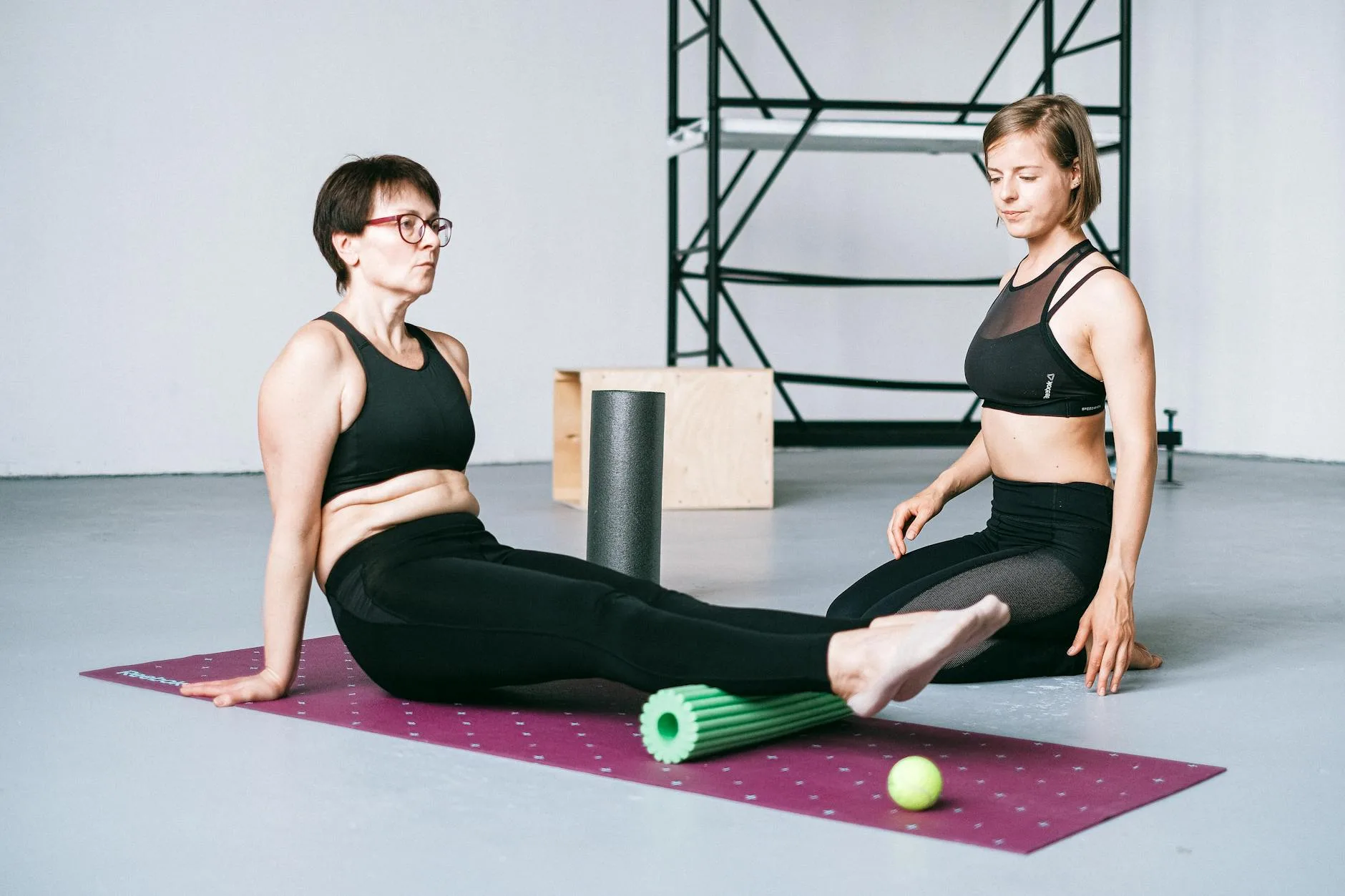
- A firm foam roller (£15-25 from Decathlon) for quads, glutes and lats the day after a heavy session
- A lacrosse-style massage ball (£5-10) for the tight spots a foam roller can’t reach — forearms, plantar fascia, rotator cuff
- An Epsom salt bath (£3 a bag from most supermarkets) the evening after a tournament
- Compression recovery sleeves for the calves if you play back-to-back days
- A TENS machine if you’re really serious, though most club players never need one
If you play more than twice a week, a foam roller and massage ball combo will do more for your next-session sharpness than any supplement or recovery drink.
What You Don’t Need (Yet)
Padel marketing will try to sell you everything. A padel accessories checklist worth following is as much about what to skip as what to buy.
Things to Happily Ignore
- Custom-weight lead tape — unless you’re a 3.5+ rated player, the benefit is placebo
- Multiple rackets in rotation — one good racket is plenty until you’re playing four times a week
- Expensive branded bags when a generic backpack does the job — save £100 for lessons instead
- Ball pressurisers (those pump tubes) — they work, but for £20 you can just buy fresh balls
- Electronic scorers, smart grips, racket-mounted sensors — fun toys, not padel accessories
- Shoe drying racks, special cleaning products — a bootbag and a damp cloth do the same job
When to Upgrade
Every item on this list has a “buy once you’ve played for three months” version. If you’re still playing after three months, you know what you actually use — and which accessories have sat untouched at the bottom of your bag. That’s the point to upgrade the things you use most and quietly sell or gift the rest.
A Ready-to-Buy Padel Accessories Checklist
The shopping list version of everything above, with rough UK price ranges and where to buy. Print this, cross things off as you go.
Essentials — Week One
- Padel racket — £80-200 — Sigma Sports, Amazon UK, Decathlon
- Three tubes of pressurised balls — £12-18 — Sigma Sports, Sports Direct
- Non-marking padel shoes — £70-140 — Sigma Sports, Amazon UK
- A backpack-style padel bag — £40-70 — Amazon UK, Decathlon
Total: around £200-430 for everything you genuinely need in session one.
Month One Additions
- Three-pack of overgrips — £8 — Sports Direct, Amazon UK
- Four pairs of synthetic sports socks — £30-40 — Amazon UK, Decathlon
- Insulated water bottle (750ml-1L) — £15-30 — John Lewis, Argos
- Microfibre sweat towel — £4-10 — Decathlon, Amazon UK
- Pack of electrolyte tablets — £8 for 20 — Boots, Holland & Barrett
Total: about £65-95 on top of week-one kit.
Month Three Upgrades
- Pair of wristbands and a headband — £10-15 — Amazon UK, Sports Direct
- Padel eyewear (if you play heavy net positions) — £30-60 — Sigma Sports
- Foam roller and massage ball — £20-30 — Decathlon, Argos
- Spare tube of balls in your bag at all times — £5 — stock up at Sports Direct
Total: £65-110 for the full kit.
The whole padel accessories checklist comes in under £600 even if you buy the premium version of each line. More than half of that £600 is the racket and shoes. The actual accessories — grips, socks, bags, bottles, wristbands — add up to about £150. That’s the sweet spot for genuine value on a sport you’ll likely play for decades.
Frequently Asked Questions
What’s the absolute minimum gear I need for my first padel session? A racket (borrowed is fine), a tube of three pressurised padel balls, any trainers with a flat-ish grippy sole, and water. Everything else can wait a week. Most clubs will hire or loan rackets for your first visit, and pro shops at larger venues sell balls on arrival if you forget.
Can I use tennis balls or tennis shoes for padel? Tennis balls — no, they bounce too high and play too fast on a padel court. Tennis shoes — for a single session in an emergency, yes. Long-term, no. Tennis shoes have firmer, less cushioned soles and can mark indoor court surfaces. Buy proper padel shoes by your second or third session.
How long do padel balls stay playable after opening the tube? About five to seven days of regular play before they start feeling dead, or three to four weeks if you only play once. Once the pressurised seal is broken, the balls slowly lose pressure whether you use them or not. Open a new tube for important matches.
Do I need different accessories for indoor and outdoor courts? Mostly no — the same shoes, balls, clothes and bag work for both. The only outdoor-specific additions are a cap for sun protection and slightly lighter clothing in summer. Indoor courts can run hot in UK winter due to heating, so synthetic layers and a headband help.
How often should I replace my overgrip? Every three to five sessions for serious players, every ten to fifteen for casual weekly players. The grip is dead when it starts feeling slick or slippy rather than tacky. At £2.50 each, there’s no good reason to keep a worn one on.
Is padel eyewear actually necessary or just a gimmick? Not strictly necessary — most UK club players don’t wear it. If you play at a competitive level with heavy smash exchanges at the net, or if you wear prescription glasses that could shatter on impact, it’s cheap insurance. For once-a-week social doubles, you can skip it.