Padel is easier to enjoy when your kit lets you move sideways, stop hard and cool down between points. The short version: wear court shoes with lateral support, breathable tennis-style clothing, proper sports socks, and one removable layer if the club is cold. You do not need a head-to-toe padel outfit, but you do need clothing that copes with lunges, glass-wall recoveries and sweaty indoor courts.
In This Article
- What To Wear Playing Padel: The Short Answer
- Start With Padel Shoes, Not The Shirt
- Tops And Layers For Indoor, Outdoor And Club Matches
- Shorts, Skorts, Leggings And Pockets
- Socks, Support And Small Comfort Items
- What Changes For Hot, Cold Or Wet Courts
- What To Avoid Wearing
- Frequently Asked Questions
What To Wear Playing Padel: The Short Answer
The safest default outfit is a breathable T-shirt or polo, shorts or a skort with enough stretch, cushioned sports socks, and non-marking court shoes that grip artificial turf. If you are playing outdoors in the UK, add a light zip layer you can remove after the warm-up. If you are playing indoors, expect the first ten minutes to feel chilly and the next forty to feel sweaty.
That is the practical answer. The expensive mistake is spending £90 on a branded padel top while still wearing running shoes. Padel is full of short side steps, split steps, emergency pivots and awkward recoveries near the glass. Shoes matter first, then socks, then clothing.
For most new players, this is enough:
- Shoes: padel, tennis or clay-court shoes with side support, usually £40-£110 in the UK.
- Top: a breathable synthetic sports top, usually £7-£35 from Decathlon, Sports Direct, Nike, adidas or tennis retailers.
- Bottoms: shorts, skort, tennis dress or leggings that do not restrict lunges, usually £10-£45.
- Socks: cushioned sports socks, ideally not thin trainer liners, usually £5-£15 for a pair or small pack.
- Layer: a light quarter-zip, hoodie or track jacket for cold starts, usually £20-£60.
The LTA describes padel as a doubles racket sport played on an enclosed court, and that enclosed-court detail is why movement matters more than fashion. You are not just jogging in straight lines. You are stopping, rotating and reaching from awkward positions.
I would put the budget into shoes before anything else. A £13.99 Kuikma or Nike-style dry-fit top and £12.99 shorts will play fine. A slippery pair of running trainers will not.
A sensible first outfit
For a first club session, wear something boring and functional: court shoes, medium-thickness socks, sports shorts or leggings, and a breathable top. Take a thin layer for before and after the game. If you already own tennis kit, use it. If you only own gym kit, check the shoes first and avoid loose cotton. That is the simplest answer to what to wear playing padel before you know your club, court speed or how warm the venue gets.
Where this guide stops
This is a match-day clothing guide, not a ranking of every clothing brand. For buying decisions, the site already has separate guides to breathable padel clothing, padel shoes and padel shoe sole types. Here, the question is simpler: what should you actually turn up wearing?
Start With Padel Shoes, Not The Shirt
Shoes are the one part of the outfit I would not treat casually. Padel courts look friendly, but the movement is sharp: short sprints, sideways braking, quick pivots, and the occasional ungainly scramble when the ball comes off the back glass. Running shoes are built to move forward. Padel shoes are built to stop you folding over the side of the sole.
If you are deciding what to wear playing padel for the first time, a decent pair of court shoes gives you more benefit than any branded clothing item. You can play in a plain sports top. You cannot play well if your feet are sliding around inside soft running trainers.
Padel shoes vs tennis shoes
Proper padel shoes are the neatest answer because they usually combine lateral support, durable uppers and soles designed for artificial turf with sand. Tennis shoes can also work, especially clay-court or all-court models, but very smooth hard-court soles can feel skiddy on some padel courts.
There is a separate guide on padel shoes vs tennis shoes, but the clothing-level advice is this: if you already own supportive tennis shoes, use them for your first few games. If you are buying from scratch, buy padel shoes.
Good UK starting points include:
- Budget: Kuikma PS Team-style padel shoes at Decathlon, often around £39.99-£49.99.
- Mid-range: Asics Gel-Dedicate or adidas Crazyquick padel models, often around £45-£75 at Sports Direct or specialist tennis shops.
- Premium: Asics Gel-Resolution, Babolat Jet Premura or Nox/Bullpadel models, usually £90-£140.
My pick for a new player would be the budget-to-mid range, not the premium end. A £50-£70 shoe with proper side support is enough while you learn what court surface your club uses and how often you will play.
What the sole should feel like
You want grip without feeling glued to the floor. If the sole bites so hard that your knee twists before the shoe moves, that is not ideal either. Herringbone and mixed soles are common because they give grip on sandy turf while still letting you pivot.
The International Padel Federation rules documents are not a shoe-buying guide, but the official court context matters: padel is played on a defined enclosed court where players change direction quickly and close to walls. Your shoes should be chosen for that environment, not for road running or gym treadmill work.
Fit beats brand
Try shoes with the socks you will actually wear. You want the heel held firmly, enough toe room for braking, and no rubbing across the widest part of the foot. If you are between sizes, do not assume the tighter one will “break in”. Padel has too many hard stops for that gamble.
Tops And Layers For Indoor, Outdoor And Club Matches
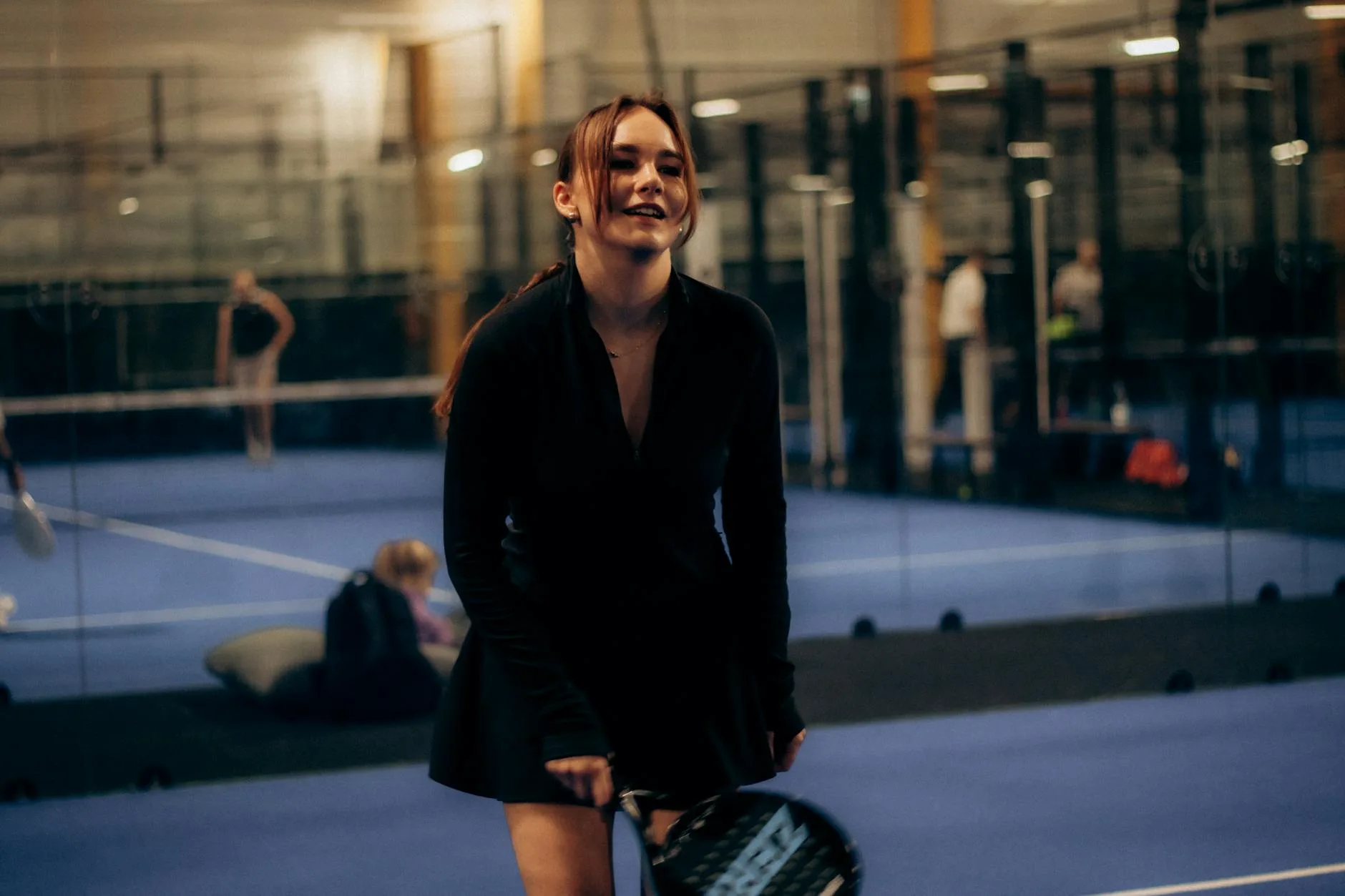
The best top for padel is light, breathable and not too loose around the waist. You swing across your body, reach high for lobs and bend for low volleys, so baggy cotton can flap, cling or twist at exactly the wrong moment. It also stays wet once you start sweating.
Synthetic tennis, running or gym tops are all fine. A Decathlon Kuikma dry top around £13.99, a Slazenger or Nike court T-shirt from Sports Direct around £6-£30, or an adidas tennis polo around £25-£40 will all do the job. You do not need a padel-specific top unless you like the cut.
Indoor courts
Indoor padel clubs can feel cold when you arrive and warm once four people are moving in a glass box. Wear a breathable base top and take a light zip layer for warm-up and the first few points. Avoid thick hoodies during play unless you are just knocking about; the sleeves get in the way and the fabric holds sweat.
For indoor evening leagues, I like a short-sleeve top plus a thin quarter-zip. It is dull, but it works. You can play the first game warm, unzip between points, then take the layer off before it becomes damp.
Outdoor courts
Outdoor UK padel is more variable. A calm September evening and a windy February morning need different kit. A lightweight wind-resistant layer is better than a heavy sweatshirt because it keeps your shoulders freer. If rain is likely, take a packable jacket for before and after, but do not expect to play comfortably in a flappy waterproof.
For outdoor clubs, darker tops hide damp patches better, but pale colours are cooler in sun. That is not vanity; it affects comfort on glass-backed courts where heat can build.
Fit and sleeve length
Sleeveless tops, T-shirts and polos all work as long as your shoulder movement is free. Long sleeves work in winter if the cuff stays put. The only fit I dislike for padel is a loose oversized top that rides up when you reach overhead or wraps around the racket handle during a rushed volley.
If you already own tennis tops, use them. If you are buying new, I would spend £10-£20 on two simple breathable tops rather than £45 on one premium shirt.
Shorts, Skorts, Leggings And Pockets
Your lower-half clothing needs stretch, coverage and somewhere sensible for a spare ball. That last point sounds minor until you spend the whole match asking your partner to hold the second ball. Padel uses underarm serves, quick second serves and lots of short rallies, so ball storage is genuinely useful.
Men usually default to tennis shorts. Women might prefer a skort, tennis dress, leggings or shorts. Any of those can work. The test is simple: can you lunge sideways, squat for a low ball and twist without adjusting your clothes every other point?
Shorts
Look for a 13-18cm inseam if you want easy movement without feeling too exposed. Tennis or padel shorts around £12.99-£35 are fine. Decathlon dry shorts, Slazenger tennis shorts, Nike Court shorts and adidas Club shorts all sit in that normal UK range depending on sale timing.
The pocket matters. Deep pockets are handy, but very baggy pockets bounce. A smooth tennis-style pocket that holds one ball securely is better than cargo shorts, which look practical until the ball smacks against your thigh every time you split step.
Skorts, dresses and leggings
Skorts are popular for a reason: they move well, usually include built-in shorts, and often have ball storage. Sports Direct frequently has Slazenger skorts around £6-£16, while Nike, adidas and Asics options can sit closer to £30-£55.
Leggings are fine if they are not see-through when stretched and they have enough waistband hold for sharp movement. In colder months, leggings plus a light top often beats shorts plus a bulky hoodie. Tennis dresses also work, provided the built-in shorts handle ball storage and the shoulder cut does not restrict overheads.
What I would avoid
Avoid denim, chino shorts, heavy cotton joggers and anything with a stiff waistband. You can technically hit a few balls in them. You will not enjoy a proper game. Padel is too stop-start for clothing that pulls across the hips.
Socks, Support And Small Comfort Items
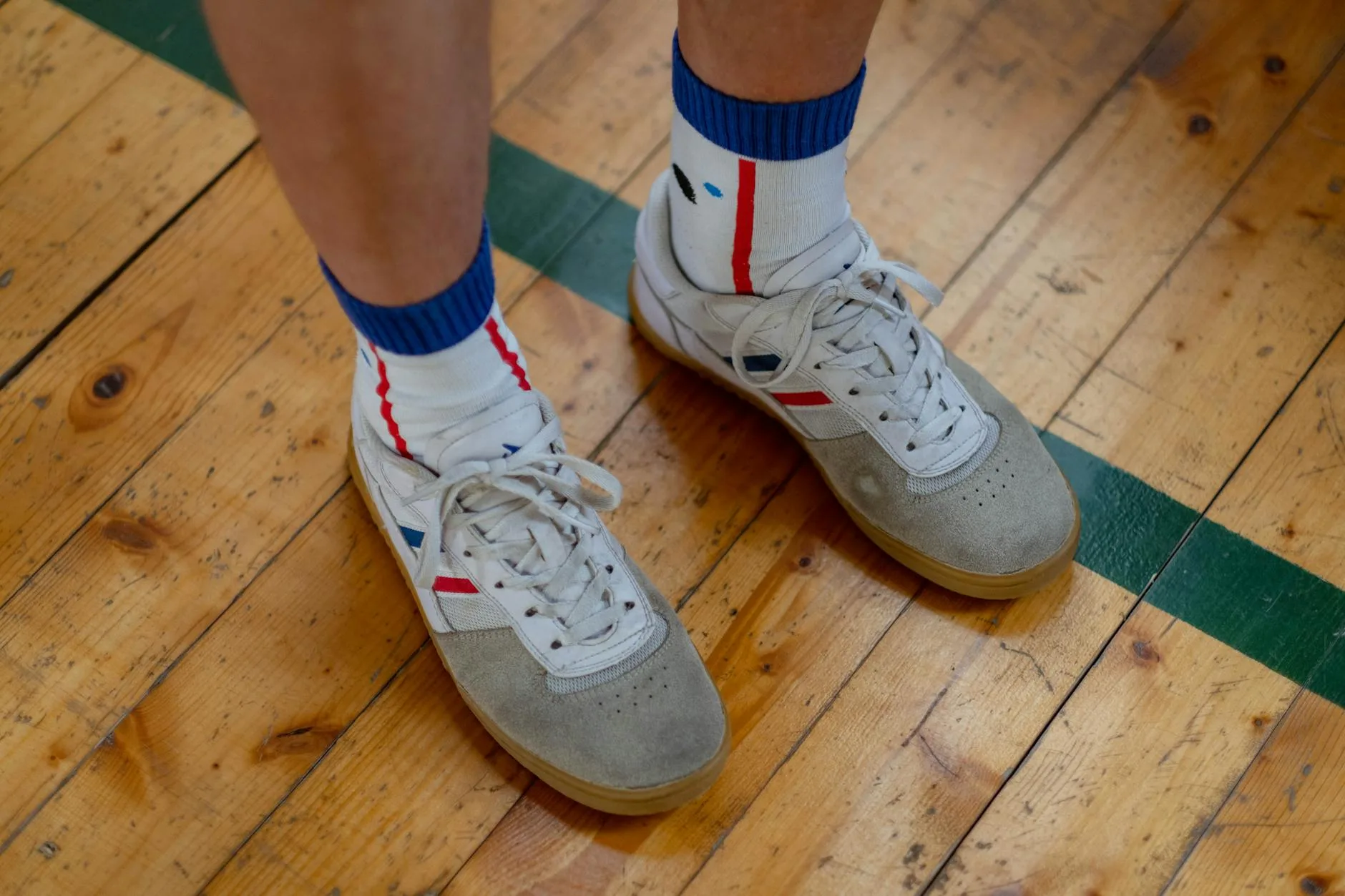
Socks are the cheapest upgrade that makes a real difference. Thin trainer liners can bunch up, leave your heel rubbing and make even good shoes feel worse. Medium-cushion sports socks are better for most players because they fill the shoe properly and soften repeated stops.
If you are prone to blisters, socks matter as much as shoe fit. There is a separate guide on preventing blisters when playing padel, but the quick rule is: avoid brand-new shoes with thin socks in a two-hour session. That is asking for trouble.
Sock choices
Budget sports socks from Decathlon, Sports Direct or M&S are usually £5-£12 for a pair or multipack. Tennis-specific socks from Nike, adidas, Babolat or Asics are often £10-£18. You do not need the most padded sock on the shelf, but you do want enough cushioning under the forefoot and heel.
Crew socks are more practical than no-show socks because they protect the ankle collar and stay put. If you wear ankle braces, test them with your shoes before match night. A brace that fits in running shoes may feel too tight in court shoes.
Sweatbands, caps and support sleeves
Wristbands and headbands are not just style props. If sweat runs onto your hand, your grip gets worse. A basic wristband is usually £5-£10; a branded Nike or adidas pair might be £12-£18. For indoor players who sweat heavily, that is money better spent than a flashy shirt.
Caps are useful outdoors but can be annoying indoors under low lighting. A cap with a dark underside to the brim is better in bright sun. Compression sleeves and tights are optional; some players like the feel, others find them hot. If you are curious, read the separate guide to compression clothing for padel before spending £40 on leggings you may not wear.
What to keep in the bag
Pack a spare top, spare socks and a small towel. That sounds fussy until you play a sweaty indoor match and then sit in the car for twenty minutes in damp kit. A spare £10-£15 dry top is a better quality-of-life upgrade than most accessories.
What Changes For Hot, Cold Or Wet Courts
The base outfit stays the same, but the details change with temperature and court conditions. UK padel is not one climate. One club might be a warm indoor venue with glass walls and poor airflow; another might be an outdoor court where the wind cuts through every changeover.
Hot indoor sessions
Choose the lightest breathable top you own, bring a towel and avoid thick cotton socks if your shoes already fit snugly. Some players like sleeveless tops indoors because shoulders stay cooler. That is fine as long as the armhole does not rub during serves and overheads.
For hot sessions, I would rather wear a £13.99 dry-fit top and change after the match than wear a heavier premium polo that looks smart for five minutes and then clings.
Cold outdoor sessions
Layer thinly. A base sports top, a light mid-layer and a wind-resistant outer for warm-up is usually better than one heavy hoodie. Once the rallies start, you will heat up quickly. Keep your hands warm before you play, because cold fingers make grip changes clumsy.
The existing guide to what to wear for winter padel goes deeper, but the main point is simple: wear layers you can remove without changing your whole outfit.
Damp courts
Outdoor courts can get greasy when damp, especially near entrances and corners. Shoes with worn soles become a bigger problem here. Do not compensate with thicker socks or tighter laces. If the sole is gone, the shoe is gone.
Avoid heavy waterproof trousers unless you are coaching or spectating. They restrict movement and get noisy. A light shower jacket before and after play is fine; during play, breathable layers usually win.
What To Avoid Wearing
Most bad padel outfits fail in one of three ways: the shoes slide, the fabric holds sweat, or the fit gets in the way. You do not need to dress like a sponsored player. You just need to avoid kit that fights the sport.
Do not wear road running shoes for regular padel. They are too tall, too soft and too forward-motion focused. Do not wear football boots, fashion trainers, hiking shoes or anything with marking soles. Many clubs will not allow them anyway, and they can damage the court.
Also avoid:
- Heavy cotton hoodies: warm at first, wet and restrictive after ten minutes.
- Loose joggers: fine for warm-up, annoying for lunges and quick turns.
- Very short trainer socks: more likely to slip and rub inside court shoes.
- Stiff casual shorts: poor for side lunges and low volleys.
- Jewellery that catches: long necklaces, loose bracelets and dangling earrings are not worth the faff.
The other mistake is overdressing for the arrival temperature. Indoor padel venues often feel cool at reception, but rallies change that quickly. Start slightly cool, warm up properly, and use removable layers.
The outfit I would buy first
If I were starting from scratch in the UK, I would buy a £50-£70 pair of padel or clay-court shoes, two breathable tops around £10-£20 each, one pair of tennis shorts or a skort around £15-£35, and two pairs of cushioned socks around £8-£15. That gives you a useful outfit for about £85-£140, depending on sales. It also keeps what to wear playing padel in the right order: grip and comfort first, brand names later.
Spend more only when you know what annoys you. Some players want premium shoes. Some want lighter tops. Some care most about pockets. The court will tell you after a few sessions.
Frequently Asked Questions
Can I wear running shoes for padel? You can wear them for a very gentle first hit, but I would not use running shoes for regular games. They lack the lateral support and court grip padel movement needs.
Do I need padel-specific clothing? No. Tennis, squash or breathable gym clothing usually works. Padel-specific kit is useful, but shoes and fit matter more than the label.
What should I wear for my first padel lesson? Wear court shoes if you have them, sports socks, shorts or leggings, a breathable top and a light layer. Take water and a towel.
Are tennis shoes OK for padel? Supportive tennis shoes can be fine, especially clay-court or all-court models. Very smooth hard-court soles may feel slippery on sandy padel turf.
Should I wear shorts or leggings for padel? Either works. Shorts and skorts feel cooler, while leggings are useful for colder outdoor sessions. The key is stretch, comfort and secure ball storage.
How much should a beginner spend on padel clothing? Around £85-£140 can cover shoes, two tops, bottoms and socks if you shop sensibly. Put the largest share into shoes, not branded shirts.