Indoor vs outdoor padel court choice changes the speed of the game, the kit you need, and how often your booking gets ruined by weather. Indoor courts are more predictable and usually better for coaching or winter leagues; outdoor courts feel brighter, cheaper in some clubs, and closer to the sport most UK players first discover on holiday. Neither is automatically better. The right one depends on whether you value consistency, atmosphere, cost, or being able to play in February without checking the forecast every ten minutes.
In This Article
- Indoor vs Outdoor Padel Court: Quick Answer
- Court Design and Playing Conditions
- Surface, Bounce and Pace
- Weather, Lighting and Visibility
- Cost, Access and Booking
- Shoes, Balls and Kit Changes
- Who Should Choose Each Court Type?
- Frequently Asked Questions
Indoor vs Outdoor Padel Court: Quick Answer
Choose indoor padel if you want reliable bounce, no wind, fixed lighting and predictable booking slots. Choose outdoor padel if you like a more open feel, lower peak-time prices where clubs charge differently, and do not mind adapting to wind, glare, damp glass or colder evenings.
For most UK players, indoor courts are the safer weekly option. Rain is the obvious reason, but it is not the only one. Outdoor courts can play beautifully on a dry spring evening, then feel awkward two days later when the ball sits up in cold air and a side wind keeps dragging lobs into the glass. Indoor courts remove most of that noise from the game.
That does not make outdoor courts second-rate. A good outdoor court with proper drainage, clean glass and decent floodlights can be brilliant. It also teaches useful judgement: how much spin to use in wind, when to leave a ball that might clip the back glass, and how to manage sun at one end. Those skills matter if you play club ladders, social matches abroad, or any tournament where conditions are not controlled.
The practical recommendation is simple:
- Beginners: indoor first if you have access, because the game feels easier to learn.
- Regular club players: use both, so your timing does not become court-dependent.
- Winter players: indoor is worth paying more for unless your outdoor club has excellent drainage and shelter.
- Players on a budget: compare off-peak outdoor slots before assuming indoor is too expensive.
If you are choosing where to join, check both the court type and the booking pattern. A club with two indoor courts that are permanently full after work may be less useful than a club with four outdoor courts and plenty of weekend availability.
Court Design and Playing Conditions
Indoor and outdoor padel courts use the same basic game layout: enclosed court, glass or solid rebound walls, mesh sections, artificial turf, and a low net. The official court footprint is fixed, so the difference is not that one version is a different sport. If you want the measurements separately, start with our padel court dimensions guide; this piece is about what changes once that same rectangle sits indoors or outside.
The LTA’s padel site is a useful UK starting point for the sport, venues and participation. For players, the important bit is that indoor and outdoor courts should still feel like padel: same scoring, same enclosed-court logic, same use of walls. What changes is the environment around the ball.
Indoor courts
Indoor courts sit inside a hall, dome, warehouse-style building, leisure centre or dedicated padel venue. The best ones have generous roof height, non-glare lighting, good acoustic treatment and enough space around the court doors that you are not queueing in a cramped corridor with four rackets and a water bottle.
The biggest indoor advantage is control. There is no rain on the turf, no leaves in the corners, no low winter sun, and no gusts that turn a routine lob into a small act of faith. You can practise the same bandeja or glass-wall return ten times and know the conditions were not the reason attempt seven went sideways.
The downside is that poor indoor venues can feel boxed in. A low roof changes lob confidence. Harsh lighting can make high balls disappear for a split second. Some converted spaces echo so much that calling “mine” feels like shouting in a swimming pool. That is not a padel problem; it is a venue-quality problem.
Outdoor courts
Outdoor courts usually feel more spacious. You get daylight, fresh air and that better social-club atmosphere where the next game is leaning on the fence watching. On a dry evening, outdoor padel is hard to beat.
The trade-off is exposure. Wind affects lobs and high volleys. Rain changes grip and makes glass slower or patchy. Cold conditions reduce ball liveliness. Bright sun can make one end harder to defend, especially on overheads.
Based on UK club reviews, the best outdoor courts are not just “courts outside”. They have:
- Decent drainage: standing water should not linger in the corners.
- Clean glass: dirty or wet glass makes rebounds harder to read.
- Good floodlights: not just bright, but evenly spread with limited glare.
- Some wind protection: nearby fencing, buildings or screens can make a big difference.
- Safe run-off areas: doors and surrounding spaces should not feel cluttered.
If an outdoor court has bad drainage and weak lighting, it will feel cheap for a reason. You may save £4 on the booking and lose half the evening wiping balls, squinting at lobs and muttering at puddles.
Surface, Bounce and Pace
Surface is where players notice the difference fastest. Indoor courts tend to play more consistently because the turf stays dry and the temperature is steadier. Outdoor courts can vary by season, time of day and maintenance level.
If you already read our guide to padel court surfaces, the same broad ideas apply here: sand level, turf type and wear pattern change grip and bounce. Indoor versus outdoor adds another layer because weather affects all three.
Bounce and ball speed
Indoor courts normally give a truer bounce. The ball comes off the glass and turf in a more repeatable way, which helps beginners learn spacing. You can start trusting the wall rather than treating every rebound as a surprise delivery.
Outdoor bounce is more alive to conditions. In warm, dry weather the ball can feel lively and quick. In cold or damp weather it can feel heavier, especially after long rallies. If the turf has compacted sand or damp patches, the ball may skid low in one corner and sit up in another. That is why some players seem brilliant outdoors at their home club and strangely average indoors elsewhere.
Spin and kick
Spin is usually easier to read indoors because wind is not moving the ball after contact. Slice volleys stay closer to the expected path. Lobs drop where you planned. Kick from the glass is cleaner.
Outdoors, spin still matters, but conditions can exaggerate or cancel it. A side wind can push a high lob into the side mesh. Damp glass can kill a rebound. Dry glass on a warm day can make the same shot jump more than expected. The better outdoor players do not hit harder; they adjust earlier.
Pace of the match
Indoor matches often feel faster because rallies flow. You spend less time retrieving balls blown into corners and more time in structured points. That suits players who like volley pressure, quick reactions and predictable tactical patterns.
Outdoor matches can become more varied. You may get slower points in wind, more defensive lobs, and more errors on overheads. That can be frustrating, but it also rewards patience. A player who only trains indoors can look oddly rushed outside because they expect every ball to behave politely. Padel rarely rewards that level of optimism.
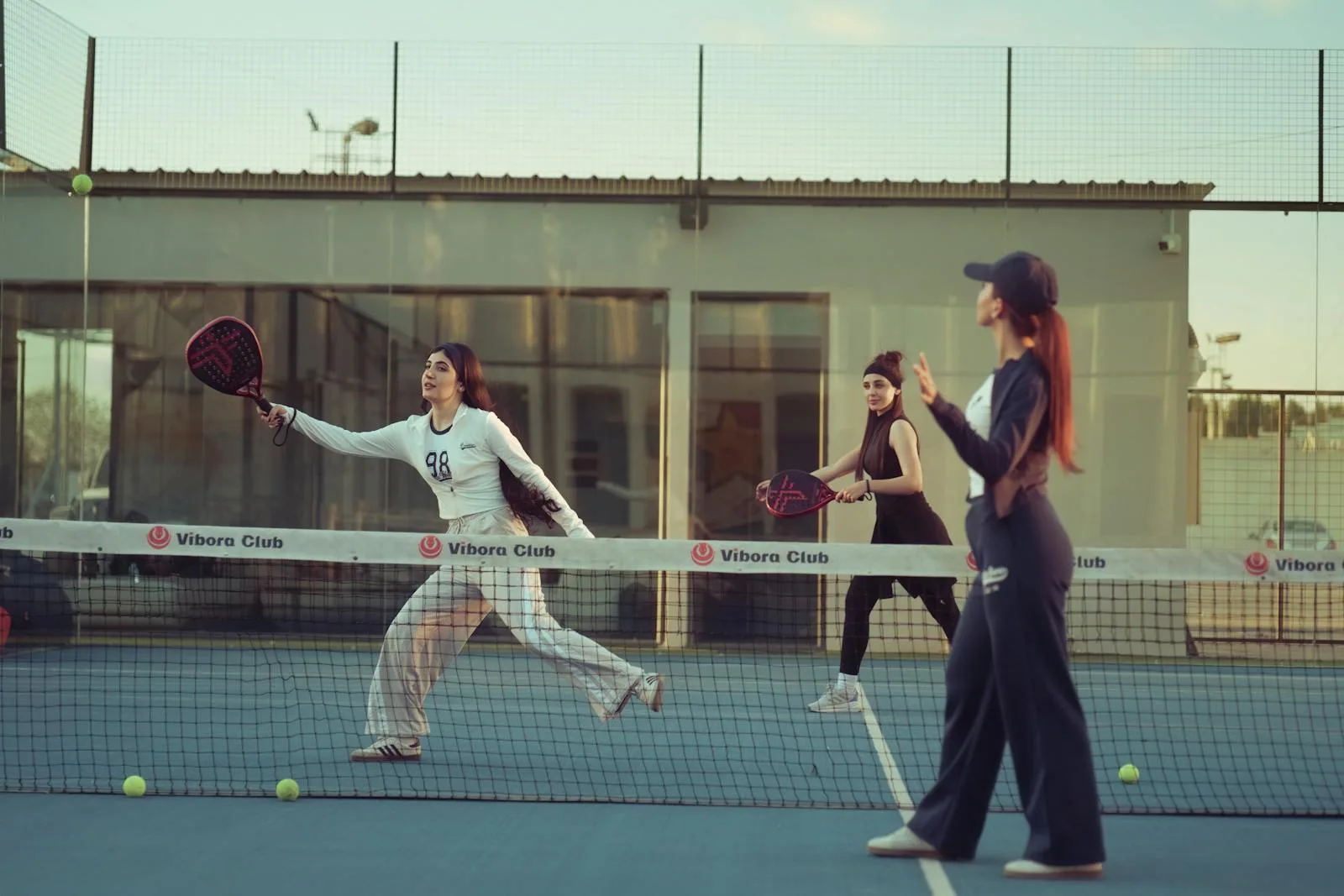
Weather, Lighting and Visibility
The weather difference sounds obvious until you have played enough UK padel to realise “outdoor” can mean four different sports in one month. Dry, calm outdoor padel is not the same as damp, breezy, floodlit outdoor padel after work in November.
Rain and damp
Rain is the main outdoor limiter. Even if a club allows play after light rain, damp turf and glass change footwork, rebound and confidence. Shoes pick up moisture, balls get heavier, and players become more cautious near the glass.
Indoor courts solve that. You can book a weekly slot in January and expect to play. That reliability is why indoor courts often justify higher prices and fill quickly. It is not luxury; it is schedule protection.
Wind
Wind matters more in padel than new players expect because the game uses so many high balls. A tennis-style flat drive is less affected than a defensive lob, bandeja or high recovery shot. On exposed outdoor courts, wind can turn the tactical heart of padel into guesswork.
That does not mean avoid outdoor play. It means adjust:
- Use slightly lower lobs when the wind is behind you.
- Aim with more margin on overheads and side-glass shots.
- Watch the ball longer before committing to a wall rebound.
- Serve with control rather than trying to nick the side glass every time.
Indoor courts remove this variable, which is helpful for lessons. A coach can see your technical issue rather than spending half the session saying, “The wind took that one.”
Lighting and glare
Indoor courts depend on artificial lighting. Good LED systems make evening play easy; bad ones create glare, shadows or dead spots above the glass. If you are trying a new venue, hit a few lobs and overheads before judging the court. Groundstrokes can feel fine while high balls vanish into the lights.
Outdoor courts have their own visibility problems. Low sun can be brutal at one end. Floodlights vary wildly. Some budget installations light the middle of the court well but leave the back corners gloomy, which is exactly where you need to read glass rebounds.
The UK government’s guidance on noise nuisance is also worth knowing if a club is near homes. Outdoor padel has a distinctive ball-and-glass sound, so evening floodlit play can run into local planning and neighbour concerns. Indoor courts contain more of that noise, though a badly insulated hall can still be loud inside.
Cost, Access and Booking
Padel pricing varies by club, location and membership model, but UK players should expect real differences between indoor and outdoor access.
At many venues, a one-hour court booking lands somewhere around:
- Outdoor off-peak: about £20-£28 per court.
- Outdoor peak: about £28-£40 per court.
- Indoor off-peak: about £28-£40 per court.
- Indoor peak: about £36-£56 per court.
Split four ways, that is often £5-£14 each. Coaching, floodlight fees, guest fees and booking app charges can push it higher. Some clubs roll lights into the price; others add £2-£5 per booking. Before joining, check the final checkout price rather than the headline member rate.
Why indoor often costs more
Indoor courts cost more to build and run. The venue has to pay for the structure, lighting, heating or ventilation, insurance, maintenance and staffing. A dedicated indoor padel centre also needs enough bookings to justify the rent. That cost shows up in court fees.
Outdoor courts are cheaper to operate once built, but that does not always mean cheaper for players. In high-demand areas, outdoor courts can still be priced aggressively because demand is there. London and commuter-belt venues can make a Tuesday evening outdoor slot feel like a small utility bill.
Access matters more than the cheapest rate
The cheapest court is not always the best value. If you can only play after 7pm and every indoor court is booked three weeks ahead, an outdoor club with decent floodlights may be more useful. If you play with children or newer players, an indoor venue with toilets, cafe seating and predictable weather might justify an extra few pounds.
Useful questions before joining:
- Can you book peak slots easily? A cheap membership is weak if you never get a court.
- Are floodlights included? Small add-ons change the real price.
- How often are outdoor courts cancelled? Ask regulars, not only reception.
- Is there coaching indoors or outdoors? Lessons are better when conditions are stable.
- Are socials split by court type? Some clubs put leagues indoors and casual sessions outside.
If you are comparing clubs, look beyond the court photo. Booking availability is the thing you live with.
Shoes, Balls and Kit Changes
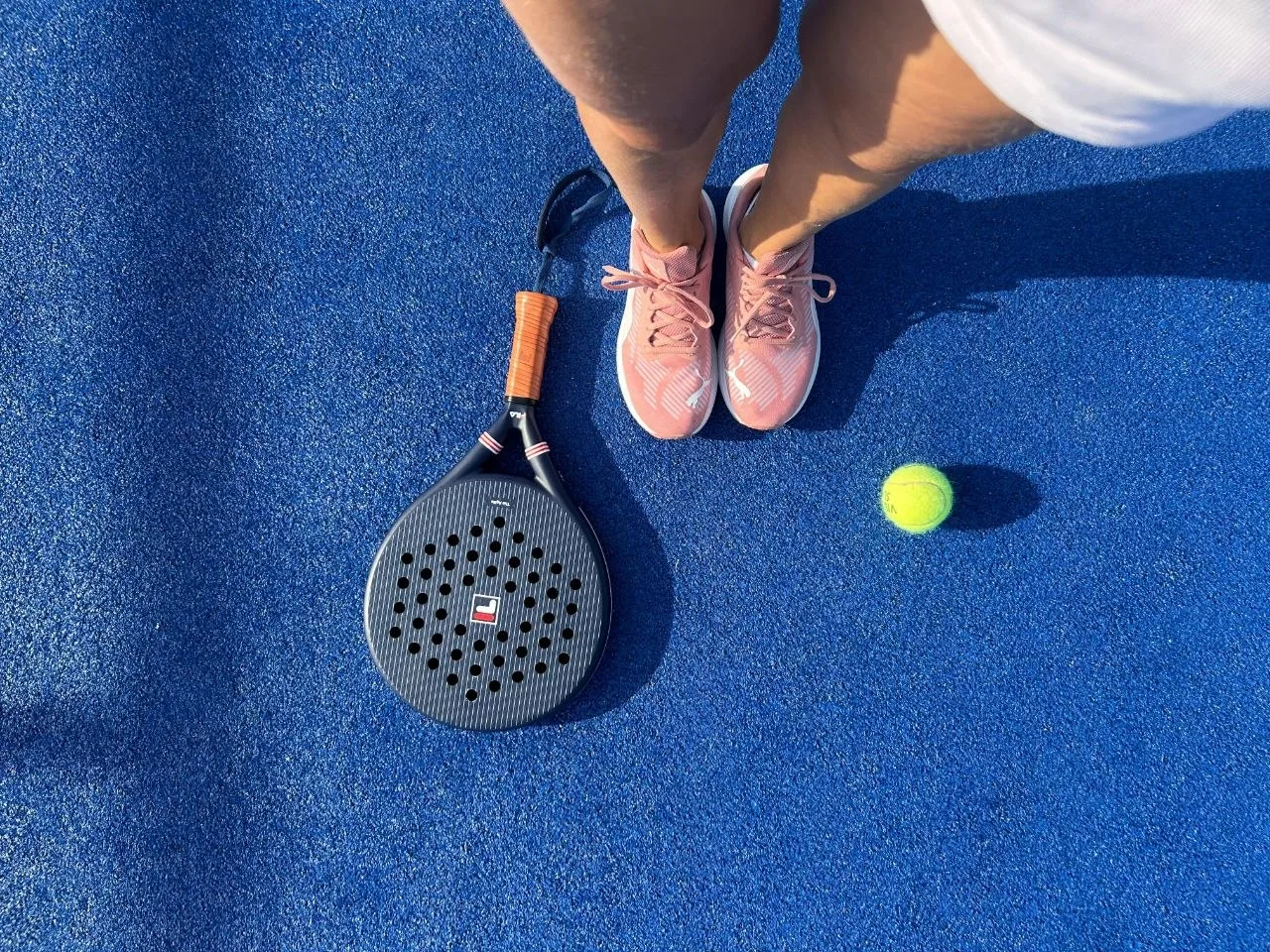
You do not need a completely different bag for indoor and outdoor padel, but a few kit choices matter. This is where small spending decisions save annoyance.
Shoes
Padel shoes with a herringbone or mixed sole are the safest general choice. Expect to pay around £55-£90 for entry to mid-range models from Adidas, Head, Nox or Asics, and £100-£150 for premium shoes. Decathlon often has cheaper padel or clay-court options around £35-£60, which can be fine for casual play.
Indoor courts can feel grippier and cleaner, so players sometimes get away with lighter shoes. Outdoor courts, especially damp ones, make grip and lateral support more important. If you are slipping on a chilly outdoor court, it is not bravery to keep going. It is a future ankle complaint filling in its diary.
Our padel shoe sole guide goes deeper, but the short version is this: avoid running shoes for both court types. They are built for forward motion, not repeated sideways braking on artificial turf.
Balls
Padel balls cost roughly £5-£7 for a tube of three from UK retailers such as Decathlon, Sports Direct, Amazon UK or specialist racket shops. Outdoor play can make balls feel tired sooner because temperature, damp and rougher conditions affect pressure and felt. Indoor balls usually stay more predictable for longer.
If you play outdoors in winter, bring a fresh tube more often. Old balls in cold air can make the game slow and joyless. If your group keeps blaming the court, check whether the balls have been living in someone’s boot since October.
Clothing and small extras
Indoor clothing is simple: normal padel kit, towel, water and maybe a thin layer for warm-up. Outdoor kit changes by season.
Worth having:
- Lightweight waterproof layer: about £25-£70 from Decathlon, Sports Direct or tennis retailers.
- Grip towel: about £6-£15, useful when the glass and air are damp.
- Spare overgrips: about £5-£9 for a pack of three; damp outdoor sessions chew through them.
- Cap or visor: about £10-£25 for low sun.
- Thermal base layer: about £15-£35 for winter evening sessions.
You do not need to buy everything at once. Start with shoes and balls. Add layers when the British weather starts doing its usual impression of a committee meeting.
Who Should Choose Each Court Type?
There is no universal winner, but there are clear patterns.
Beginners
Beginners usually learn faster indoors. The bounce is steadier, the coach can isolate technique, and the player can stop blaming wind for every mistimed lob. That said, beginners should still try outdoor courts early. Padel is an adaptive sport, and learning only in controlled conditions can make your first outdoor match feel unfair.
If you are booking a first lesson, choose indoor if the price difference is modest. If indoor lessons are £60 and outdoor group coaching is £18, take the group session and spend the saved money on decent shoes.
League and match players
Match players should practise on both. Indoor courts sharpen timing and attacking patterns. Outdoor courts sharpen patience, shot selection and emotional control. If your local league uses outdoor courts, training only indoors is asking for a surprise.
The players who travel best are the ones who can adjust within three games. They test the glass, check the wind, notice the lights, and change their lob height before the first set has disappeared.
Winter players
Indoor wins for winter consistency. Outdoor padel in winter can still be good, especially on sheltered courts with strong maintenance, but the cancellation risk is real. If your weekly game matters because it is your main exercise slot, indoor is worth prioritising.
For outdoor winter play, use warmer layers, fresh balls and a longer warm-up. Read our padel winter clothing guide if you are constantly starting matches cold.
Social groups
Social groups often prefer outdoor courts in summer because they feel more relaxed. There is more watching, chatting and post-game hanging around. Indoor venues can be better for mixed-ability groups in winter because conditions are kinder and people are less likely to drop out after seeing the forecast.
If you organise a weekly four, pick the court type that makes people turn up. The best court on paper is useless if two players bail every time drizzle appears on the Met Office app. For mixed social sessions, our padel court etiquette guide is also worth sharing before someone starts treating a friendly four like a televised final.
Common switching mistakes
The biggest mistake is assuming your usual timing will transfer unchanged. It will not always.
Moving from indoor to outdoor
Indoor players often hit outdoor lobs too high in wind, attack overheads too early, and trust damp glass too much. They also underestimate sun and visibility. If one end is awkward, accept it and play higher-margin points there rather than trying to prove a point to the weather.
Useful adjustment: spend the warm-up hitting into all four back-glass corners. Do not just knock volleys down the middle and start the match. The corners tell you how the court is playing.
Moving from outdoor to indoor
Outdoor players sometimes overcompensate indoors. They leave too much margin on lobs, play slower than needed, and expect the ball to die when it actually kicks cleanly from the glass. Indoor courts reward earlier positioning. If the bounce is true, use it.
Useful adjustment: take one step forward after your lob when the court allows it. Indoor padel often rewards quick net recovery because conditions are not fighting you.
Blaming the court too quickly
Some complaints are fair. Wet turf, broken glass panels, poor lighting or loose seams should be reported. But not every missed bandeja is the court’s fault. The better question is, “What is this court asking me to change?”
For indoor, that might mean trusting the rebound and playing faster. For outdoor, it might mean using more margin, checking the wind and accepting that ugly points still count. Annoying, but true.
Frequently Asked Questions
Are indoor padel courts better than outdoor courts? Indoor courts are better for consistency, coaching and winter reliability, but outdoor courts can be better for atmosphere, summer play and learning to adapt to real conditions.
Is outdoor padel harder? Outdoor padel can be harder because wind, damp, sun and cold affect the ball. The court dimensions are the same, but the judgement required is usually greater.
Do you need different shoes for indoor and outdoor padel? Not necessarily. A good herringbone or mixed-sole padel shoe works for most players on both. Avoid running shoes, especially outdoors where damp turf makes sideways grip more important.
Are indoor padel courts more expensive in the UK? Often, yes. Indoor peak bookings commonly cost about £36-£56 per court hour, while outdoor slots can be closer to £20-£40 depending on venue, time and membership.
Can you play outdoor padel in the rain? Some clubs allow play after light rain if the surface drains well, but wet turf and glass change grip and bounce. Heavy rain usually means cancellation or a poor-quality session.
Which court type is best for beginners? Indoor is usually best for early lessons because the ball behaves more predictably. Beginners should still try outdoor courts once they understand the basics.