You walk into a padel centre for the first time and the courts look identical. Blue walls, glass back, turf floor. Then someone mentions they prefer the courts at another club because the surface is faster, and you realise you have no idea what they’re talking about. Fair enough — most players never think about what’s under their feet until they slip during a smash or notice the ball bouncing differently at a new venue.
In This Article
- Why the Surface Matters More Than You Think
- The Three Main Types of Padel Court Surface
- Artificial Grass (Turf): The UK Standard
- Concrete and Porous Concrete
- Synthetic Resin and Acrylic Hard Courts
- How Sand Infill Changes Everything
- Indoor vs Outdoor Surface Considerations
- How Surface Affects Your Game
- Shoe Choice and Court Surface
- What to Look for When Visiting a New Club
- Court Surface Maintenance and Lifespan
- Which Surface Do Professional Players Prefer?
- Frequently Asked Questions
Why the Surface Matters More Than You Think
The surface of a padel court affects three things that directly change how you play: ball bounce height, ball speed after the bounce, and your own grip and movement. Play on a freshly sanded artificial grass court and the ball skids through low and quick. Play on a worn court with sparse sand and the ball kicks up higher, giving you more time but less control on drop shots.
Bounce Behaviour
Different surfaces absorb different amounts of energy when the ball lands. A hard court reflects more energy back into the ball, producing a higher, faster bounce. Artificial turf with dense sand infill cushions the impact slightly, keeping the bounce lower. This matters because padel is a game built around controlling the bounce — your bandeja, your vibora, your lob all depend on predicting exactly where the ball ends up after it hits the ground.
Player Movement and Joint Impact
Surface choice also affects your body. Concrete is unforgiving on knees and ankles over a two-hour session. Turf with proper underlay and sand provides some shock absorption, which is why most UK clubs choose it. If you play three or four times a week, the surface you play on makes a noticeable difference to how your joints feel the next morning.
The Three Main Types of Padel Court Surface
The International Padel Federation (FIP) approves three categories of playing surface. Most courts you’ll encounter in the UK fall into one of these, though the quality within each category varies wildly depending on the manufacturer, installation, and maintenance.
Overview
- Artificial grass (turf) with sand infill — the most common globally and almost universal in UK clubs
- Concrete or porous concrete — found in some outdoor courts, particularly in Southern Europe and South America
- Synthetic resin or acrylic hard court — similar to tennis hard courts, used in some indoor facilities
Each has trade-offs in cost, playability, maintenance, and durability. No surface is objectively best — it depends on climate, budget, and the level of play the facility targets.
Artificial Grass (Turf): The UK Standard
Walk into any padel club in Britain — Game4Padel, Padium, The Padel Club, LTA-affiliated venues — and you’re playing on artificial grass. There’s a good reason for this: it handles the UK’s unpredictable weather better than alternatives, it’s comfortable to play on, and it gives a consistent, medium-paced game that suits all levels.
How It’s Made
Modern padel turf uses monofilament polyethylene fibres, typically 12-15mm in height, stitched into a latex backing. The fibres are then filled with kiln-dried silica sand to about two-thirds of the fibre height. Better installations include a shock-absorbing underpad beneath the turf, usually 8-12mm of closed-cell foam or rubber granulate.
Playing Characteristics
The ball bounces lower and slower than on hard courts, which rewards patient, tactical play. The sand provides enough grip for quick lateral movements but allows controlled sliding — something you won’t get on concrete. After playing on good quality turf for a few months, you start to appreciate how the slight give underfoot reduces fatigue compared to harder surfaces. Your feet don’t ache after a two-hour doubles session the way they might on concrete.
Cost and Lifespan
A full padel court installation with quality turf runs between £35,000 and £55,000 in the UK, depending on whether it’s indoor or outdoor, and whether glass or mesh walls are used. The turf itself accounts for roughly £4,000-£8,000 of that. With proper maintenance — regular brushing, sand top-ups, and weed prevention for outdoor courts — good turf lasts 5-8 years before needing replacement.
Concrete and Porous Concrete
If you’ve played padel in Spain, Argentina, or Mexico, there’s a decent chance you’ve played on concrete. It’s the traditional padel surface and still common in countries where the sport originated.
Why It’s Less Common in the UK
Concrete doesn’t handle standing water well (unless it’s porous), and a wet concrete padel court is dangerously slippery. Given that outdoor courts in the UK can expect rain on any given day between September and May — and often in June, July, and August as well — concrete isn’t practical for most British venues. The handful of concrete padel courts in the UK tend to be covered or indoor.
Playing Characteristics
Concrete produces a faster, higher bounce than turf. The ball skids off the surface with more pace, which rewards aggressive play and makes defensive walls harder to reach. It’s noticeably different from turf: your volleys need to be more precise because the ball arrives faster, and lobbing becomes more effective since the high bounce gives the ball more time to reach the back glass.
Porous Concrete
Porous concrete attempts to solve the drainage problem by allowing water to seep through the surface. It’s made with larger aggregate and less cement, creating tiny gaps in the structure. It works reasonably well for light rain but struggles with heavy downpours. The surface is slightly rougher than standard concrete, which provides better grip but wears shoes out faster.
Joint Impact
This is the big drawback. Concrete has virtually no shock absorption. Professional players who train on concrete often deal with shin splints, patellar tendinitis, and plantar fasciitis at higher rates than those who train on turf. If you’re playing casually once or twice a week, it’s unlikely to cause problems. But regular players should factor this in when choosing where to play — your knees will thank you for picking a turf-based court.
Synthetic Resin and Acrylic Hard Courts
Think of a tennis hard court — the kind you see at the Australian Open or US Open — and you’re close to what synthetic resin padel courts look like. An acrylic or polyurethane coating is applied over a concrete or asphalt base, creating a smooth, uniform surface with consistent bounce characteristics.
Where You’ll Find Them
These are relatively rare in the UK padel scene. You’re more likely to encounter them at multi-sport facilities that have converted existing tennis courts or at newer indoor centres experimenting with different surfaces. A few clubs in London and the South East have installed them as premium courts.
Playing Characteristics
The bounce is fast and predictable — more so than any other surface type. The ball comes off the court at a consistent height and speed, which suits advanced players who want to fine-tune their shot selection. The trade-off is that the surface offers very little slide. Your feet grip hard, which means quick direction changes put more stress on ankles and knees. Players moving from turf to a hard court for the first time often feel like they’re playing in treacle because their feet stick rather than glide. For a related angle, see our Padel Court Dimensions and Lines Explained guide.
Cost
Resin surfaces sit at the premium end. Installation costs are comparable to turf initially, but they require specialist resurfacing every 3-5 years at £3,000-£5,000 per court. The advantage is lower ongoing maintenance — no brushing, no sand top-ups, no weed treatment.
How Sand Infill Changes Everything
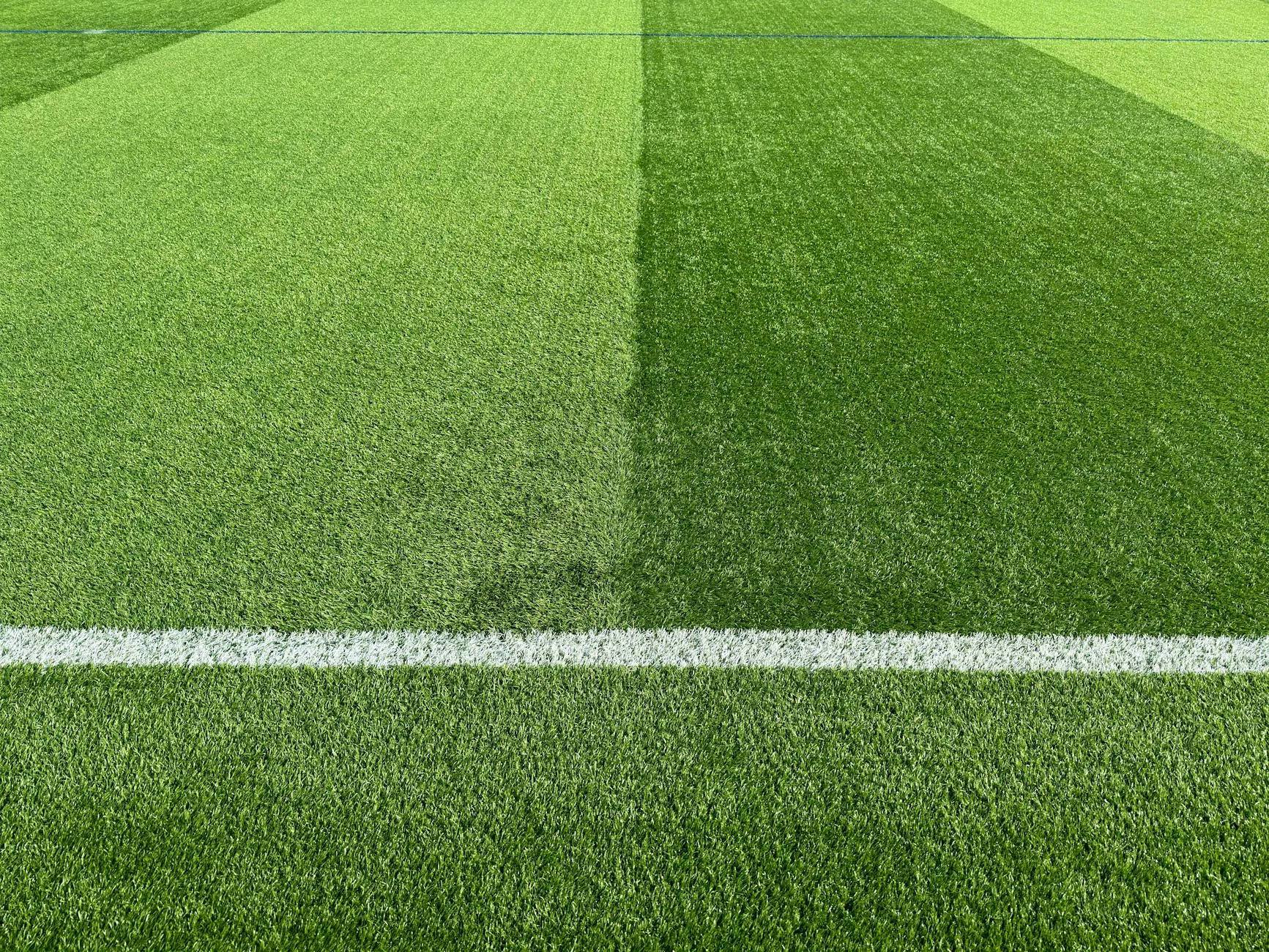
If you play on artificial turf — and in the UK, you almost definitely do — the sand infill is arguably more important than the turf itself. It’s the single biggest variable in how the court plays, and it’s the thing most clubs get wrong over time.
What the Sand Does
Sand sits between the turf fibres and serves three purposes. It weighs the turf down, preventing it from moving or buckling during play. It supports the fibres, keeping them upright so the court plays consistently. And it creates the playing surface itself — the ball bounces off the sand, not the fibre tips.
Too Much vs Too Little
A court with too much sand plays fast and low. The ball skids through without much bounce, which benefits attacking players and makes it hard to get under low balls. A court with too little sand plays slower and higher — the fibres slow the ball down and the exposed rubber backing absorbs more energy.
Most clubs aim for sand levels about 1-2mm below the fibre tips. When the sand drops well below that, you’ll notice the ball bouncing inconsistently and the court feeling “sticky” underfoot. The etiquette at most clubs includes not dragging your feet excessively to avoid displacing sand.
Sand Quality Matters
Not all sand is equal. Kiln-dried, rounded silica sand (typically 0.3-0.8mm grain size) is the standard for padel. Angular or builder’s sand compacts unevenly, creates divots, and can actually cut the turf fibres over time. If you visit a court and the sand looks grey or clumpy rather than fine and golden, the club may be cutting corners on maintenance.
Indoor vs Outdoor Surface Considerations
The decision between indoor and outdoor changes which surfaces are viable and how they perform day-to-day.
Outdoor Courts
Outdoor courts in the UK need surfaces that handle moisture. Artificial turf with proper drainage is the only practical choice for most venues. The sand infill must be kiln-dried rather than naturally dried, because kiln-dried sand repels water instead of absorbing it. Courts with poor drainage or the wrong sand type become muddy and dangerous in wet conditions.
UV exposure is another factor. Cheaper turf fades and degrades faster in direct sunlight. Quality courts use UV-stabilised fibres that maintain their colour and structural integrity for 7-10 years even with full sun exposure. You can often judge a club’s turf quality by how evenly it’s faded — patchy discolouration suggests mixed-quality fibres.
Indoor Courts
Indoor courts have more surface options because weather isn’t a factor. Some indoor clubs opt for the slightly lower-maintenance resin surface, while most still choose turf for the playing characteristics. The main consideration indoors is climate control — artificial turf in an unventilated building gets humid, the sand absorbs moisture from the air, and the court plays progressively slower throughout the day. Good indoor facilities run dehumidifiers or climate-controlled air handling to keep conditions consistent.
Temperature Effects
Temperature changes the ball as much as it changes the surface. A cold court (below 10°C) produces a lower, deader bounce regardless of surface type because the ball’s internal pressure drops. This is why indoor padel in winter often feels different from summer outdoor padel — it’s not just the surface, it’s physics. The FIP requires balls to be tested at 20°C for homologation, but nobody plays at a controlled 20°C in a British winter.
How Surface Affects Your Game
Understanding the surface you’re on helps you make better tactical decisions. It’s not about being fussy — it’s about adapting your game.
On Fast Surfaces (Hard Court, High Sand)
- Volleys arrive quicker, so position closer to the net to cut off angles
- The ball stays low after the bounce, making defensive lobs harder — commit to attacking when you have the chance
- Drop shots are more effective because the ball dies faster on the second bounce
- Wall play is more important since the ball comes off the glass with more pace
On Slow Surfaces (Worn Turf, Low Sand)
- You have more time on defence, so patience becomes a weapon
- Lobs are more effective because the higher bounce gives the ball time to reach the back glass
- Power shots lose their edge — placement beats force
- Rallies tend to be longer, which rewards fitness and consistency over shot-making
Adapting Between Courts
If you regularly play at different clubs — which most UK players do, given how quickly new padel venues are opening — spend the warm-up paying attention to how the ball bounces. Hit a few deliberately high balls and watch the bounce height. Try a couple of slides to feel the grip level. It only takes five minutes but it saves you losing the first three games wondering why your usual shots aren’t working.
Shoe Choice and Court Surface
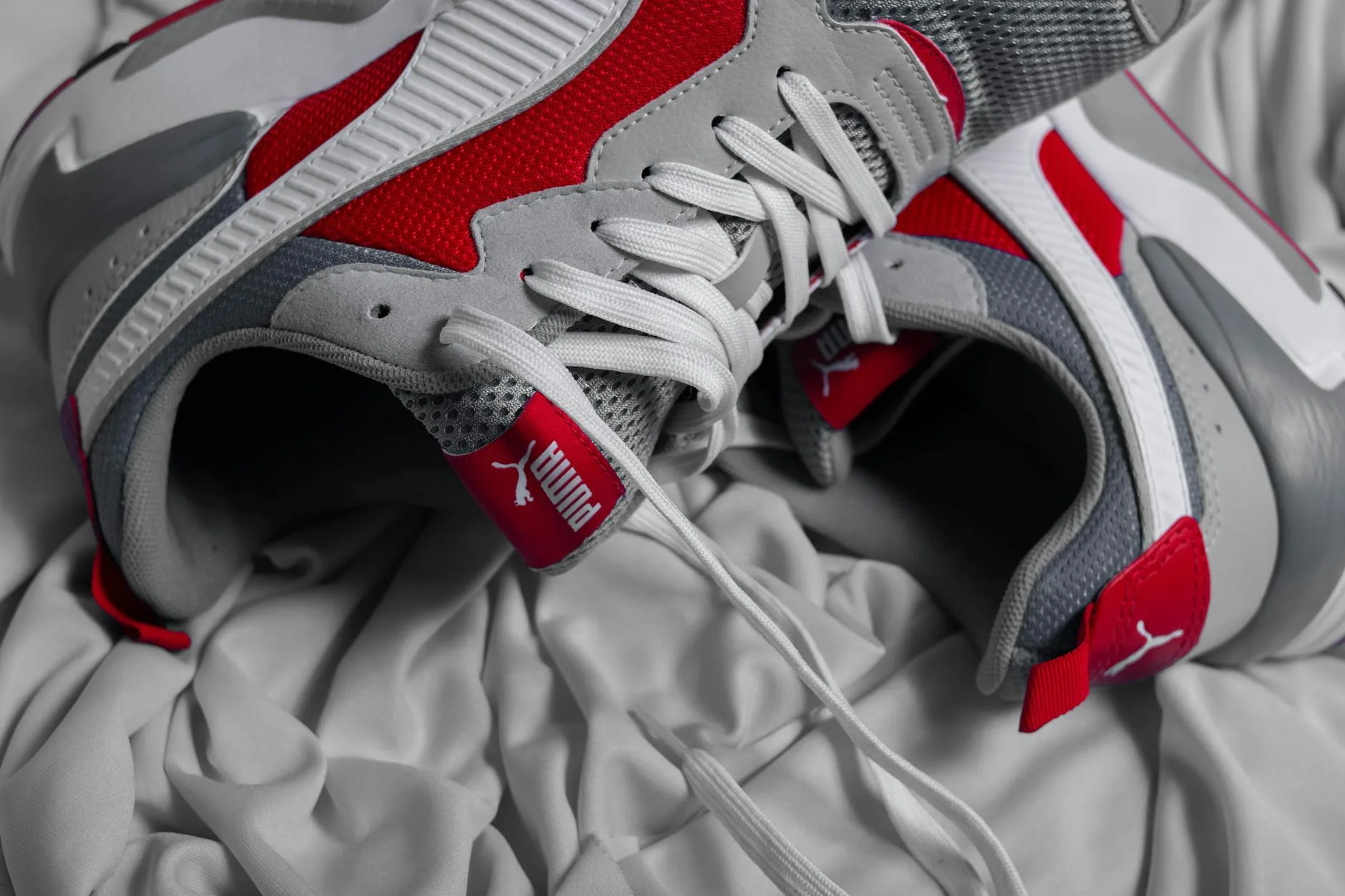
The surface you play on should inform your shoe choice, though most UK players can get away with one good pair of padel shoes since nearly all UK courts are turf.
Herringbone Soles for Turf
Herringbone patterns provide the best combination of grip and controlled sliding on artificial grass. The V-shaped grooves bite into the sand for traction during sprints but allow your foot to slide when you plant and change direction. This is why virtually every padel-specific shoe uses a herringbone or modified herringbone pattern.
Omni Soles for Varied Surfaces
If you play on both turf and occasional hard courts, omni soles (small rubber studs or dots) offer reasonable performance on both. They don’t slide as well as herringbone on turf, and they don’t grip as well as clay-court soles on hard courts, but they’re a decent compromise.
Hard Court Considerations
On acrylic or resin surfaces, you want maximum grip with minimal slide. Non-marking rubber soles with a flat or lightly patterned tread work best. The surface provides enough friction on its own — you don’t need the herringbone pattern to bite into anything because there’s no loose material like sand.
Shoe Wear Patterns
Pay attention to how your shoes wear. Uneven wear on one surface type (heavy toe wear on concrete, lateral edge wear on turf) tells you about your movement patterns and can help you correct footwork issues. Shoes that are worn down on the outside edge suggest you’re not staying on your toes enough during lateral movement.
What to Look for When Visiting a New Club
Next time you try a new padel venue, run through this quick mental checklist before you play.
Surface Condition
- Is the sand level consistent across the court, or are there bare patches near the service boxes?
- Do the fibres stand upright, or are they matted flat in high-traffic areas?
- Is there visible debris (leaves, chewing gum, loose rubber) on the surface?
- On outdoor courts: is there standing water anywhere after rain?
Bounce Test
Drop a ball from shoulder height in three spots — the centre of each service box and the middle of the court. The bounce height should be consistent. If it varies by more than a few centimetres between spots, the surface is uneven and the club needs to maintain it better.
Slide Test
Do a gentle lateral slide on your non-dominant side. You should be able to slide about 30-50cm on good turf with proper sand. If your foot sticks completely, the sand level is too low or the wrong type. If you slide uncontrollably, there may be too much sand or moisture on the surface.
Court Surface Maintenance and Lifespan
If you’re thinking about building a padel court or you’re involved in running a club, maintenance costs are the bit most people forget to budget for.
Artificial Grass Maintenance
- Weekly: Brush the surface with a drag brush to redistribute sand and keep fibres upright. Takes about 15-20 minutes per court with the right equipment.
- Monthly: Check sand levels with a depth gauge. Top up any depleted areas with kiln-dried silica sand.
- Quarterly: Deep clean with a specialist turf sweeper to remove embedded debris and decompact the sand.
- Annually: Professional inspection for seam integrity, base drainage, and fibre condition.
The LTA recommends padel as a growing sport in Britain, and clubs that follow regular maintenance schedules report turf lasting 30-40% longer compared to courts that are only cleaned when problems become visible. Sport England’s facility design guidance also covers surface specifications for multi-sport venues that include padel courts.
Hard Court Maintenance
Resin and acrylic courts need less frequent attention but more expensive interventions. Pressure washing every few months keeps the surface clean, and crack repair should be addressed immediately to prevent water ingress. Full resurfacing every 3-5 years keeps the playing characteristics consistent.
End of Life
When turf reaches end of life, the fibres lie flat permanently, sand doesn’t redistribute properly after brushing, and the court develops permanent bare patches. At this point, the turf layer needs to be stripped and replaced. The base layer (concrete or stone) can typically be reused if it’s structurally sound, cutting the replacement cost roughly in half.
Which Surface Do Professional Players Prefer?
The World Padel Tour (now Premier Padel under FIP governance) plays exclusively on artificial grass courts. The turf specifications are tightly controlled — fibre height, density, sand type, and infill level are all mandated in the tournament regulations. This means the professional game is optimised for turf, and the tactics you see at the top level are turf-specific tactics.
Tournament Specifications
FIP-certified tournament courts require monofilament turf with a minimum fibre height of 12mm and maximum of 15mm. The sand infill must be kiln-dried silica with rounded grains between 0.3mm and 0.8mm diameter. These specifications ensure consistent playing conditions across tournaments worldwide.
Why Pros Prefer Turf
Beyond the regulations, professional players overwhelmingly prefer turf because it allows the controlled sliding that defines modern padel movement. Watch any Premier Padel match and you’ll see players sliding into wide shots, using the momentum to recover position. This isn’t possible on concrete or hard courts without significant injury risk.
The other factor is injury management. Professional players train 4-6 hours daily. The shock absorption of quality turf with proper underlay makes this sustainable over a career. Several retired players have spoken publicly about joint damage from years of playing on concrete in the early days of the sport in Argentina.
Frequently Asked Questions
What surface are most padel courts in the UK? The vast majority of UK padel courts use artificial grass (turf) with kiln-dried silica sand infill. This surface handles the British climate well and provides comfortable, medium-paced playing conditions suitable for all levels.
Does the court surface affect which shoes I should wear? Yes. For artificial grass courts (which is almost every UK venue), herringbone-soled padel shoes provide the best combination of grip and controlled sliding. On hard courts, you want flatter, non-marking soles with more grip and less slide.
How often should padel court turf be replaced? Quality artificial turf with proper maintenance typically lasts 5-8 years. Signs that replacement is needed include permanently flattened fibres, sand that won’t redistribute after brushing, and persistent bare patches in high-traffic areas like the service boxes.
Can you play padel on a wet artificial grass court? Properly maintained turf with kiln-dried sand and good drainage handles light to moderate rain reasonably well. Heavy rain or standing water makes any court unsafe. If the sand is waterlogged and the surface feels spongy, wait for it to drain before playing.
Is concrete or turf better for padel? For UK conditions, turf is better in nearly every way — it handles rain, absorbs shock, allows controlled sliding, and requires less structural engineering. Concrete courts are practical in drier climates but are rare in Britain for good reason.