You’ve been playing padel for a few months and your technique is improving, but halfway through the second set your legs feel heavy, your reactions slow, and you’re lunging at balls you’d have reached comfortably an hour earlier. The players who consistently win tight matches aren’t always the most skilled — they’re the ones who are still moving well when everyone else is fading.
In This Article
- Why Fitness Matters in Padel
- The Physical Demands of Padel
- Warm-Up Routine Before Playing
- Lower Body Exercises for Court Movement
- Core Exercises for Stability and Power
- Upper Body and Shoulder Exercises
- Agility and Reaction Drills
- Endurance Training for Longer Matches
- Injury Prevention and Recovery
- A Weekly Training Plan for Padel Players
- Frequently Asked Questions
Why Fitness Matters in Padel
Padel is deceptively physical. Because the court is smaller than tennis and the ball moves slower, people assume it’s less demanding. In reality, a competitive padel match involves constant lateral movement, explosive lunges, overhead shots, and rapid changes of direction — all repeated over 60-90 minutes with minimal rest between points.
The glass walls add another dimension. Playing shots off the back wall requires rotation, timing, and core stability that you don’t need in most racquet sports. And because rallies in padel tend to be longer than in tennis — the ball stays in play more thanks to the walls — your cardiovascular system gets a sustained workout rather than short bursts.
After six months of playing twice a week, I noticed my game improved more from adding two gym sessions than it did from an extra padel session. Fitness doesn’t replace court time, but it amplifies everything you do on court.
The Physical Demands of Padel
Understanding what padel asks of your body helps you train the right things rather than just doing generic gym work.
Movement Patterns
- Lateral shuffling — the dominant movement in padel. You’re constantly adjusting position side-to-side across a 10-metre width
- Split steps — the ready position before every shot, loading your legs for explosive first steps
- Forward lunges — reaching for low volleys and short balls at the net
- Backward movement — retreating to play balls off the back glass
- Rotational power — every groundstroke and overhead involves trunk rotation
Energy Systems
Padel uses a mix of anaerobic (short explosive efforts) and aerobic (sustained effort over the match). A typical point lasts 8-15 seconds with 10-20 seconds rest between points. This interval pattern means your body needs both quick recovery and lasting endurance — similar to the demands of sports like squash or basketball.
Common Weak Points
Most recreational padel players are weakest in:
- Lateral stability — ankles and knees take a beating from constant direction changes
- Shoulder endurance — the overhead bandeja and vibora shots fatigue the rotator cuff
- Hip flexibility — tight hips limit your ability to get low for volleys
- Calf and Achilles resilience — the split step and push-off load these repeatedly
Warm-Up Routine Before Playing
Skipping the warm-up is the fastest way to pick up a niggling injury. This 8-10 minute routine prepares the specific muscles and joints padel uses.
Dynamic Stretches (5 minutes)
- Leg swings — hold the fence and swing each leg forward and back 10 times, then side-to-side 10 times
- Walking lunges with rotation — lunge forward, rotate your torso over the front knee. 8 each side
- Lateral shuffles — shuffle across the court width 4 times, staying low
- Arm circles — 10 forward, 10 backward, progressively larger
- Hip circles — hands on hips, 10 circles each direction
Court-Specific Activation (3 minutes)
- Shadow split steps — practise 10 split steps, landing softly on the balls of your feet
- Wall touches — start at the net, backpedal to touch the glass, sprint back. Repeat 4 times
- Gentle rallying — hit at 50% power for the first 2 minutes before going full pace
Lower Body Exercises for Court Movement
Your legs are the engine of your padel game. These exercises build the strength and stability you need for court movement.
Lateral Lunges
Stand with feet hip-width apart. Step wide to the right, bending the right knee and pushing your hips back while keeping the left leg straight. Push back to centre. This mirrors the lateral loading you do on court dozens of times per match.
- Sets/reps: 3 × 10 each side
- Progression: Hold a dumbbell or kettlebell at chest height (goblet position)
Bulgarian Split Squats
Rest the top of one foot on a bench behind you. Lower until your front thigh is parallel to the floor. This builds single-leg strength and balance — crucial for lunging to reach wide balls.
- Sets/reps: 3 × 8 each side
- Progression: Add dumbbells in each hand, starting at 6-8kg
Calf Raises (Single Leg)
Stand on the edge of a step on one foot. Lower your heel below step level, then push up as high as possible. The Achilles tendon and calf complex absorb enormous force during split steps and changes of direction.
- Sets/reps: 3 × 15 each side
- Progression: Hold a dumbbell for added resistance
Box Jumps or Step-Ups
Using a 40-50cm box, either jump up with both feet (box jumps) or step up dynamically one leg at a time. These develop the explosive power that gets you to the ball first.
- Sets/reps: 3 × 8 (box jumps) or 3 × 10 each side (step-ups)
- Note: Land softly on box jumps — the goal is explosive upward force, not impact
Core Exercises for Stability and Power
Every shot in padel involves rotation through your core. A strong midsection transfers power from your legs to your racket and protects your lower back.
Pallof Press
Attach a resistance band to a fence or cable machine at chest height. Stand sideways, hold the band at your chest, and press it straight out. The band tries to rotate you — resist it. This anti-rotation strength directly applies to the trunk stability you need during groundstrokes. For a related angle, see our How to Improve Your Padel Lob guide.
- Sets/reps: 3 × 10 each side, hold each rep for 2 seconds
- Why it works for padel: Every drive and bandeja requires your core to resist rotation while generating power through your hips
Russian Twists
Sit with knees bent, lean back slightly, and rotate a medicine ball (3-5kg) from side to side. Keep your feet off the floor for added difficulty. This builds the rotational endurance that stops your shots losing power in the third set.
- Sets/reps: 3 × 20 (10 each side)
- Progression: Use a heavier ball or slow down the movement
Dead Bugs
Lie on your back with arms extended toward the ceiling, knees bent at 90 degrees. Lower one arm overhead while extending the opposite leg, keeping your lower back pressed flat to the floor. This teaches your deep core muscles to stabilise while your limbs move independently — exactly what happens when you’re reaching for a ball while maintaining balance.
- Sets/reps: 3 × 8 each side
- Progression: Add a light ankle weight
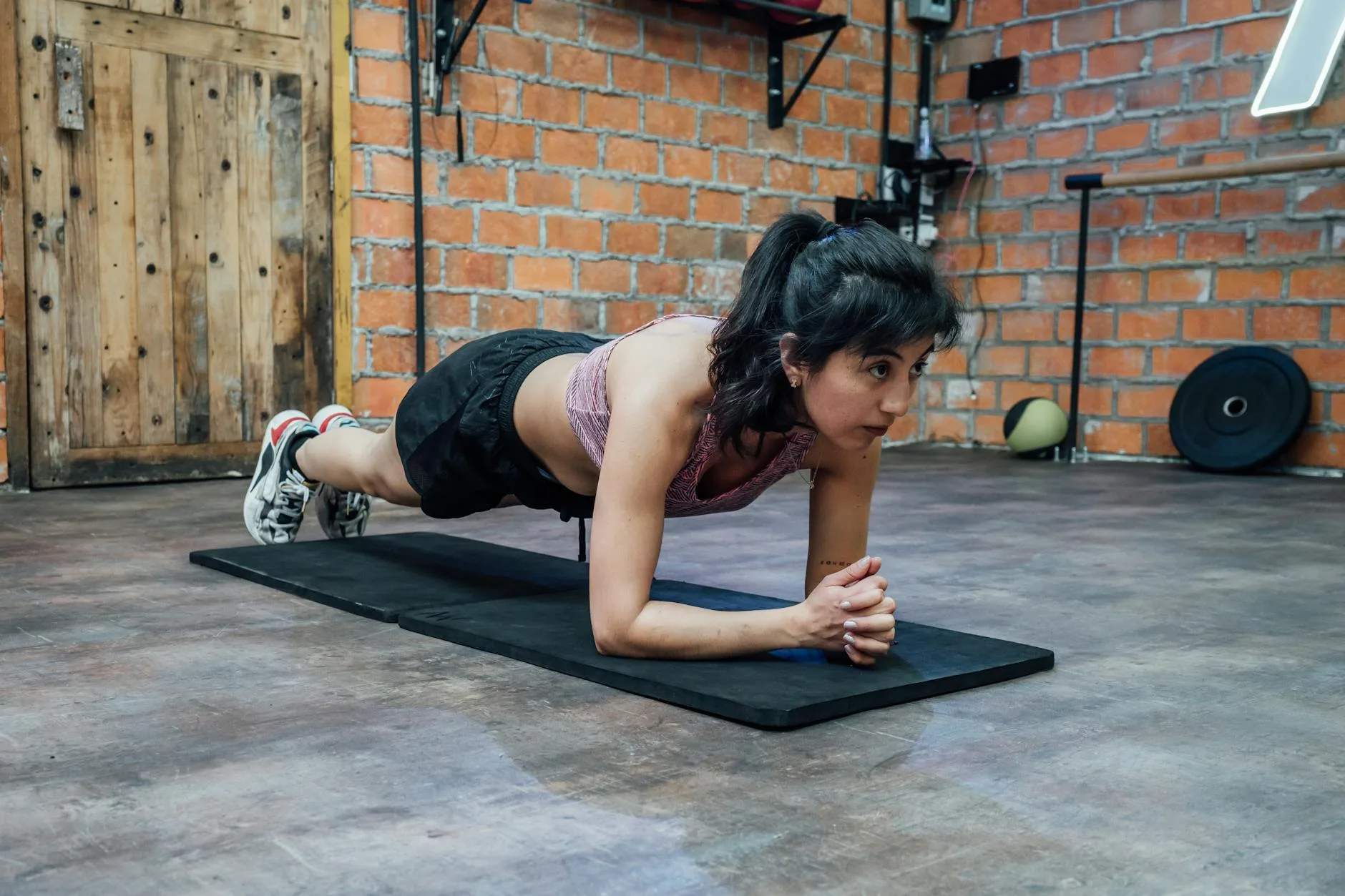
Plank Variations
Standard planks build endurance, but for padel, add movement:
- Plank shoulder taps — in a high plank, tap each shoulder alternately. 3 × 10 each side
- Plank hip drops — from a forearm plank, rotate your hips to each side. 3 × 10 each side
Upper Body and Shoulder Exercises
The overhead game is what separates good padel players from average ones. Your shoulders need to handle repeated bandeja, vibora, and smash shots without breaking down.
External Rotations (Rotator Cuff)
Using a light resistance band or 2-3kg dumbbell, stand with your elbow tucked to your side at 90 degrees. Rotate your forearm outward, keeping the elbow pinned. This strengthens the small rotator cuff muscles that stabilise the shoulder during overhead shots.
- Sets/reps: 3 × 15 each side
- Critical: Light weight, controlled movement. This is prehab, not a power exercise
Face Pulls
Using a cable machine or resistance band at face height, pull toward your face with elbows high, squeezing your shoulder blades together. This counters the forward-shoulder posture that padel (and desk work) creates.
- Sets/reps: 3 × 15
- Why it matters: Improves volley stability and reduces shoulder impingement risk
Press-Ups (Push-Ups)
Simple but effective. Standard press-ups build chest and shoulder endurance for sustained overhead play. Keep your core tight throughout — sloppy press-ups with a sagging back reinforce bad movement patterns.
- Sets/reps: 3 × 12-15
- Progression: Feet elevated on a step for added difficulty
Forearm Strengthening
Grip strength and forearm endurance affect your racket control, especially late in matches. Squeeze a tennis ball or use a hand gripper for 3 × 30 seconds each hand. If you’ve struggled with blisters from gripping too tightly, building forearm strength lets you hold the racket with less tension.
Agility and Reaction Drills
Raw strength is only useful if you can apply it quickly. These drills train the speed and reactions specific to padel.
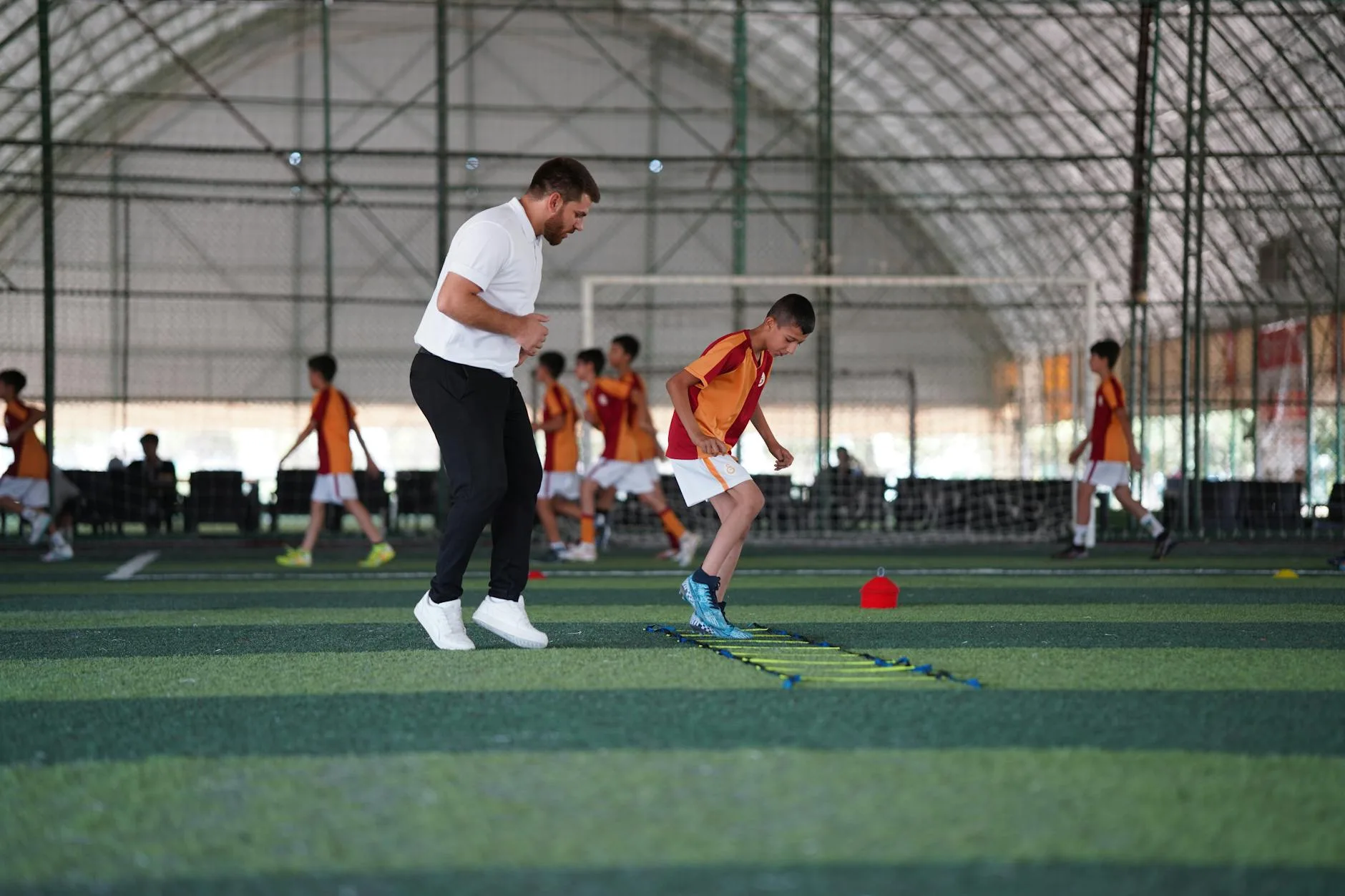
Ladder Drills
If you have an agility ladder (about £10-15 from Argos or Decathlon), run through these patterns:
- Two feet in each square — fast feet, stay on the balls of your feet
- Lateral shuffle — move sideways through the ladder
- In-in-out-out — Icky shuffle pattern
Spend 5-10 minutes on ladder work before court sessions. The footwork transfers directly to court movement. After adding ladder drills to my pre-match routine for a month, the difference in my first-step speed was noticeable — I was reaching balls that used to fly past me.
T-Drill
Set up four cones in a T shape. Sprint forward to the centre cone, shuffle left, shuffle right (passing the centre), shuffle back to centre, then backpedal to the start. Time yourself and try to improve. This covers all the movement directions padel requires in one drill.
- Target time: Under 10 seconds for recreational players, under 8 for competitive
Reaction Ball
A reaction ball (about £5 from Amazon UK) is a six-sided rubber ball that bounces unpredictably. Throw it against a wall and catch it. This trains hand-eye coordination and quick reactions in a way that directly benefits your net play. Three minutes of this before a match noticeably sharpens your reflexes for that first game.
Endurance Training for Longer Matches
Interval Running
Padel’s work-rest pattern is best replicated with interval training rather than long steady runs. On a track, running path, or treadmill:
- 30 seconds hard effort / 30 seconds walk × 10 rounds
- Progress to: 40 seconds on / 20 seconds off × 12 rounds
This mirrors the point-rest-point pattern of competitive padel and builds the specific cardiovascular fitness you need.
Skipping (Jump Rope)
Skipping is the single best conditioning exercise for racquet sport players. It builds calf endurance, improves footwork rhythm, and develops the elastic bounce you need for the split step. Start with 3 × 2 minutes and build to 3 × 4 minutes with 1-minute rest between sets.
A decent speed rope costs about £8-15 from Argos or Decathlon. Avoid the heavy weighted ropes — you want speed and rhythm, not resistance.
Cycling and Swimming
Low-impact options for days when your joints need a rest from court work. Both build aerobic capacity without the pounding of running. A 30-40 minute bike ride or swim at moderate intensity twice a week provides a solid cardiovascular base.
Injury Prevention and Recovery
Common Padel Injuries
- Tennis elbow (lateral epicondylitis) — despite the name, very common in padel. Usually from gripping too hard or poor technique on the bandeja. The NHS guidance on tennis elbow recommends rest, ice, and gradual strengthening
- Ankle sprains — from lateral movements on court. Good padel shoes with lateral support are your first line of defence
- Shoulder impingement — from repeated overhead shots. The rotator cuff exercises above are essential prevention
- Achilles tendinitis — from the repetitive loading of split steps and push-offs
Recovery Basics
- Cool down after every session — 5 minutes of light walking plus static stretches for calves, quads, hip flexors, and shoulders
- Foam rolling — spend 5-10 minutes rolling your quads, IT band, calves, and upper back after playing. A basic foam roller costs about £12-15 from Argos
- Sleep — this is where your body actually repairs and adapts. Aim for 7-9 hours, especially on training days
- Rest days — at least one complete rest day per week. More is fine. Overtraining causes more injuries in amateur sport than under-training
When to See a Physio
If pain persists beyond 2-3 days after playing, or if it gets worse rather than better with rest, see a sports physiotherapist. Early treatment of overuse injuries prevents them becoming chronic problems that keep you off court for months. The Chartered Society of Physiotherapy has a find a physio directory to locate qualified practitioners near you.
A Weekly Training Plan for Padel Players
This plan assumes you play padel 2-3 times per week and have 2-3 additional hours for fitness work. Adjust based on your schedule and fitness level.
- Monday — Padel session (60-90 min). Warm up with the routine above. Cool down and foam roll after
- Tuesday — Gym: lower body (lateral lunges, Bulgarian split squats, calf raises, box jumps) + core (Pallof press, dead bugs, plank variations). 45 minutes
- Wednesday — Rest day or light activity (30-min walk, swim, or cycle)
- Thursday — Padel session. Before playing: 5-min ladder drills and reaction ball
- Friday — Gym: upper body (external rotations, face pulls, press-ups, forearm work) + interval running (20 min). 40 minutes
- Saturday — Padel session or match play
- Sunday — Complete rest
The key principle: your gym work should support your padel, not compete with it. If your legs are so sore from squats that you can’t move on court, reduce the gym volume. The court sessions are the priority — fitness work fills in the gaps.
Frequently Asked Questions
How often should I train for padel outside of playing? Two to three fitness sessions per week is the sweet spot for most recreational players. One lower body session, one upper body session, and one cardio/agility session. More than that and you risk fatigue affecting your court performance — less than that and you’ll plateau physically.
Can I just play more padel instead of gym training? Playing more improves your technique and tactical awareness, but it doesn’t build the baseline strength and stability that prevent injuries and improve power. Adding even one gym session per week makes a noticeable difference to your movement and endurance on court. Think of gym work as an investment that makes your court time more productive.
What’s the best warm-up before a padel match? Dynamic stretching for 5 minutes (leg swings, walking lunges with rotation, lateral shuffles, arm circles), followed by 3 minutes of court-specific activation (split steps, wall touches, gentle rallying). Avoid static stretching before playing — save that for your cool down. The whole routine takes under 10 minutes.
How do I prevent tennis elbow from padel? Strengthen your forearms with grip exercises, use the correct grip size on your racket (too small forces you to squeeze harder), and work on your technique — particularly the bandeja, which causes most elbow problems when hit with a stiff wrist. If symptoms start, rest immediately rather than playing through it.
Is running good training for padel? Interval training is excellent — short bursts of 30-40 seconds hard effort with equal rest mirrors padel’s point pattern. Long steady runs are less useful because padel is an intermittent sport, not a continuous one. Skipping is even better than running for padel-specific conditioning because it builds the calf endurance and footwork rhythm you need on court.