Padel balls vs tennis balls is one of those differences you feel before you fully understand it. A padel ball looks familiar, but it usually plays a little softer, slower and lower than a fresh tennis ball. That matters because padel is built around glass, shorter reactions and controlled placement rather than baseline power.
In This Article
- Padel Balls vs Tennis Balls: The Quick Difference
- Pressure and Bounce Are the Main Differences
- Size, Felt and Feel in the Hand
- How the Difference Changes Rally Speed
- Can You Use Tennis Balls for Padel?
- What to Buy in the UK and What It Costs
- Storage, Lifespan and Common Mistakes
- Frequently Asked Questions
Padel Balls vs Tennis Balls: The Quick Difference
Padel balls and tennis balls are close relatives, not completely different bits of kit. They are both yellow, pressurised, felt-covered balls of a similar size. The difference is in how lively they are.
A padel ball is normally a touch less bouncy than a standard tennis ball. It comes off the racket with a little less speed, sits up less after the bounce and behaves better inside a smaller enclosed court. That is why using a fresh tennis ball for padel can make the game feel too quick, especially for beginners.
The LTA describes padel as a doubles game played on an enclosed court with walls in use, which is the key context. The ball does not just bounce on the floor. It can hit glass, rebound into awkward spaces and keep a rally alive in a way tennis does not.
The short version
- Padel balls: slightly lower pressure, slower feel, better suited to enclosed glass courts.
- Tennis balls: livelier bounce, faster through the air, designed for a larger open court.
- Beginner mistake: assuming any yellow ball is fine because it looks close enough.
If you are buying for a casual club session, buy padel balls. They are not expensive enough to justify making the game worse with the wrong ball.
Club balls are not always included
Do not assume the venue supplies balls. Some UK clubs include a tube with coaching sessions, but normal court bookings often expect players to bring their own. If the club sells balls at reception, expect roughly £6-£9 per tube, which is convenient but usually pricier than buying a three-tube pack online. A typical UK padel court booking might be £24-£48 per hour depending on location and peak time, so turning up without the right £6 tube is a daft way to spoil the session.
If you are joining a box league or americano evening, ask what ball the organiser uses. Mixing one player’s old tennis balls with another player’s new padel balls makes rallies inconsistent from the first game.
Pressure and Bounce Are the Main Differences
The biggest technical difference is internal pressure. A tennis ball is usually pressurised to feel livelier on a full-size court. A padel ball is pressurised in a way that gives a slightly lower, more controlled bounce.
You do not need to memorise pressure figures to make the right choice. The practical test is simple: a tennis ball tends to kick up and hurry you. A padel ball gives you a fraction more time, which suits the sport’s shorter swings, walls and compact court.
Why lower bounce helps padel
Padel rallies work because the ball stays playable after awkward rebounds. If the ball is too lively, three things happen:
- Glass rebounds become harder to judge: the ball shoots deeper and faster after hitting the back wall.
- Beginners rush shots: players start stabbing at volleys instead of shaping the point.
- Control drops: lobs, blocks and soft bandejas become harder to land.
This article is not a full pressure deep dive. We already cover that in Padel Ball Pressure: How It Affects Bounce and Play. The important point here is that pressure is the reason two balls that look nearly identical can change the whole rhythm of a match.
Temperature changes the feel too
Cold UK evenings make balls feel duller. Warm indoor courts make them livelier. A tube that felt fine at a heated indoor club may feel slower on a cold outdoor court in February. That does not mean the ball is faulty. It means felt, rubber and pressure all react to conditions.
For social players, the sensible approach is to open a fresh tube for matches that matter and use older balls for warm-ups, serving practice or coaching baskets.
Size, Felt and Feel in the Hand
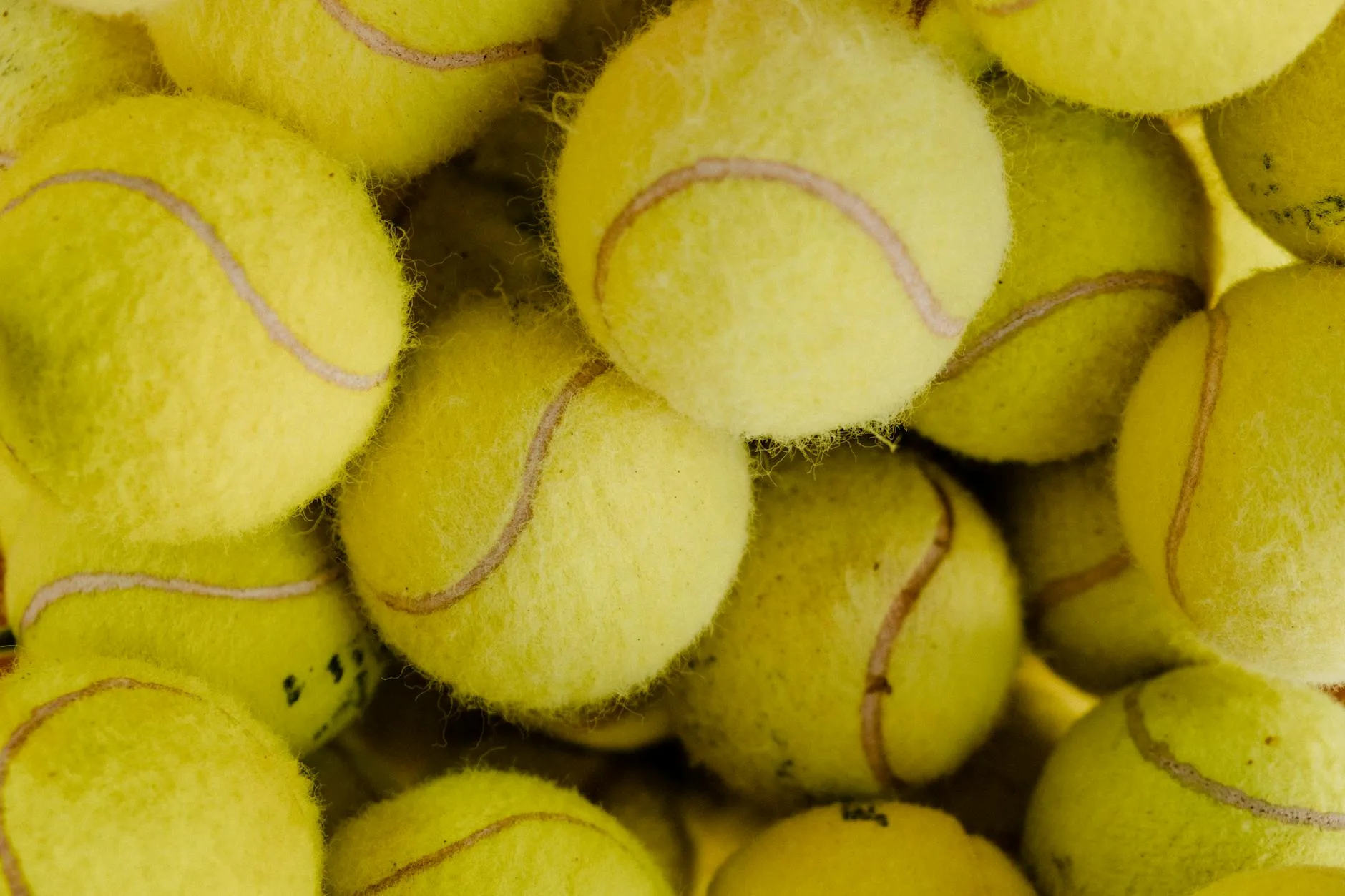
Padel balls and tennis balls are very similar in size, so you will not spot the difference from across the court. Up close, padel balls can feel slightly less lively when squeezed and bounced from hand height.
The felt can vary by brand too. Some padel balls feel fluffier and slower, while others are faster tournament-style balls. That is why a tube labelled “padel” is not automatically perfect for every court. It still has a playing character.
What you can check quickly
Before a match, do three quick checks:
- Label: check the tube says padel, not tennis.
- Bounce: drop one from shoulder height and compare it with a known good padel ball if you have one.
- Felt: avoid balls with bald patches, heavy fluffing or damp felt.
A brand-new tennis ball may look cleaner than an older padel ball, but that does not make it the better choice. The wrong bounce is still the wrong bounce.
Racket feel is different from tennis too
The ball difference is more obvious when paired with a padel racket. A padel racket has a solid, perforated face rather than strings, so the ball leaves the face differently. If you are moving across from tennis, read Padel vs Tennis: Key Differences Explained as well, because the ball is only one part of the change.
Players who already use proper padel shoes and a padel racket will notice the wrong ball quickly. Players using borrowed kit may blame the racket or court when the ball is the real problem.
How the Difference Changes Rally Speed
A padel ball encourages a different kind of rally. Tennis rewards heavy topspin, pace and depth from a larger court. Padel rewards positioning, angles, patience and using the glass at the right time.
A livelier tennis ball can make padel rallies feel scrappy. Volleys come through too quickly, lobs run long, and back-glass rebounds become more chaotic. You can still hit the ball, but the game loses some of its shape.
Beginners notice it most
Beginners often think padel should feel like mini tennis. It should not. A proper padel ball helps beginners learn the sport’s timing:
- Volleys: less pace gives you time to block rather than swing.
- Lobs: a controlled bounce makes height and depth easier to judge.
- Wall play: rebounds are still quick, but less frantic than with a tennis ball.
- Serves: the lower bounce suits the underarm serve and first-shot rhythm.
That last point matters. If your serve keeps sitting up too high or racing into the glass, the ball may be part of the issue. Technique still matters, obviously, but the wrong ball exaggerates mistakes.
Better players may choose faster padel balls
Some experienced players like faster padel balls, especially on slower courts or in colder conditions. That is different from using tennis balls. A faster padel ball is still built for padel. It just sits at the livelier end of the padel range.
If you are still learning, start with standard club padel balls. Once rallies feel controlled, then experiment with faster options.
Can You Use Tennis Balls for Padel?
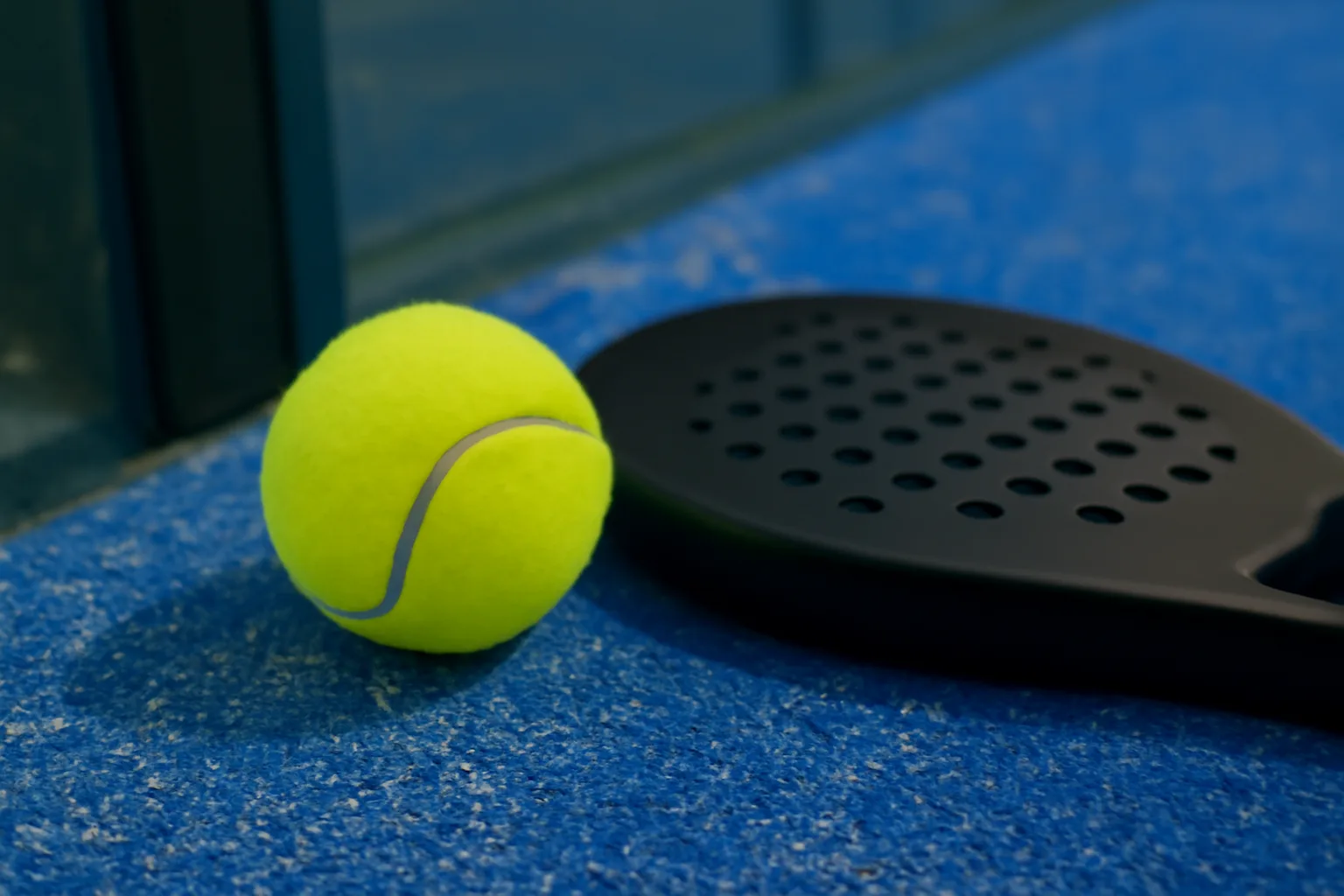
You can use tennis balls for a knockabout if there is no other option, but I would not choose them for a proper padel session. They make the game faster, bouncier and less representative of how padel is meant to play.
There are two exceptions. First, very young children might use softer red, orange or green tennis balls in coaching games because the aim is confidence, not regulation play. Second, if you are doing a warm-up drill with no scoring, any safe ball can be better than no ball.
For adult social padel, use padel balls. A tube costs roughly the same as tennis balls, so there is no real saving.
What happens if you use tennis balls anyway
Expect these changes:
- Faster rebounds: the back glass gives you less time.
- Higher bounce: defensive balls sit up more than they should.
- Less realistic practice: timing learned with tennis balls may not carry across.
- More frustration: new players think they are worse than they are.
This is similar to shoes. You can step onto court in tennis shoes, but padel-specific footwear often makes movement safer and more predictable. We cover that separate decision in Padel Shoes vs Tennis Shoes.
What to Buy in the UK and What It Costs
A tube of three padel balls usually costs about £5-£8 in the UK. Multi-packs bring the price down if you play weekly. Tennis balls are often in the same range: Slazenger Wimbledon tennis balls are commonly about £6-£8 for four, while club tennis balls from Head, Wilson or Dunlop often sit around £5-£7.
For padel, these are typical UK options:
- HEAD Padel Pro: about £6-£8 per tube from Decathlon, Amazon UK, Tennis-Point or specialist padel shops.
- HEAD Padel Pro S: usually £6-£8, a faster feel for players who want a livelier ball. HEAD’s own padel balls range shows the different padel-specific options.
- Babolat Padel Tour: around £6-£8 per tube, common at padel clubs and online retailers.
- Bullpadel Premium Pro: often around £6-£7, popular with regular players.
- Kuikma padel balls: around £5-£6 at Decathlon, usually good value for practice and social play.
If you want a proper product shortlist, use our Best Padel Balls 2026 UK guide. The short answer here: buy a normal padel tube from a known brand, not a tennis tube from the bottom of your bag.
Accessories worth considering
A pressure saver tube can extend ball life if you play often. Expect to pay around £15-£35 for a basic pressure saver and £40-£70 for more serious pressurised storage systems. I would only bother if you play at least once a week or buy balls in bulk.
For most beginners, a spare tube and a decent overgrip are better first buys. The padel accessories checklist and budget padel accessories under £20 cover the small items that make more difference than people expect.
Storage, Lifespan and Common Mistakes
Padel balls lose pressure once opened. Some lose their best feel after one hard match; others stay usable for two or three social sessions. That depends on court surface, temperature, hitting level and whether the balls get damp.
How to make them last longer
Keep opened balls dry, indoors and away from radiators or a freezing car boot. Damp felt is miserable. So is a ball that has spent a week rolling around with grit in the bottom of a bag.
For club players, I would use this simple system:
- Fresh tube: matches, box leagues or competitive club nights.
- One-session-old balls: social games and normal practice.
- Older balls: serve baskets, warm-ups and feeding drills.
Do not mix dead balls and fresh balls in one game. It sounds harmless, but it ruins timing because every rally feels slightly different.
Common buying mistakes
The most common mistake is buying tennis balls because they are easier to find in supermarkets or general sports shops. The second is buying one tube at a time from a club vending machine at the highest price. If you play regularly, buy a three-tube or six-tube pack online and keep one spare in your bag.
Avoid mystery-brand bargain balls unless you are only filling a practice basket. Saving £1 on a tube is not worth a session where every bounce feels off. Padel is already hard enough without making the ball unpredictable.
Frequently Asked Questions
Are padel balls the same as tennis balls? No. Padel balls look similar to tennis balls, but they are usually slightly less bouncy and better suited to the smaller enclosed padel court. The difference is mainly pressure and playing feel.
Can I play padel with tennis balls? You can for a casual knockabout, but it is not ideal. Tennis balls tend to feel faster and bouncier, which makes padel rallies less realistic and harder for beginners to control.
Do padel balls cost more than tennis balls? Not by much. A tube of three padel balls is usually about £5-£8 in the UK, which is close to the price of many tennis-ball tubes from mainstream brands.
How long do padel balls last? For competitive play, many players prefer a fresh tube each match. For social games, one tube may last two or three sessions, but the bounce will drop once the tube has been opened.
Which padel balls should beginners buy? Beginners should buy standard padel balls from a known brand such as HEAD, Babolat, Bullpadel or Kuikma. Avoid faster tournament-style balls until your control and wall timing are more settled.
Why do padel balls feel slower than tennis balls? Padel balls usually have slightly lower pressure, so they come off the racket and court with a more controlled feel. That suits padel’s glass walls, underarm serve and shorter reaction distances.