Picture this: It’s a crisp Saturday morning in Manchester, and you’ve managed to book a padel court for you and three mates. Bats in hand, the only thing standing between you and a cracking session is that nagging question—what are the padel scoring rules, and how do you keep the match flowing without endless debates? If you’ve ever found yourself frantically searching for a padel scoring rules quick guide mid-match, this reference is for you.
In This Article
- The Short Version
- Padel Scoring Explained
- Serving Rules
- Walls, Bounces and What Is Out
- Common Club-Level Disputes
- Quick Match Checklist
- Frequently Asked Questions
The Short Version
If you need a padel scoring rules quick guide, here’s the ultra-condensed version:
- Scoring uses the same points system as tennis: 15, 30, 40, game.
- Matches are usually best of three sets.
- Serve underarm, diagonally, with at least one bounce behind the service line.
- Walls are in play after the ball bounces on the ground.
- Ball is out if it hits the metal fence or goes directly over the walls.
- Disputes? Replay the point or consult the club’s organiser.
For the full breakdown and practical tips, read on.
Padel Scoring Explained
Padel borrows its scoring system from tennis, but with a few quirks that make it unique. Here’s how it works in most UK clubs:
Points and Games
- Each game is scored: 0 (love), 15, 30, 40, and game.
- At 40–40 (“deuce”), a team must win two consecutive points to take the game.
- Six games wins a set, but you must win by two clear games. At 6–6, a tiebreak is played (first to 7 points, win by two).
Example of a Typical Game
Suppose Team A is serving and wins the first point: the score is 15–0. If Team B wins the next two points, the score becomes 15–30. The game continues until one side reaches 40 and then wins the next point, unless the score reaches 40–40 (deuce). At deuce, the next point is “advantage” (ad-in or ad-out), and a team must win two points in a row from deuce to secure the game.
Sets and Matches
- Most matches are best of three sets.
- First team to win two sets wins the match.
Example Scoreline
You might see a match result like: 6–3, 3–6, 7–6. That means the match went to a deciding set tiebreak.
Tiebreaks
- Tiebreaks are played to 7 points (win by two). The first server serves one point, then teams alternate every two points.
- In a tiebreak, the serving order changes: the player who would serve next in the rotation serves the first point from the right (deuce) side, then the serve alternates every two points, switching sides after every six points.
Tiebreak Example
If the tiebreak score is 6–6, play continues until one team leads by two points (e.g., 8–6 or 9–7).
For more on how padel compares to tennis in scoring and gameplay, see Padel vs Tennis.
For official details, check the LTA padel rules or the International Padel Federation regulations.
Scoring Tips for UK Players
- In club matches, it’s common to call out the score before each serve to avoid confusion.
- Some social leagues use a “golden point” at deuce (next point wins the game) to speed up play—always clarify before starting.

Serving Rules
Serving in padel is less intimidating than in tennis, but there are still rules to keep matches fair.
The Basics
- Underarm Only: The serve must be hit underarm, below waist height.
- Bounce First: The server must bounce the ball behind the service line before striking it.
- Diagonal Direction: Serve diagonally into the opponent’s service box, just like in tennis.
- Feet Placement: At least one foot must remain behind the service line until contact.
- Two Serves: Each point allows two serve attempts. A fault on both is a double fault, and the point goes to the receiver.
- Order: The same player serves the entire game, then the serve rotates to the next team.
Serving Sequence Example
If you serve from the right side to start the game, your next serve is from the left side, and so on, alternating sides after each point. After the game, the serve passes to an opponent, who serves the next game.
Common Faults
- Stepping on or over the service line before hitting the ball.
- Hitting the ball above waist height.
- Serving directly into the fence or hitting the net and landing out.
- Not serving diagonally into the correct service box.
Serving Tips for UK Players
- Many UK clubs have slightly different local rules, especially for beginners. Always clarify before starting.
- If you’re playing outdoors, windy conditions can affect the bounce—adjust your serve accordingly.
- On damp mornings, balls may skid after the bounce; take a practice serve to check the conditions.
H3: Practical Serving Guidance
Choosing the Right Ball for Serving
Padel balls are slightly less pressurised than tennis balls. Always use balls approved for padel, as they bounce differently and are designed for the glass and mesh walls. UK retailers like Decathlon and Padel Shack stock suitable options.
Bat Selection for Serving
A lighter bat (350–370g) can help with control and reduce wrist strain, especially for beginners or those with elbow issues. Look for bats with a comfortable grip and wrist strap to prevent accidental slips during the serve.
Safety Caveats
- Always check for stray balls or debris behind the baseline before serving to avoid slips.
- If you have a history of shoulder or elbow injuries, warm up thoroughly and avoid snapping the wrist aggressively on serve.
For a deeper dive into padel serving etiquette, see Padel Court Etiquette.
Walls, Bounces and What Is Out
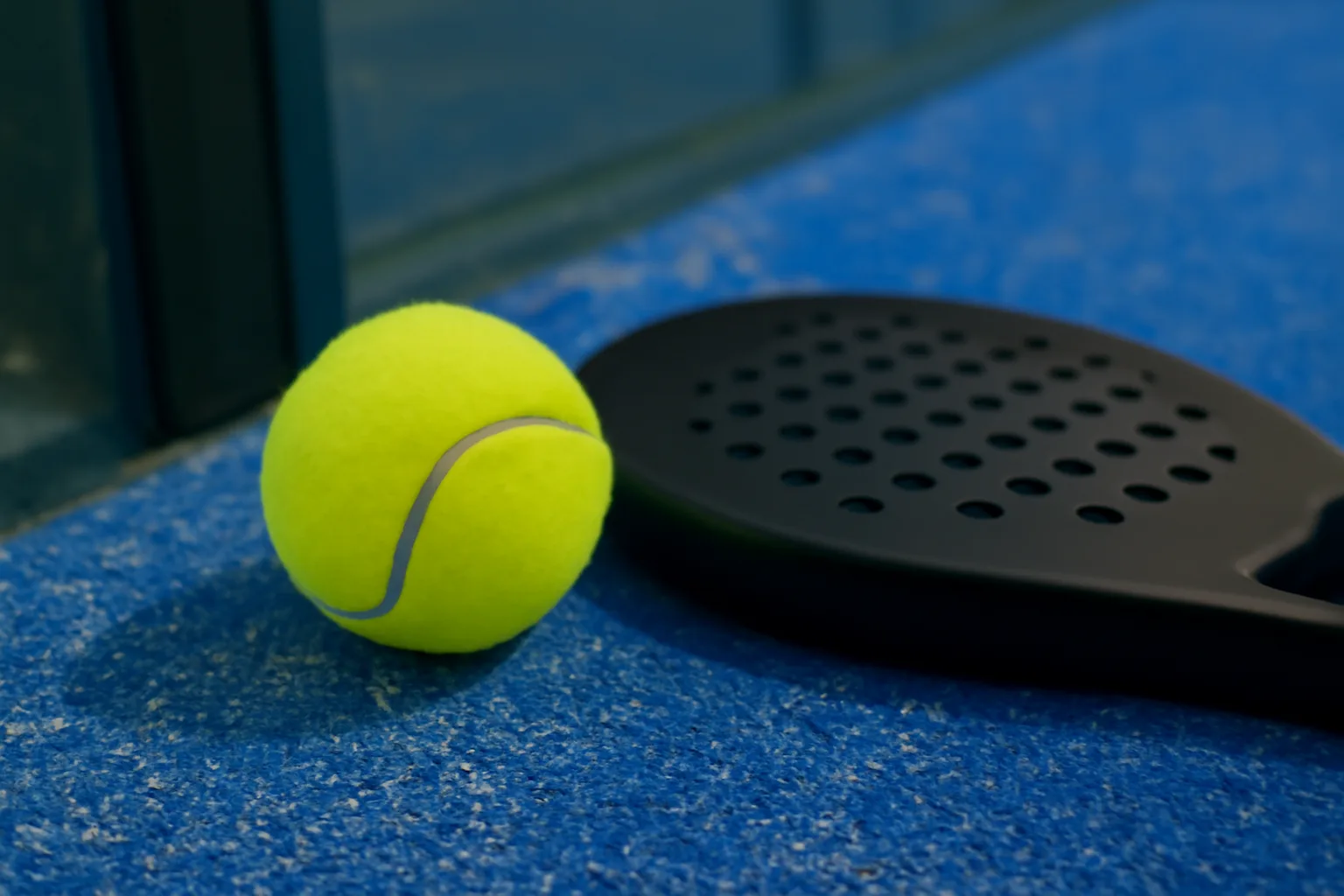
Padel’s signature feature is the use of glass and mesh walls. Understanding what’s in and what’s out is crucial for fair play.
What Counts as In
- The ball must bounce on the ground within the lines before touching any wall.
- After the bounce, the ball can hit the glass walls and stay in play.
- The ball can rebound off your own glass wall to clear the net (e.g. in defensive lobs).
- If the ball bounces on your side and then hits the glass, you can play it off the rebound.
What’s Out
- If the ball bounces and then hits the metal mesh fence, it’s out.
- If the ball is hit directly into any wall (before bouncing), it’s out.
- If the ball bounces and then leaves the court over the walls, it’s out (unless it’s a legal “smash out” in advanced play, which most UK clubs don’t use).
- If the ball bounces twice before being returned, it’s out.
H3: Common Wall Scenarios
- Ball clips the glass after bouncing: Still in play.
- Ball hits mesh after bouncing: Out.
- Ball hits glass before bouncing: Out.
- Ball bounces and then leaves the court: Out (except in advanced smash-out rules).
- Ball bounces twice: Out.
Wall Play Tips
- Use the glass walls to recover tricky shots—see How to Use the Glass Walls in Padel.
- If you’re unsure about a bounce or wall contact, replay the point for fairness.
- Practise letting the ball rebound off the glass to set up defensive lobs or resets, especially if you’re new to the game.
UK-Specific Wall Play Guidance
- Many UK courts have slightly different wall heights and mesh configurations. Check the court before playing, as some older courts have lower glass or more prominent mesh sections.
- On outdoor courts, condensation can make the glass slippery—wipe down with a towel if necessary and avoid lunging into the wall.
For a full breakdown of court markings and boundaries, see Padel Court Dimensions and Lines Explained.
Common Club-Level Disputes
Padel is friendly, but club matches can get heated over points and etiquette. Here are the most common disputes and how to resolve them:
Line Calls
- If you’re unsure whether a ball was in or out, replay the point. It’s the fairest solution.
- Use the lines as your guide—if any part of the ball touches the line, it’s in.
- In UK social play, honesty is expected. If you’re unsure, give the benefit of the doubt to your opponents.
Double Bounces
- Sometimes it’s hard to spot a double bounce, especially near the glass. If there’s doubt, replay the point.
- If a player admits to a double bounce, the point is lost.
Serving Foot Faults
- If a player repeatedly steps over the line, politely point it out and ask for a let. Most clubs expect self-policing.
- In league matches, a club official may be called to watch if the issue persists.
Disagreements Over Wall Rebounds
- If you disagree about whether the ball hit glass or mesh, replay the point.
- For persistent disputes, ask a neutral player or club organiser to watch.
Etiquette Issues
- Loud celebrations or aggressive play can cause friction. Brush up on Padel Court Etiquette to keep things friendly.
- Avoid shouting or arguing across the net; always address disputes calmly.
Dispute Resolution Steps
- Pause play and calmly discuss the issue.
- If you can’t agree, replay the point.
- For ongoing problems, consult the club organiser or referee.
H3: Preventing Disputes
- Agree on key rules before starting, especially if playing with new people.
- Keep a spare ball handy to avoid delays and arguments over lost balls.
- Use a scoring app or notepad if you struggle to remember the score—many UK clubs recommend this for league matches.
Quick Match Checklist
Heading out for a social or league padel match? Here’s a handy checklist to keep your match running smoothly:
Equipment Essentials
- Non-marking trainers: Essential for indoor and outdoor courts. Look for shoes with good lateral support (expect to pay £40–£100).
- Padel bat: Entry-level bats start around £50, while advanced carbon fibre models can reach £250. Try before you buy if possible—many UK clubs offer demo bats.
- Three padel balls: Always bring a fresh tube (£5–£8 per tube). Old balls lose bounce quickly, especially in damp UK weather.
- Water bottle: Hydration is key, even on cooler days. Bring at least 500ml.
- Towel and spare shirt: For wiping down sweat and glass walls.
Pre-Match Preparation
- Confirm booking time and court number—many UK clubs operate on tight schedules.
- Agree on the scoring format (best of three sets is standard, but some social matches use timed formats).
- Decide who will serve first (coin toss or racket spin).
- Clarify any local club rules, such as golden point or “no let” serving.
During Play
- Keep track of the score verbally after each point. Appoint one player as scorekeeper if needed.
- Rotate servers every game—set a clear order before starting.
- Use walls to your advantage—see How to Use the Glass Walls in Padel.
- Communicate with your partner—see Padel Doubles Strategy.
- Retrieve balls promptly and avoid leaving them in the court corners where they can cause trips.
After the Match
- Shake hands or bump bats—sportsmanship is highly valued in UK padel culture.
- Report the score to the club, if required, especially for league or ladder matches.
- Check for lost property or litter—leave the court as you found it.
Safety Tips
- Always warm up before playing to avoid strains. Focus on shoulders, wrists, and ankles.
- Watch out for slippery courts, especially after rain or on early mornings.
- If using new equipment, test grip and bat weight to prevent wrist injuries.
- Wear wrist supports or elbow braces if you have a history of joint problems.
- For juniors or beginners, consider protective eyewear—accidental smashes can cause eye injuries.
H3: Buying and Tool Guidance
Where to Buy Padel Gear in the UK
- Specialist Retailers: Try Padel Shack, Pro Padel, or Decathlon for a range of bats, balls, and shoes.
- Club Pro Shops: Many UK padel clubs have small shops or demo bats for hire—ideal for testing before buying.
- Online Marketplaces: Amazon and Tennisnuts offer a wide selection, but check for UK-specific warranties and returns.
Bat Selection Tips
- Beginners should opt for round or teardrop-shaped bats for better control.
- Advanced players may prefer diamond-shaped bats for more power.
- Always check the grip size—UK players with larger hands may need to add an overgrip for comfort.
Ball Selection Tips
- Only use balls marked as “padel” balls. Tennis balls bounce differently and are not allowed in official matches.
- Store balls in a cool, dry place and replace them regularly, especially after wet games.
Clothing and Footwear
- Wear moisture-wicking clothing, especially for indoor venues.
- Choose shoes with good grip and ankle support—avoid running shoes, which can cause slips on artificial turf.
Frequently Asked Questions
What happens if the ball hits the glass wall before bouncing? The point is lost; the ball must bounce on the ground before touching the wall.
Can you volley the ball before it bounces? Yes, volleys are allowed, but not when returning a serve—the return must bounce first.
How do you decide who serves first in padel? Use a coin toss or spin a bat; the winner chooses to serve or receive.
Is the scoring system always the same as tennis? Yes, almost all UK clubs use the tennis scoring system for padel matches.
Are there singles matches in padel? Yes, but they are rare in UK clubs. Most matches are doubles due to court size and social play.