You’ve just bought a fresh overgrip, peeled off the backing, and now you’re standing there with a sticky strip of tape and no clear idea which end goes where. The grip starts twisting, the overlap looks uneven, and by the time you reach the top of the handle, you’ve got more wrinkles than a linen shirt at the back of a suitcase. Sound familiar?
Applying a padel overgrip properly takes about 90 seconds once you know the technique. Get it wrong, though, and you’ll feel every crease and bump through your next match — which is distracting at best and blister-inducing at worst. I’ve rewrapped dozens of grips, and the difference between a sloppy wrap and a tight one is noticeable from the first point.
In This Article
- Why Overgrips Matter More Than You Think
- What You’ll Need Before You Start
- Removing the Old Overgrip
- Which End Is Which: Understanding Overgrip Anatomy
- Step-by-Step: How to Apply a Padel Overgrip
- Left-Handed vs Right-Handed Wrapping
- Common Mistakes and How to Avoid Them
- How Thick Should the Overlap Be
- When to Replace Your Overgrip
- Overgrip vs Replacement Grip: Which Do You Need
- Best Overgrips for Padel in the UK
- Tips for Sweaty Hands
- Frequently Asked Questions
Why Overgrips Matter More Than You Think
The overgrip is the only part of your racket that you physically hold during every single shot. A worn, slippery grip changes everything — your hand compensates by gripping tighter, which tenses your forearm, which affects your wrist snap on volleys, which ruins your touch at the net. It’s a cascade that starts with a £2 strip of tape.
Moisture and Control
Padel is a sport where sweaty hands are inevitable. Indoor courts get warm under those LED lights, and outdoor summer sessions in the UK — yes, we do get warm days occasionally — can leave your palms soaked within the first game. A fresh overgrip absorbs moisture and maintains tack. A worn one becomes a liability.
Injury Prevention
A slipping grip forces you to squeeze harder, which puts strain on the tendons in your forearm and elbow. Padel elbow (similar to tennis elbow) often traces back to grip problems rather than technique problems. The Chartered Society of Physiotherapy notes that lateral epicondylitis frequently links to sustained gripping force — exactly what happens when your overgrip has lost its tack.
What You’ll Need Before You Start
You don’t need much, but having everything ready makes the process smoother:
- A fresh overgrip — Wilson Pro, Yonex Super Grap, and Bullpadel are the most popular choices among UK padel players. Expect to pay about £2-4 per grip, or £8-12 for a pack of three
- Scissors — for trimming the excess at the top. Most overgrips come with enough length for a full wrap plus spare, so you’ll need to cut
- The finishing tape — this comes included with every overgrip as a small strip of adhesive tape. Don’t lose it — without this, the top end unravels within a few games
- A clean, flat surface — a table or countertop to lay things out on
That’s it. No special tools, no adhesive, no heat gun. Just the grip and a pair of scissors.
Removing the Old Overgrip
Before applying a new overgrip, remove the old one completely. This seems obvious, but I’ve seen players layer new overgrips on top of old ones — which makes the handle too fat, changes the racket’s balance feel, and creates an uneven surface underneath.
How to Remove It
- Find the finishing tape at the top of the handle and peel it off
- Unwrap the old overgrip from top to bottom — it should come off in one continuous strip
- Check the base grip (replacement grip) underneath. If it’s still in good condition — smooth, firmly adhered, no peeling — you’re fine to apply the new overgrip directly over it
- If the base grip looks worn or is peeling, consider replacing that too before adding the overgrip. A bumpy base grip creates bumps that telegraph through the overgrip
Cleaning the Handle
If there’s adhesive residue from the old finishing tape, give it a quick wipe with a damp cloth. You want the surface clean so the new overgrip sits flush against the handle.
Which End Is Which: Understanding Overgrip Anatomy
This is where most people get confused the first time. An overgrip has two distinct ends, and they’re not interchangeable.
The Tapered End (Starting End)
One end of the overgrip is cut at an angle — a diagonal taper. This is the starting end. The taper allows the first wrap to sit flat against the butt cap of the handle without bunching. If you start with the wrong end, the first wrap will be too thick on one side.
The Straight End (Finishing End)
The other end is cut straight across. This is the finishing end — the part that gets trimmed and secured with the finishing tape at the top of the handle.
The Adhesive Backing
Most overgrips have a small adhesive strip on the tapered end (covered by a plastic or paper backing). Peel this off before you start wrapping — it helps anchor the first turn in place so the grip doesn’t spin while you’re wrapping the rest.
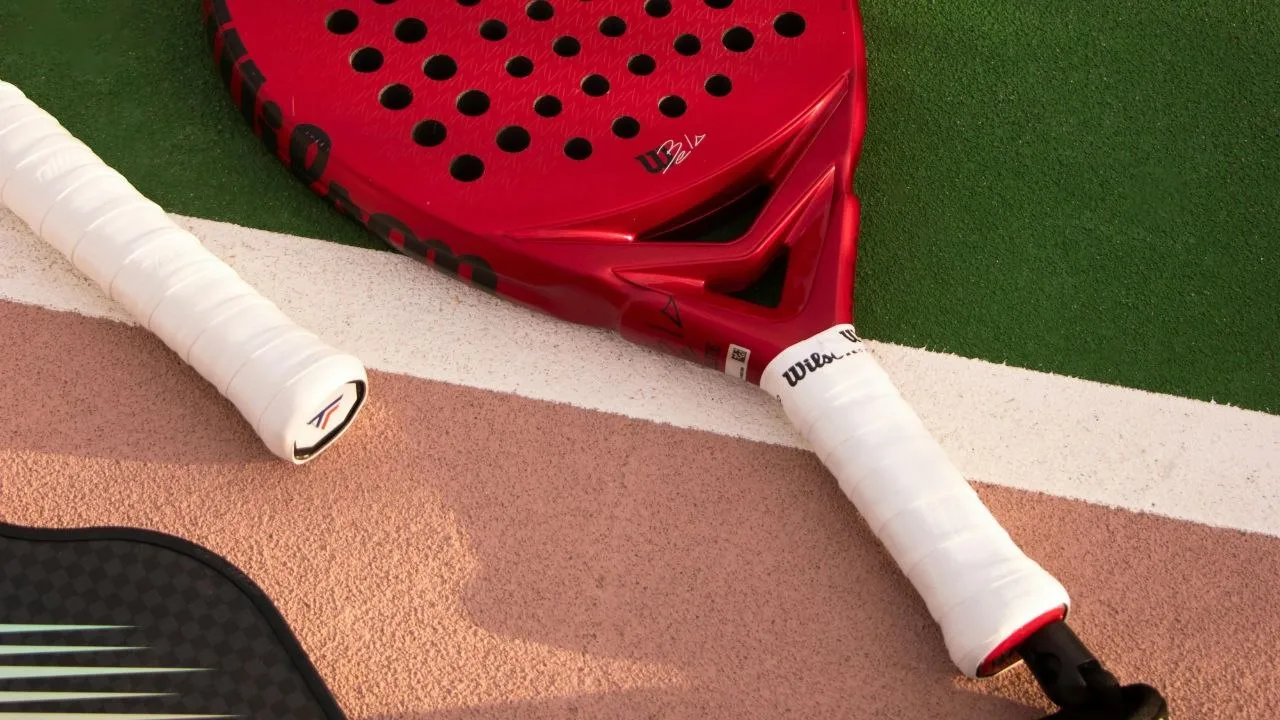
Step-by-Step: How to Apply a Padel Overgrip
This is the core technique. Once you’ve done it two or three times, it becomes muscle memory.
- Peel the adhesive backing from the tapered end of the overgrip
- Place the tapered end on the butt cap — position it at the bottom of the handle, angled so the taper follows the shape of the butt. The adhesive sticks to the butt cap and anchors the grip in place
- Hold the racket in your non-dominant hand — you’ll rotate the racket as you wrap, pulling the grip with your dominant hand
- Start wrapping upward — wrap the overgrip around the handle in a spiral, working from the bottom toward the top. Keep consistent tension — firm but not stretching the grip to its limit
- Maintain even overlap — each wrap should overlap the previous one by about 3-5mm. Too much overlap makes the grip lumpy. Too little leaves gaps where you can feel the edge of the grip underneath
- Rotate the racket, don’t twist the grip — turning the racket while keeping the grip strip at a consistent angle produces a much smoother result than trying to wind the grip around a stationary handle
- When you reach the top of the handle, you’ll have excess overgrip material. Cut it at an angle with scissors so the final wrap tapers to a clean edge rather than ending in a blunt straight line
- Secure with the finishing tape — wrap the included adhesive tape strip around the top edge of the overgrip. Pull it tight and smooth it down. This keeps the top from peeling back during play
The whole process should take about 60-90 seconds once you’re comfortable with it. If it’s taking longer, you’re probably overthinking the overlap — just keep it consistent and move smoothly.
Left-Handed vs Right-Handed Wrapping
The direction you wrap matters, and it depends on which hand you play with. The overlap should run in the same direction as your natural grip pressure when you squeeze the handle during a shot.
Right-Handed Players
Wrap the overgrip from left to right (clockwise when looking at the butt cap from below). This means the edge of each overlap locks in place when you squeeze during a forehand or volley — your hand tightens the grip rather than peeling it.
Left-Handed Players
Wrap from right to left (counter-clockwise when looking at the butt cap from below). Same principle — your dominant hand’s grip pressure should push the overlap edges closed, not open.
Does It Really Matter?
Yes, but not catastrophically. If you wrap it the wrong direction, the grip won’t unravel mid-match. But you might notice a slightly rougher feel as your fingers catch the edge of the overlap during play. Once you know the correct direction for your hand, it becomes automatic.
Common Mistakes and How to Avoid Them
After rewrapping grips for myself and club partners, these are the errors I see most often:
Wrapping Too Tightly
Pulling the overgrip with maximum tension thins it out and reduces the cushioning you’re paying for. It also makes the grip feel hard and slick rather than soft and tacky. Use moderate tension — enough to keep it smooth, but not so much that you can see the base grip showing through.
Inconsistent Overlap
If the overlap varies — wide in some places, narrow in others — you’ll feel ridges and dips under your fingers during play. This is the most noticeable quality difference between a good wrap and a sloppy one. The fix is simple: pick a consistent overlap (3-5mm works for most hands) and maintain it all the way up.
Starting Too High
If you start the first wrap too far up from the butt cap, you’ll have a bare section at the bottom of the handle that’s uncomfortable when you choke down on the grip for defensive shots or volley play. Start right at the butt cap — the taper is designed to sit flush against it.
Not Using the Finishing Tape
Some players skip the finishing tape because it seems fiddly. Within two or three games, the top of the overgrip starts peeling back, creating a loose flap that catches your hand during serves. Spend the 10 seconds. Use the tape.
Layering Grips
Adding a new overgrip on top of an old one is tempting when you’re in a rush before a match. Resist. Double-layered grips change the handle diameter, affect your feel, and create an uneven surface. Always remove the old one first.
How Thick Should the Overlap Be
The overlap thickness affects how the finished grip feels in your hand. There’s no single correct answer — it depends on your hand size and personal preference.
Thin Overlap (2-3mm)
A thinner overlap keeps the overall handle diameter closer to the original size. This suits players who:
- Have smaller hands and don’t want the handle feeling too thick
- Prefer maximum racket feel — less material between your hand and the handle means more feedback on ball impact
- Like to adjust grip positions quickly during rallies — thinner grips make it easier to shift between continental and Eastern grips
Standard Overlap (4-5mm)
This is the default for most players. It adds a small amount of diameter while keeping the grip smooth and even. If you’re not sure what you prefer, start here.
Wide Overlap (6mm+)
More overlap means more material and a thicker handle feel. Some players prefer this for:
- Larger hands that find standard grips too thin
- Extra cushioning — useful if you play frequently and want to reduce vibration through the handle
- Moisture absorption — more layers of overgrip material absorb more sweat
Experiment with different overlaps over a few grip changes to find what feels right. Your padel bag should have room for spare overgrips so you can rewrap between sessions.
When to Replace Your Overgrip
A fresh overgrip should last between 3 and 10 hours of play, depending on the grip quality, your sweat level, and court conditions. Some indicators it’s time to change:
- The surface feels slick or shiny — the tacky texture has worn away
- The grip is visibly dirty — accumulated sweat, dust, and court surface material
- You can feel the edges of the underlying grip through worn-out spots
- The grip is compressing or thinning in your main holding position
- You’re gripping harder than usual to maintain control — this is your body compensating for lost tack
How Often Do Serious Players Change?
Club players who play 2-3 times a week typically change overgrips every 1-2 weeks. Competitive players change before every match. At about £2-4 per grip, it’s one of the cheapest performance upgrades you can make.
Some of the best overgrip options come in 12 or 30 packs, which brings the per-grip cost down to about £1-1.50. If you play regularly, buying in bulk makes sense.
Overgrip vs Replacement Grip: Which Do You Need
This causes more confusion than it should. They’re different products with different purposes.
Replacement Grip (Base Grip)
The replacement grip is the thick, cushioned grip that comes installed on your racket from the factory. It’s typically 1.5-2mm thick, has internal cushioning, and is designed to be the structural grip layer. You replace it every 6-12 months, or when it starts peeling, cracking, or losing its shape.
Overgrip
The overgrip is the thin (0.4-0.6mm) layer that wraps over the replacement grip. It’s the sacrificial outer layer — the one that gets sweaty, dirty, and worn out. You replace it frequently because it’s cheap and quick to change.
Do You Need Both?
Yes. The replacement grip provides cushioning and shock absorption. The overgrip provides tack, moisture absorption, and the surface feel you want during play. Using just a replacement grip without an overgrip means you’ll wear out an expensive grip quickly. Using just an overgrip without a base grip feels thin and harsh. For the full breakdown of grip types, check our guide to padel grips explained.
Best Overgrips for Padel in the UK
A few overgrips have become standards in the UK padel community:
- Wilson Pro Overgrip — the most popular choice across racket sports. Thin (0.6mm), tacky, and consistent. About £3 for a pack of 3, widely available from Sports Direct, Decathlon, and Amazon UK. If you’ve never used an overgrip before, start here
- Yonex Super Grap — slightly tackier than Wilson Pro with a bit more stretch. Popular with players who prefer a stickier feel. Similar price to Wilson Pro
- Bullpadel Comfort — designed specifically for padel. Slightly thicker than Wilson Pro, with good moisture absorption. Available from padel-specific UK retailers like Padel Nation and All For Padel
- Babolat VS Original — dry feel rather than tacky. Preferred by players who dislike sticky grips and want something that stays consistent as their hands get warm. About £4-5 for a pack of 3
For a deeper dive into which grip suits your playing style and sweat level, see our best padel overgrips guide.
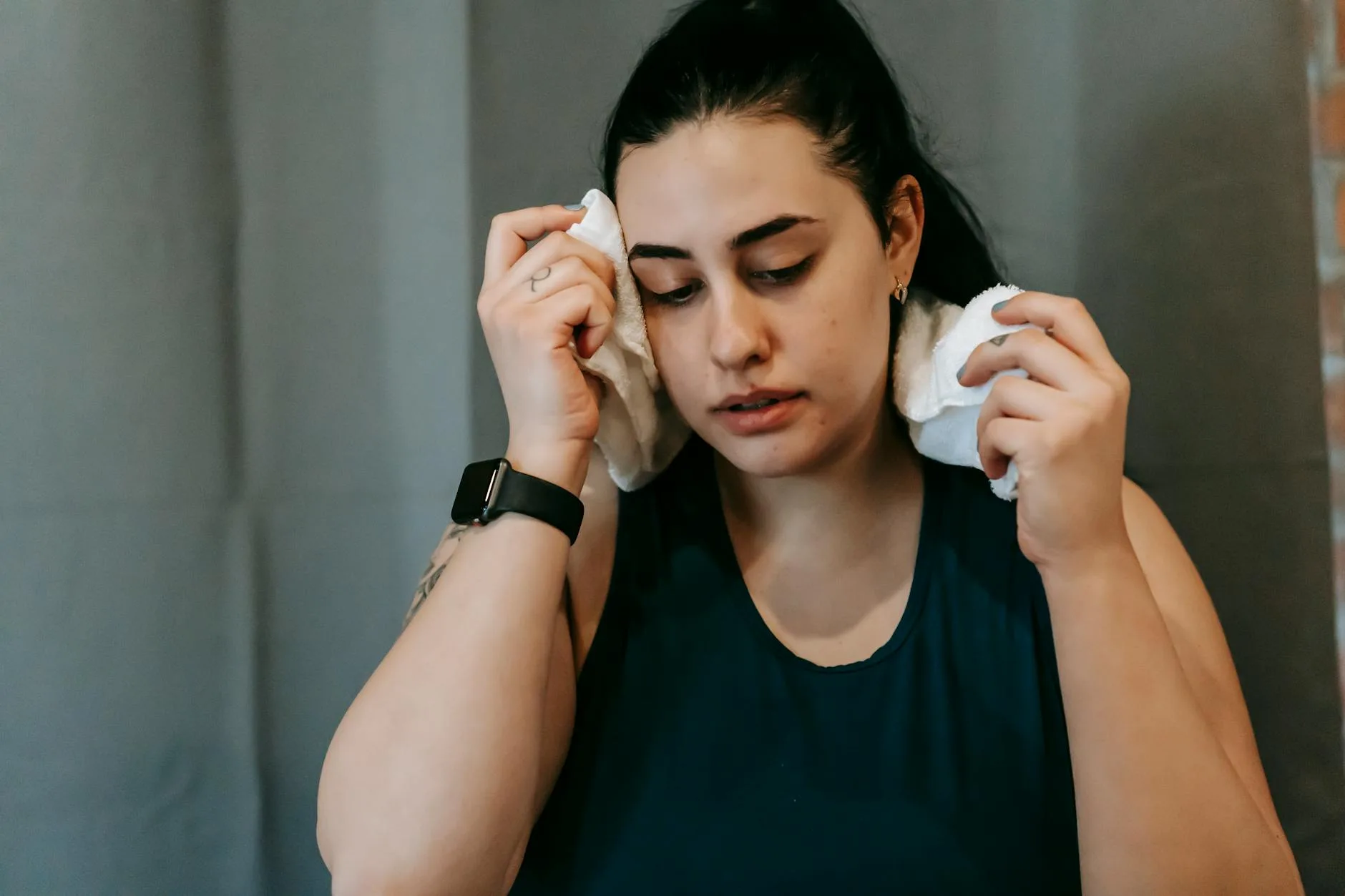
Tips for Sweaty Hands
If sweaty hands are a constant battle, the overgrip technique matters even more — but there are additional strategies:
Pre-Match Preparation
- Apply grip powder or rosin to your hands before playing — Tourna Grip Rosin Bag (about £5 from Amazon UK) or simple rock climbing chalk both work
- Wipe your hands on a damp towel between games — this removes salt residue that makes grips slippery when mixed with fresh sweat
- Use a dry-feel overgrip like Tourna Grip or Babolat VS Original — these absorb moisture better than tacky grips, though they sacrifice initial stickiness
During Play
- Carry a spare overgrip in your bag — if conditions are particularly sweaty, rewrap at the half-time break. It takes 90 seconds and transforms the second half of your match
- Use a wristband — they stop sweat from running down your forearm onto the grip
- Rotate between two rackets — some competitive players carry two rackets and alternate between changeovers, giving each grip time to dry
Overgrip Material Matters
Tacky overgrips (Wilson Pro, Yonex Super Grap) feel great when dry but can become slippery when saturated with sweat. Dry-feel overgrips (Tourna Grip) start less sticky but actually improve grip as your hands sweat — the moisture activates their absorbent surface. For heavy sweaters, dry-feel grips are usually the better choice despite feeling odd initially.
Frequently Asked Questions
How often should you change a padel overgrip? Most club players should change their overgrip every 5-10 hours of play, or roughly every 1-2 weeks if playing 2-3 times weekly. If the grip feels slick, looks shiny, or you’re gripping harder than normal to maintain control, it’s time for a fresh one. Competitive players often change before every match.
Can you use tennis overgrips on a padel racket? Yes — padel and tennis overgrips are identical products. Wilson Pro, Yonex Super Grap, and Babolat VS Original are used across both sports. Padel handles are typically shorter than tennis handles, so you might have more excess to trim at the top, but the application technique is exactly the same.
Which direction should you wrap a padel overgrip? Right-handed players should wrap clockwise (left to right when looking at the butt cap), and left-handed players should wrap counter-clockwise. This ensures your natural grip pressure pushes the overlap edges closed during play rather than peeling them open.
Should you remove the old overgrip before applying a new one? Always. Layering overgrips increases the handle diameter, creates an uneven surface, and reduces the feel and feedback from the racket. Remove the old overgrip completely, check the base grip condition, and then apply the fresh one directly over the replacement grip.
What’s the difference between a tacky and dry overgrip? Tacky overgrips (like Wilson Pro) feel sticky to the touch and provide excellent grip when your hands are dry. Dry overgrips (like Tourna Grip) feel smooth initially but absorb sweat and actually become grippier during play. Heavy sweaters typically prefer dry-feel grips, while players with drier hands prefer tacky options.