You’ve played a few sessions, you’re hooked, and you’ve been borrowing your mate’s spare racket that weighs a tonne and has the sweet spot of a teaspoon. Time to buy your own. You open a browser, type “budget padel racket UK” and immediately get hit with three brand names: Wilson, Nox, and Adidas. All three make rackets under £100, all three have confusing model names, and none of the reviews seem to agree on anything. Sound about right?
I’ve been testing padel rackets for the best part of eighteen months — including budget models from all three brands — and the honest truth is they’re all capable of producing a decent racket at this price point. But they’re not interchangeable. Each brand has a distinct philosophy, and the one that suits you depends entirely on how you play and what you want from your racket.
This guide breaks down the Wilson, Nox, and Adidas budget ranges side by side, with specific models, real UK prices, and clear recommendations for different playing styles. If you’re looking for a broader selection, our best padel racket under £100 guide covers more brands, but this comparison goes deeper on the big three.
In This Article
- The Budget Padel Racket Market in 2026
- Wilson Budget Padel Rackets
- Nox Budget Padel Rackets
- Adidas Budget Padel Rackets
- Head-to-Head: Wilson vs Nox vs Adidas
- Which Brand Suits Your Playing Style
- What to Look for in a Budget Padel Racket
- Where to Buy Budget Padel Rackets in the UK
- How to Get the Most from a Budget Racket
- When to Upgrade from a Budget Racket
- Frequently Asked Questions
The Budget Padel Racket Market in 2026
Padel is the fastest-growing racket sport in the UK right now. The LTA reports over 400,000 players and nearly 900 courts across Britain, and that number is climbing. With growth comes competition in the equipment market, which is great news for budget-conscious beginners — the quality of rackets under £100 in 2026 is noticeably better than what was available even two years ago.
What “Budget” Actually Means
In padel terms, budget means roughly £40-100. Below £40 you’re getting supermarket-quality kit that won’t last. Above £100 you’re into mid-range territory with more advanced materials and construction. The sweet spot for beginners is £50-80 — enough to get a well-made racket that performs properly without spending money you’ll regret if you decide padel isn’t for you after three months.
The Big Three at This Price Point
- Wilson — best known for tennis, but their padel range has grown rapidly. Strong presence in UK sports shops
- Nox — Spanish brand that lives and breathes padel. Less well known in the UK but huge in Spain and increasingly available from UK padel specialists
- Adidas — lifestyle brand that’s invested heavily in padel. Wide availability, strong marketing, decent product at this level
Wilson Budget Padel Rackets
Wilson entered the padel market later than Nox and Adidas but has caught up quickly. Their budget range focuses on accessible, forgiving rackets that suit new players.
Wilson Endure Lite
- Price: About £55-65 from PDH Sports or Amazon UK
- Shape: Round
- Weight: 350-365g
- Core: EVA foam (soft feel)
This is Wilson’s entry-level workhorse and the racket I’d hand to any complete beginner. The round shape gives you the biggest sweet spot, the weight is manageable for most people, and the soft EVA core is forgiving on off-centre hits. After three months of twice-weekly play, mine showed normal wear on the face but no structural issues.
Wilson Carbon Force
- Price: About £70-85 from Decathlon or specialist padel retailers
- Shape: Teardrop
- Weight: 355-370g
- Core: EVA foam (medium density)
A step up from the Endure, with a teardrop shape that shifts the balance slightly toward the head for more power. The carbon fibre frame gives it better durability than the cheaper fibreglass models. I found this racket suits players who’ve been playing for a few months and want to start hitting harder without losing too much control.
Wilson’s Strengths at Budget Level
- Widely available — you can actually walk into a shop and hold one before buying. Try doing that with Nox
- Consistent quality control — Wilson’s manufacturing standards mean fewer duds in a batch
- Good weight distribution — neither head-heavy nor handle-heavy, just balanced
- Brand warranty and UK customer service — easy to deal with if something goes wrong
Wilson’s Weaknesses
- Forgettable aesthetics — the budget Wilson rackets look functional rather than exciting
- Less padel-specific DNA — Wilson’s padel line is still relatively new compared to their century of tennis heritage. The designs work but don’t feel as purposefully padel-focused as Nox
Nox Budget Padel Rackets
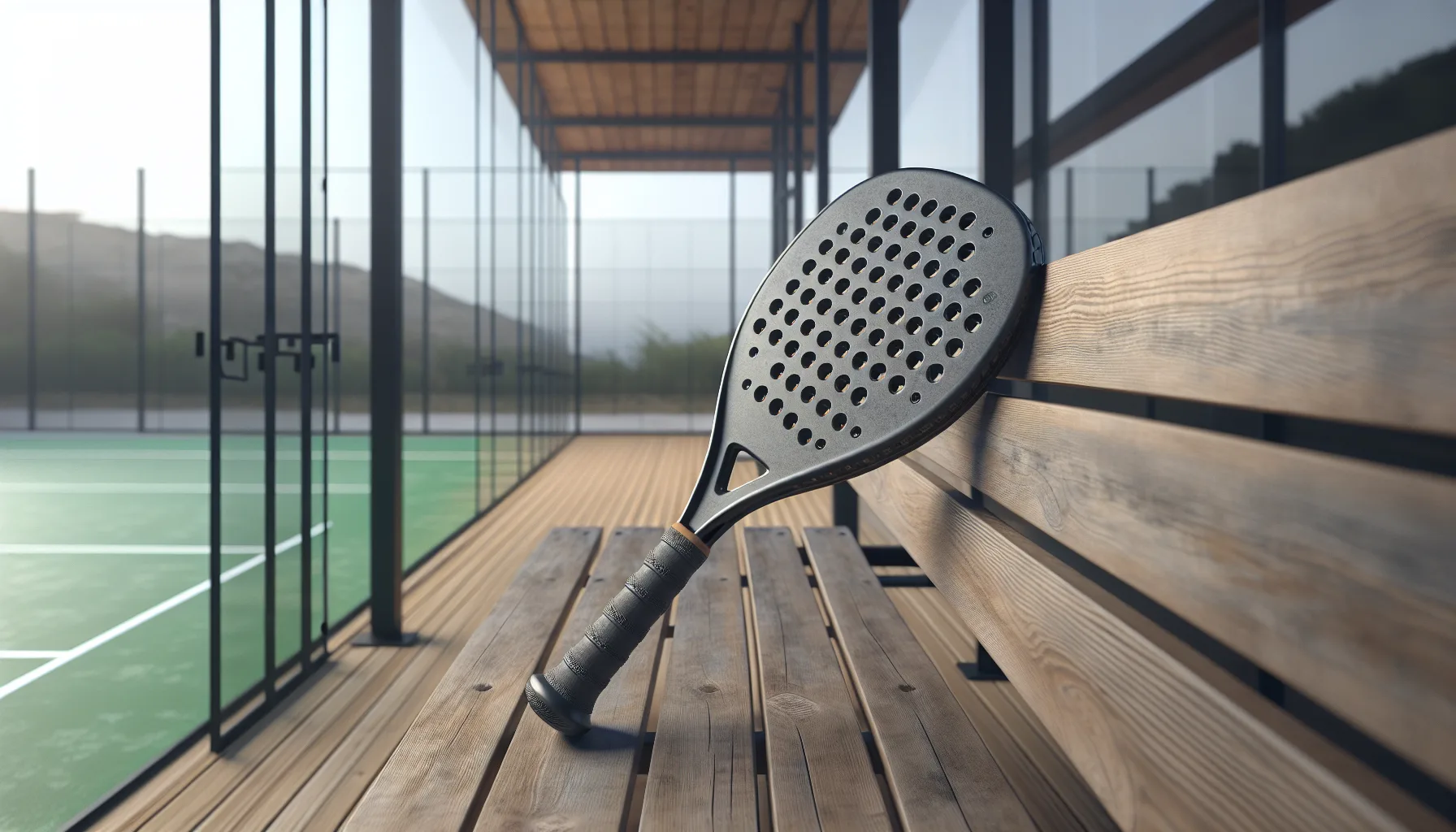
Nox is a Barcelona-based brand founded specifically for padel. While their pro-level rackets (used by World Padel Tour players like Agustín Tapia) cost £200+, their budget range is surprisingly good.
Nox ML10 Pro Cup
- Price: About £60-75 from Padel Shack, Express Padel, or PDH Sports
- Shape: Round
- Weight: 355-370g
- Core: HR3 foam (Nox’s proprietary soft foam)
The ML10 Pro Cup is arguably the most popular budget padel racket in the world, and for good reason. The round shape offers a huge sweet spot, the HR3 foam provides excellent touch and feel, and it’s been refined over multiple iterations. I’ve used the 2025 version for about six months and it’s the racket that convinced me round-shaped rackets aren’t just for beginners — the control is that good. The textured face adds spin potential that you don’t usually get at this price.
Nox Equation WPT
- Price: About £50-65 from UK padel specialists
- Shape: Round
- Weight: 350-365g
- Core: Softcore foam
Nox’s most affordable entry point. It’s aimed squarely at first-time buyers and does a solid job. The construction is simpler than the ML10 (fibreglass rather than carbon mix), so it won’t last as long under heavy use, but for someone playing once or twice a week it’s a great value option that performs well above its price.
Nox’s Strengths at Budget Level
- Padel-first design — these rackets aren’t adapted from tennis designs. Every detail is for padel
- Excellent touch and feel — Nox’s foam technology gives their budget rackets a premium feel on contact
- Textured faces — even the budget models have a rough surface for generating spin
- Spanish heritage — padel is Spain’s national obsession, and Nox has been making rackets for it since 2009
Nox’s Weaknesses
- Limited UK availability — you’re mostly buying online from specialist padel shops. High street stores don’t stock them
- Model names are confusing — ML10, AT10, Equation, WPT… the naming convention requires a spreadsheet to decode
- Less brand recognition in the UK — your mates who play tennis won’t have heard of Nox, which doesn’t matter for performance but affects resale value
Adidas Budget Padel Rackets
Adidas has leveraged its massive global brand to become a major player in padel. Their budget range is well-distributed and easy to find in the UK.
Adidas RX Series (RX 100 / RX 200)
- Price: About £45-65 from Sports Direct, Decathlon, or Amazon UK
- Shape: Round (RX 100) / Teardrop (RX 200)
- Weight: 350-365g
- Core: EVA soft performance foam
The RX range is Adidas’s beginner-friendly line. The RX 100 (round shape) is their most forgiving option, while the RX 200 adds a teardrop shape for players wanting a touch more power. Both feel solid in the hand and have decent construction for the price. My experience with the RX 200 was that it plays above its weight — good power on smashes, acceptable control on wall returns, and a comfortable grip straight out of the packaging.
Adidas Drive H
- Price: About £70-90 from Padel Shack or padelmarket.com
- Shape: Teardrop/diamond hybrid
- Weight: 355-375g
- Core: EVA soft performance foam
The Drive H sits at the top of Adidas’s budget range and pushes into mid-range territory. The diamond-influenced shape puts more weight in the head, making it a power-oriented racket that rewards aggressive play. It’s not the right choice for a true beginner — the smaller sweet spot punishes mis-hits — but if you’ve been playing for a few months and your game is naturally aggressive, it’s worth considering.
Adidas’s Strengths at Budget Level
- Widest UK availability — Sports Direct, Decathlon, JD Sports, Amazon. You can buy one this afternoon
- Competitive pricing — Adidas often undercuts Wilson and Nox at comparable spec levels
- Good-looking rackets — the three-stripe aesthetic looks smart, and the colourways are well-designed. Shouldn’t matter, but when you’re proud of your kit you play more
- Wide size and weight options — including lighter versions for players who prefer manoeuvrability over mass
Adidas’s Weaknesses
- Jack of all trades — the budget Adidas rackets do everything adequately but nothing exceptionally. They lack the specific “this is brilliant at X” quality of the Nox touch or Wilson balance
- Durability questions — I’ve seen more cosmetic damage (paint chipping, edge guard separating) on Adidas budget rackets after 6 months than on equivalent Wilson or Nox models. The rackets still play fine, they just look battered earlier
- Marketing over substance — Adidas spends more on padel sponsorships and marketing than on R&D at the budget end. The premium Metalbone range is properly innovative, but the budget line feels more commodity
Head-to-Head: Wilson vs Nox vs Adidas
Let me cut through the noise with direct comparisons across the things that actually matter.
Control
Winner: Nox. The ML10 Pro Cup offers the best touch and ball control at this price point. The HR3 foam and textured face give you more information about where the ball is going. Wilson is close behind, with Adidas a clear third. For a related angle, see our Asics vs Nike vs Adidas: Padel Shoe Brands Compared guide.
Power
Winner: Adidas. If hitting hard is your priority, the Drive H or RX 200 deliver more raw power from aggressive shots. The heavier head and stiffer construction translate arm speed into ball speed. Wilson’s Carbon Force is a good alternative if you want power with slightly more control.
Durability
Winner: Wilson. After six-plus months of regular play, Wilson rackets show the least wear. The frame construction is robust, the face holds up well, and the edge guard stays put. Nox is close behind, with Adidas trailing on cosmetic durability.
Value for Money
Winner: Nox. The ML10 Pro Cup at £60-75 plays like a £100+ racket. You’re getting padel-specific design and premium foam technology at a price that undercuts its real-world performance level. The Equation WPT at £50-65 is the best pure bargain in the comparison.
Availability
Winner: Adidas. You can walk into Sports Direct today and buy one. Wilson requires slightly more searching (Decathlon, PDH Sports), and Nox is almost exclusively online from specialist shops.
Sweet Spot Size
Winner: Tie between Wilson Endure and Nox ML10. Both round-shaped rackets offer generous sweet spots that forgive off-centre hits. The Adidas RX 100 is also good, but the foam feels slightly less responsive on edge shots.
Which Brand Suits Your Playing Style
If You’re a Complete Beginner
Go with the Nox Equation WPT (£50-65) or Wilson Endure Lite (£55-65). Both are round-shaped, lightweight, and forgiving. The Nox has slightly better touch; the Wilson is easier to buy in person. You genuinely can’t go wrong with either.
If You Play Defensively
The Nox ML10 Pro Cup (£60-75) is your racket. Round shape for a big sweet spot, textured face for spin on returns, and foam that gives you the touch needed for drop shots and wall play. Defensive padel is about placement and control, and the ML10 delivers both.
If You Play Aggressively
The Adidas Drive H (£70-90) or Wilson Carbon Force (£70-85). Both have teardrop or hybrid shapes that add power to smashes and volleys. The Adidas has a bit more punch; the Wilson is easier to control at speed. If your game is “hit it hard and figure out the rest,” the Adidas wins. If it’s “hit it hard-ish but keep it in the court,” the Wilson is smarter.
If You Want the Best All-Rounder
The Nox ML10 Pro Cup again. It’s the racket that does everything well enough that you won’t feel limited in any area of your game. There’s a reason it’s the bestselling budget padel racket globally — it just works, regardless of your level or style. Our Best Budget Padel Accessories Under £20 guide is useful alongside this.
What to Look for in a Budget Padel Racket
Shape Matters Most
The International Padel Federation (FIP) sets specifications for racket dimensions and construction, but within those rules there are three main shapes:
- Round — largest sweet spot, best control, most forgiving. Ideal for beginners and defensive players
- Teardrop — balanced between control and power. Suits intermediate players
- Diamond — most power, smallest sweet spot, least forgiving. Not recommended for beginners
Weight Range
Most budget rackets weigh 350-375g. Within that range:
- Under 360g — easier to manoeuvre, less tiring in long matches, suits players who prefer quick reactions
- 360-375g — more stability on contact, more power potential, suits players who hit through the ball
After testing rackets across this range, I’d recommend starting at the lighter end and adding weight later (with lead tape) if needed. It’s easier to add weight than remove it.
Core Material
- EVA foam — the standard. Comes in soft, medium, and hard densities. Soft is most forgiving, hard gives more power
- Polyethylene (PE) — softer and more elastic than EVA. More comfortable but less durable
- Proprietary foams (like Nox HR3) — brand-specific formulations that claim various advantages. The Nox version does noticeably improve touch
Face Material
- Fibreglass — most common at budget level. Good touch, reasonable durability, adequate power
- Carbon fibre — stiffer, more durable, better power transfer. Usually only appears at the top end of the budget range (£75+)
- Mixed — some rackets use fibreglass on one side and carbon on the other for a blend of characteristics
Grip
Your grip is more important than most beginners realise. A racket that feels great in the shop might become uncomfortable after an hour of play if the grip doesn’t suit your hand. Most budget rackets come with a basic grip that’s worth replacing with an overgrip after purchase (about £3-5 for a pack).
Where to Buy Budget Padel Rackets in the UK
High Street
- Decathlon — good range of Wilson and Adidas, reasonable prices, and you can try them in-store. Probably the best first stop for beginners
- Sports Direct / JD Sports — mainly Adidas, sometimes Wilson. Prices can be competitive during sales
- Halfords — surprisingly, some branches now stock basic padel equipment
Online Specialists
- Padel Shack (padelshack.com) — UK’s largest padel-specific retailer. Best range of Nox, good advice, fast delivery
- Express Padel (expresspadel.co.uk) — another strong UK specialist, particularly good for Nox
- PDH Sports (pdhsports.com) — racket sport specialists with a growing padel section
General Online
- Amazon UK — convenient and fast, but be careful of grey imports without UK warranty
- eBay — good for deals on previous season models, but inspect seller ratings carefully
My Recommendation
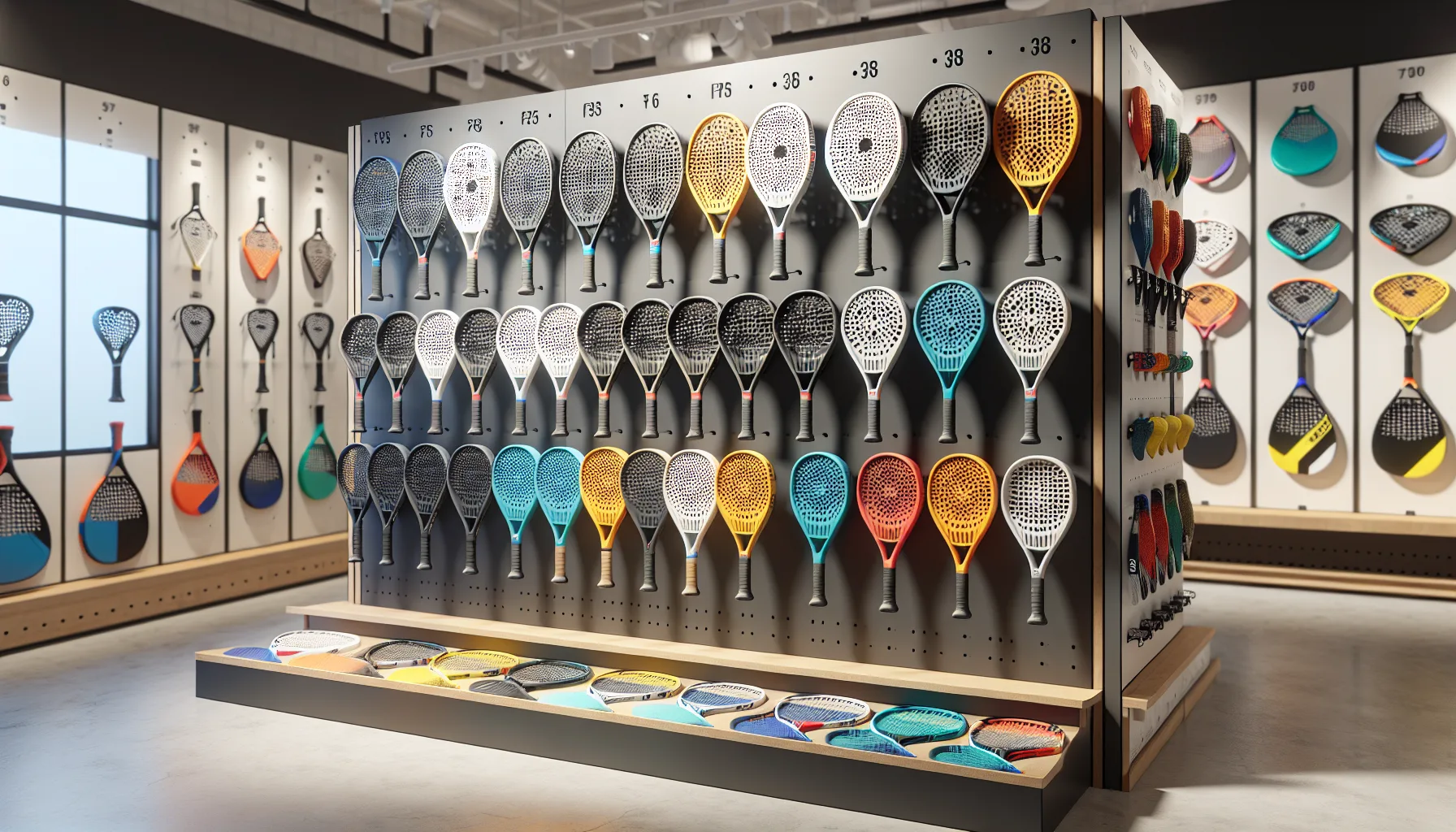
If you know what you want, order from Padel Shack or Express Padel — the staff actually play padel and can advise. If you want to hold rackets before buying, go to Decathlon. If price is everything, check Amazon UK during sales events.
How to Get the Most from a Budget Racket
Replace the Grip Early
The stock grip on most budget rackets is thin and becomes slippery after a few sessions. An overgrip (Wilson Pro, Nox Pro, or any padel-specific overgrip) costs a few pounds and transforms the feel of the racket. I replace mine every 8-10 sessions.
Use a Protector
Edge protectors (about £5-8) are cheap insurance for budget rackets. They absorb the impact when your racket scrapes the glass or floor, which happens constantly in padel. Without a protector, you’ll chip the frame within a few weeks, especially playing near the walls.
Invest in Proper Padel Shoes
This isn’t about the racket, but it matters more than the racket for your first few months. Padel courts are slippery artificial surfaces. Trainers or running shoes are dangerous — you need shoes with a herringbone sole pattern designed for grip on artificial turf. Asics, Joma, and Wilson all make budget-friendly padel shoes for £40-60 that are well worth the investment.
Don’t Overprotect It
Budget rackets are meant to be played with, not preserved. Don’t be the person who won’t hit near the wall because they’re afraid of scratching their £55 racket. Play fully. When the racket wears out in 12-18 months, you’ll know exactly what you want in its replacement because you’ll have developed a playing style by then.
When to Upgrade from a Budget Racket
Signs You’ve Outgrown Your Racket
- You consistently feel limited by the racket’s power or control
- You understand the difference between round, teardrop, and diamond shapes and know which suits your game
- You’re playing 3+ times per week and the racket is showing structural wear
- You’ve been playing for 6-12 months and your technique has stabilised
What to Look for in Your Next Racket
At the £100-180 mid-range level, you get noticeably better materials (full carbon frames, dual-density foams, advanced face textures) and more variety in shape and balance. By this point you’ll know whether you want control, power, or a blend, and you can choose accordingly. The budget racket did its job — it got you playing, helped you learn, and showed you what matters to your game.
Frequently Asked Questions
Which brand makes the best budget padel racket? Nox offers the best performance at budget level thanks to their padel-specific design heritage and superior foam technology. The ML10 Pro Cup at around £60-75 plays like a racket costing £100+. Wilson and Adidas are solid alternatives if you value availability and brand recognition, but Nox gives you the most padel-specific value per pound.
How much should I spend on my first padel racket? Between £50 and £80 is the sweet spot for beginners. Below £40 the quality drops sharply, and above £100 you’re paying for features you won’t appreciate until you’ve developed your technique. A £60 racket from any of the three brands in this comparison will serve you well for your first 6-12 months of play.
Is a round or teardrop racket better for beginners? Round every time. The larger sweet spot means more of your shots land cleanly, which builds confidence and lets you focus on footwork and positioning rather than worrying about mis-hitting. You can always move to a teardrop shape once your technique is consistent — starting with power over control is a recipe for frustration.
How long does a budget padel racket last? With regular play (2-3 times per week), expect 12-18 months before performance noticeably degrades. The foam core compresses over time, reducing power and responsiveness. Cosmetic damage starts sooner — usually within 2-3 months — but scratches and chips don’t affect play. Use an edge protector to extend the life of the frame.
Can I use a tennis racket for padel? No. According to the International Padel Federation rules, padel rackets must be solid, perforated, and without strings — a completely different design to tennis rackets. They’re designed for the specific playing conditions of a padel court — enclosed glass walls, lower bounces, and different swing mechanics. Using a tennis racket on a padel court would be like using a cricket bat in a squash match. They’re fundamentally different tools for different sports.