You’ve just finished your third padel session in running trainers and your feet are killing you. Your ankles feel wobbly from all the lateral movement, you slid across the artificial grass like Bambi on ice, and there’s a blister forming on your big toe that’s making you question every life choice. Sound familiar? There’s a reason padel-specific shoes exist, and it’s not just marketing.
Padel is brutal on footwear. If you’re still figuring out the basics, our guide on how to choose a padel racket covers the other essential gear decision. Unlike tennis, where most movement is side-to-side on a hard court, padel adds the complication of artificial turf with sand infill, constant small pivots in a confined space, and walls that you’ll inevitably run into at speed. Regular trainers — even decent ones — just aren’t built for this.
The right padel shoes give you grip without sticking, support without stiffness, and cushioning where you actually need it. The wrong ones? More blisters, rolled ankles, and that horrible feeling of your foot sliding inside the shoe every time you lunge for a low ball.
Why Regular Trainers Don’t Work for Padel
Running shoes are designed for forward motion. They’ve got cushioned heels, flexible forefoots, and outsoles built to grip tarmac or trail. None of that helps on a padel court.
Padel involves constant lateral movement — shuffling sideways, quick direction changes, split-step recoveries. Running shoes have no lateral support whatsoever, so your foot rolls over the midsole edge every time you push off sideways. I’ve seen players twist ankles in their first month because they thought their Nike Pegasus would do the job.
The other issue is the sole pattern. Running shoes have deep lugs or smooth rubber designed for road grip. On artificial grass with sand infill, deep lugs dig in and stick, which sounds good until you try to pivot — your foot stays planted while your knee keeps turning. That’s how ligament injuries happen.
Tennis shoes are closer to the mark, and plenty of padel players use them. They’ve got lateral support and flatter outsoles. But they’re optimised for hard court surfaces, not artificial turf, so the grip pattern still isn’t ideal.
The Outsole: Your Most Important Feature
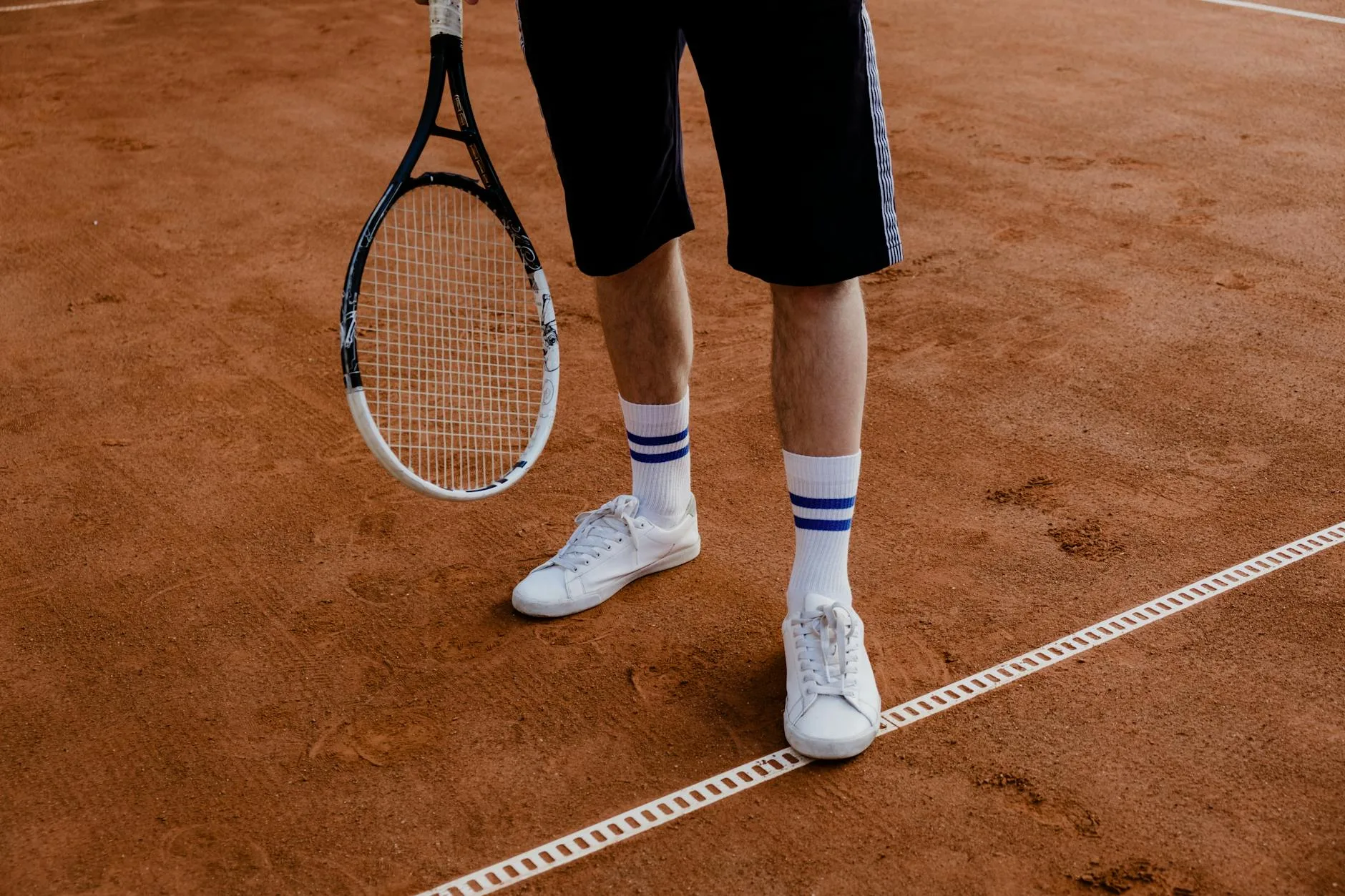
This is where padel shoes earn their keep. A proper padel outsole uses a herringbone or modified herringbone pattern designed specifically for artificial grass courts.
The herringbone pattern does something clever: it grips enough to prevent slipping during lateral pushes and sprints, but releases cleanly when you pivot or turn. Think of it like winter tyres on a car — they bite into the surface without locking up.
What to look for in the outsole:
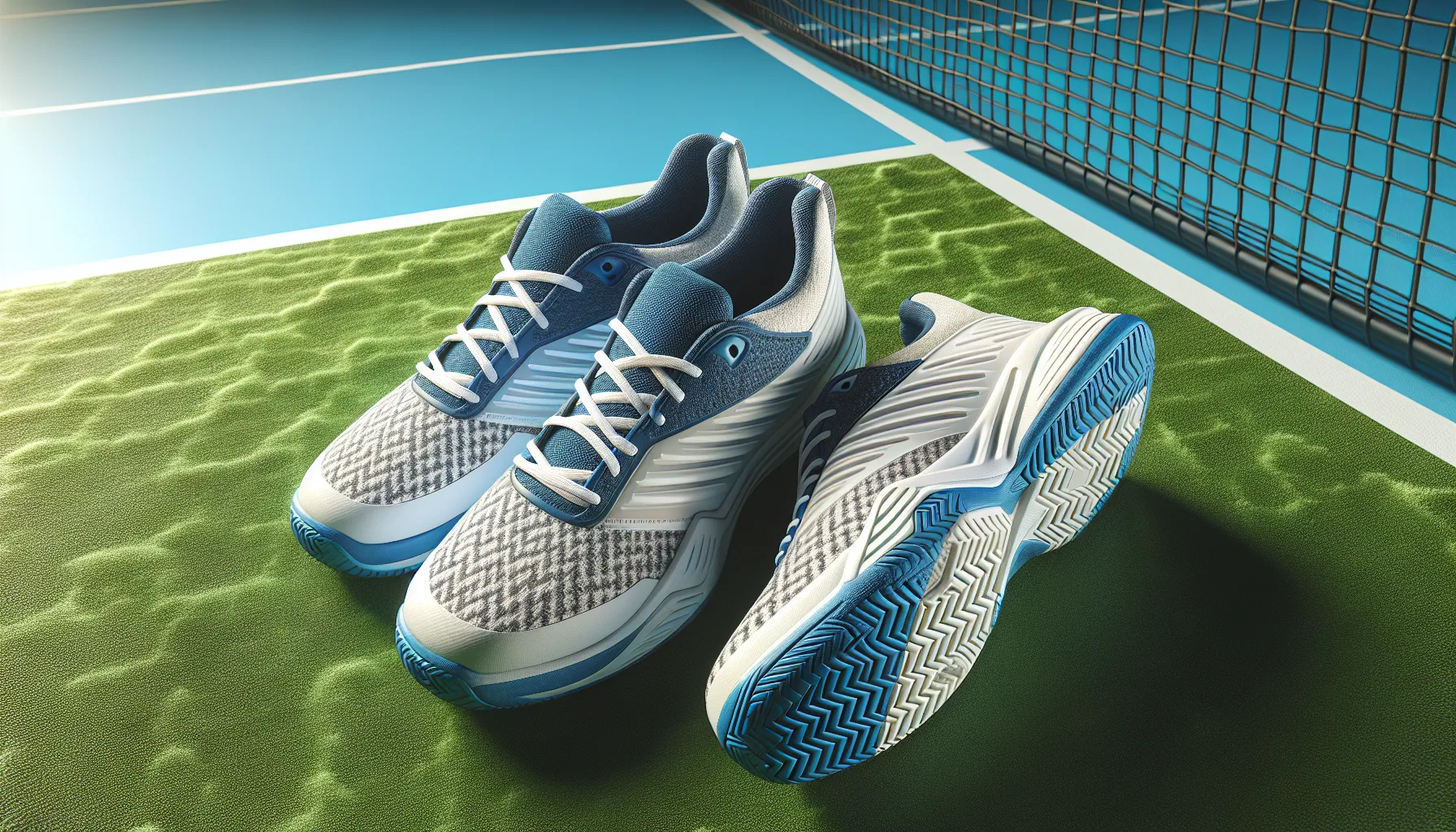
- Herringbone pattern — the classic zigzag tread. This is the gold standard for padel and you’ll find it on almost every dedicated padel shoe
- Full-coverage rubber — the outsole should extend right to the edges, not leave gaps near the toe or heel. You’ll be pushing off from the sides constantly
- Clay court compatibility — many padel shoes are dual-rated for clay tennis courts, which tells you the tread pattern works on granular surfaces
- Durability markings — some brands use reinforced rubber in high-wear areas. Asics’ AHAR+ compound is a good example — it lasts noticeably longer than standard rubber
Avoid anything marketed as “all-surface” or “multi-court” unless the outsole specifically mentions herringbone. Those generic patterns are a compromise that does nothing brilliantly.
Lateral Support: Keeping Your Ankles Intact
After the outsole, lateral support is the most critical feature. Padel is a sport of sideways movement — much more than tennis because the confined court means you’re constantly shuffling rather than running.
Good lateral support comes from three things working together:
- A reinforced upper — look for overlays or TPU (thermoplastic polyurethane) panels on the sides of the shoe, especially around the midfoot. These stop your foot sliding sideways inside the shoe during hard lateral pushes
- A wide, stable base — the outsole should be at least as wide as the upper, ideally slightly wider. This gives you a stable platform. If the upper overhangs the sole, you’ll roll your ankle
- A supportive heel counter — the rigid cup around your heel should feel firm but not painful. Squeeze it — if it collapses easily, it won’t hold your foot during quick direction changes
Some players prefer mid-cut designs that come up above the ankle for extra support. These work well if you’ve got a history of ankle problems, but they do sacrifice a bit of agility. For most recreational players, a well-structured low-cut shoe provides enough support.
Cushioning and Comfort: Where It Matters
Padel sessions typically last 90 minutes, and you’re on your feet the entire time on a relatively unforgiving surface. Cushioning matters — but not in the same places as running shoes.
In padel, you need cushioning primarily in the forefoot. You spend most of your time on the balls of your feet, ready to react. A shoe that’s heavily cushioned in the heel but thin in the forefoot (like most running shoes) misses the point entirely.
Key cushioning considerations:
- Forefoot gel or foam — brands like Asics use GEL inserts in the forefoot specifically for court sports. You’ll feel the difference during a long match
- Not too soft — this sounds counterintuitive, but overly cushioned shoes (think Hoka-style maximalist foam) reduce court feel and make you less stable. You want responsive cushioning, not pillowy softness
- Removable insoles — if you use custom orthotics or want to swap in better insoles, a removable stock insole is essential. Most padel shoes have this, but check
- Breathable upper — padel courts can get warm, especially indoor ones. Mesh panels in the upper help with ventilation. Your feet will thank you at minute 70
The toe box deserves special attention. Padel involves a lot of sudden stops and forward lunges, which ram your toes into the front of the shoe. A toe box that’s too narrow will give you black toenails; too wide and your foot slides forward on every lunge. Try shoes on with your padel socks (thicker than normal socks) and check you’ve got about a thumb’s width of space ahead of your longest toe. For a related angle, see our Best Padel Shoes 2026 UK: Grip & Comfort Tested guide.
Weight: Lighter Isn’t Always Better
Padel shoe weights typically range from about 300g to 420g per shoe. The lightest options come from brands chasing the speed market, while heavier shoes tend to offer more support and durability.
For recreational players (which is most of us), a shoe in the 340-380g range hits the sweet spot. Light enough that you don’t feel like you’re dragging bricks, heavy enough to include proper support features.
If you play competitively and prioritise speed, you might want something lighter — but be aware you’re trading support and durability. Those ultralight shoes with minimal overlays feel brilliant for the first month, then start collapsing at the sides because there’s nothing structural holding them together.
Best Padel Shoe Brands in the UK
The padel shoe market in the UK has grown massively in the last two years, but it’s still smaller than the tennis shoe market. Here’s what’s actually available and worth buying:
- Asics — the most popular brand on the World Padel Tour. The Gel-Padel Pro and Gel-Resolution lines are excellent. Expect to pay £70-120. Available from Padel Nuestro UK, Amazon UK, and specialist padel shops
- Head — strong padel heritage with the Motion Pro and Sprint Pro lines. Good lateral support, slightly narrower fit. About £65-110. Available from Direct Padel and Amazon UK
- Bullpadel — padel-specialist brand that’s hard to beat on value. The Hack Hybrid Fly is their flagship. Around £60-90. Mostly from specialist retailers like All For Padel
- Joma — great budget option with surprisingly good build quality. The T.Slam and T.Set lines work well. About £45-75. Available from Amazon UK and padel specialists
- Wilson — newer to padel but making solid shoes, especially the Rush Pro. Around £80-120. Available from mainstream retailers like Sports Direct
My pick for most players: the Asics Gel-Padel Pro 5. It hits every mark — herringbone outsole, solid lateral support, good forefoot cushioning, breathable upper, and widely available in the UK for about £85-95. It’s not the cheapest or lightest, but it’s the one that does everything well without a weak point. Our Padel Grips Explained: Overgrip vs Replacement Grip guide is useful alongside this.
If budget is tight, the Joma T.Set is hard to fault at around £50. You give up some cushioning refinement and the outsole won’t last as long, but the grip pattern and support are genuinely good for the price.
How Padel Shoes Should Fit
Fitting padel shoes is slightly different from fitting regular trainers:
- Wear your padel socks — these are thicker than normal socks, so fitting with thin socks gives you a false reading
- Thumb’s width at the toe — with your heel firmly against the back of the shoe, you should have about a thumb’s width of space ahead of your longest toe
- Snug heel, not tight — your heel should sit firmly in the cup without slipping when you walk. If it lifts, the shoe is too big or the heel counter is too soft
- No pressure points on the sides — walk around for a few minutes. Any pinching on the sides of your midfoot will only get worse during play
- Try both feet — most people have one foot slightly larger than the other. Size for the bigger foot
If you’re between sizes, go up. A slightly roomy shoe with a good lacing system is better than a tight shoe that compresses your toes. You can always tighten laces; you can’t stretch a shoe that’s fundamentally too small.
When to Replace Your Padel Shoes
Padel shoes wear faster than most people expect. If you’re playing twice a week, expect to replace them every 6-8 months. Three times a week? More like 4-5 months.
The outsole is the first thing to check. Once the herringbone pattern is visibly worn smooth in the forefoot — especially under the ball of the foot — you’ve lost your grip advantage. Playing on worn soles on artificial grass is really dangerous.
The other telltale sign is when the lateral support feels soft. If you can push the upper sideways and it moves noticeably more than when the shoe was new, the structural integrity is gone. You’re essentially playing in slippers at that point.
Don’t wait for holes to appear. By the time the upper rips or the outsole separates, you’ve been playing in a compromised shoe for weeks.
Indoor vs Outdoor Padel Courts
Most UK padel courts are either indoor or covered outdoor, both using artificial grass with sand infill. The same shoes work on both — you don’t need separate pairs.
However, if you play on truly outdoor courts that get wet, look for shoes with slightly deeper herringbone treads and water-resistant uppers. Wet artificial grass becomes slippery with standard soles. Some players carry a towel to wipe their soles. Pairing the right shoes with proper padel socks makes a noticeable difference to comfort between games in damp conditions. We cover a similar decision in Best Padel Rackets for Beginners 2026: 6 UK-Tested Picks.
Glass-backed courts (the standard) don’t affect shoe choice, but if you play on courts with mesh walls instead of glass, the surface tends to be identical. The court surface matters, not the walls.
Common Mistakes When Buying Padel Shoes
Using tennis shoes and calling it close enough. Tennis shoes on a hard court are fine. On artificial grass? The outsole pattern doesn’t grip properly. It’s like wearing road cycling shoes on a mountain bike — technically possible, just worse in every way.
Buying based on looks alone. Padel shoe brands know you want flashy colours, and some of the best-looking shoes have mediocre outsoles. Always flip the shoe over and check the tread pattern before anything else.
Skimping on price for your first pair. Your first padel shoes shape how you move on court. A cheap pair with poor lateral support teaches your body bad movement habits that are hard to unlearn. Spend £70-90 on your first pair — it’s cheaper than a physio appointment for a rolled ankle.
Not checking the outsole compound. Two shoes can have identical herringbone patterns but different rubber compounds. Softer rubber grips better but wears faster. Harder rubber lasts longer but grips less on dusty courts. Most brands don’t make this obvious, so read reviews from actual padel players.
The right shoe only lasts if the sole keeps its grip. Our guide to cleaning padel shoes covers clay, sand and indoor-court dirt without damaging the upper.
Frequently Asked Questions
Can I wear tennis shoes for padel? You can, but they’re not ideal. Tennis shoes are designed for hard courts and their outsoles don’t provide optimal grip on artificial grass with sand infill. Dedicated padel shoes use herringbone patterns specifically designed for this surface, giving you better traction and safer movement.
How much should I spend on padel shoes? For recreational players, £60-100 gets you a properly built padel shoe with good grip, lateral support, and cushioning. Below £50, you start compromising on outsole quality and durability. Above £120, you’re paying for premium materials that mainly benefit competitive players.
Do padel shoes run true to size? Most padel shoe brands (Asics, Head, Wilson) run true to size or slightly small. Bullpadel and Joma tend to run true to European sizing. Always try them on with padel socks, which are thicker than regular socks, and leave about a thumb’s width of space ahead of your longest toe.
How long do padel shoes last? Playing twice a week, expect 6-8 months before the outsole grip degrades noticeably. Three times a week brings this down to 4-5 months. The herringbone tread pattern wearing smooth is the clearest sign it’s time to replace them — don’t wait for visible holes.
Are padel shoes good for other sports? Padel shoes work reasonably well for other indoor court sports like badminton or squash, since the lateral support and non-marking soles transfer across. They’re not suitable for running, hiking, or sports played on hard outdoor surfaces — the soft herringbone outsole would wear out within weeks.