You’ve played a few times with a borrowed racket, loved it, and now you’re standing in Decathlon staring at a wall of padel rackets wondering why some cost £45 and others £300. The descriptions are full of terms like “carbon fibre frame” and “EVA soft core” and “teardrop shape” — none of which mean much when you just want something that feels right in your hand. I’ve been there, and the truth is that picking the right racket matters far more in padel than most racket sports, because the enclosed court amplifies every mistake a poorly suited racket can cause.
The good news? Once you understand three things — shape, weight, and material — you can confidently narrow down your options without needing a sports science degree. This guide breaks down exactly what to look for based on how you actually play, not how some marketing team thinks you should play.
Why Your Racket Choice Matters More Than You Think
Padel rackets don’t have strings. That single difference from tennis changes everything about how energy transfers from the ball to your arm and back again. The solid face means the core material, the frame construction, and the overall shape determine your power, control, and comfort in ways that a strung racket simply doesn’t.
Pick a racket that’s too heavy and your elbow will be screaming after an hour. Choose the wrong shape for your level and you’ll spray balls into the back glass all afternoon. Get the core material wrong and the racket will either feel like hitting with a plank or have so little feedback you can’t place the ball where you want it. This isn’t about spending the most — it’s about matching the racket to your game.
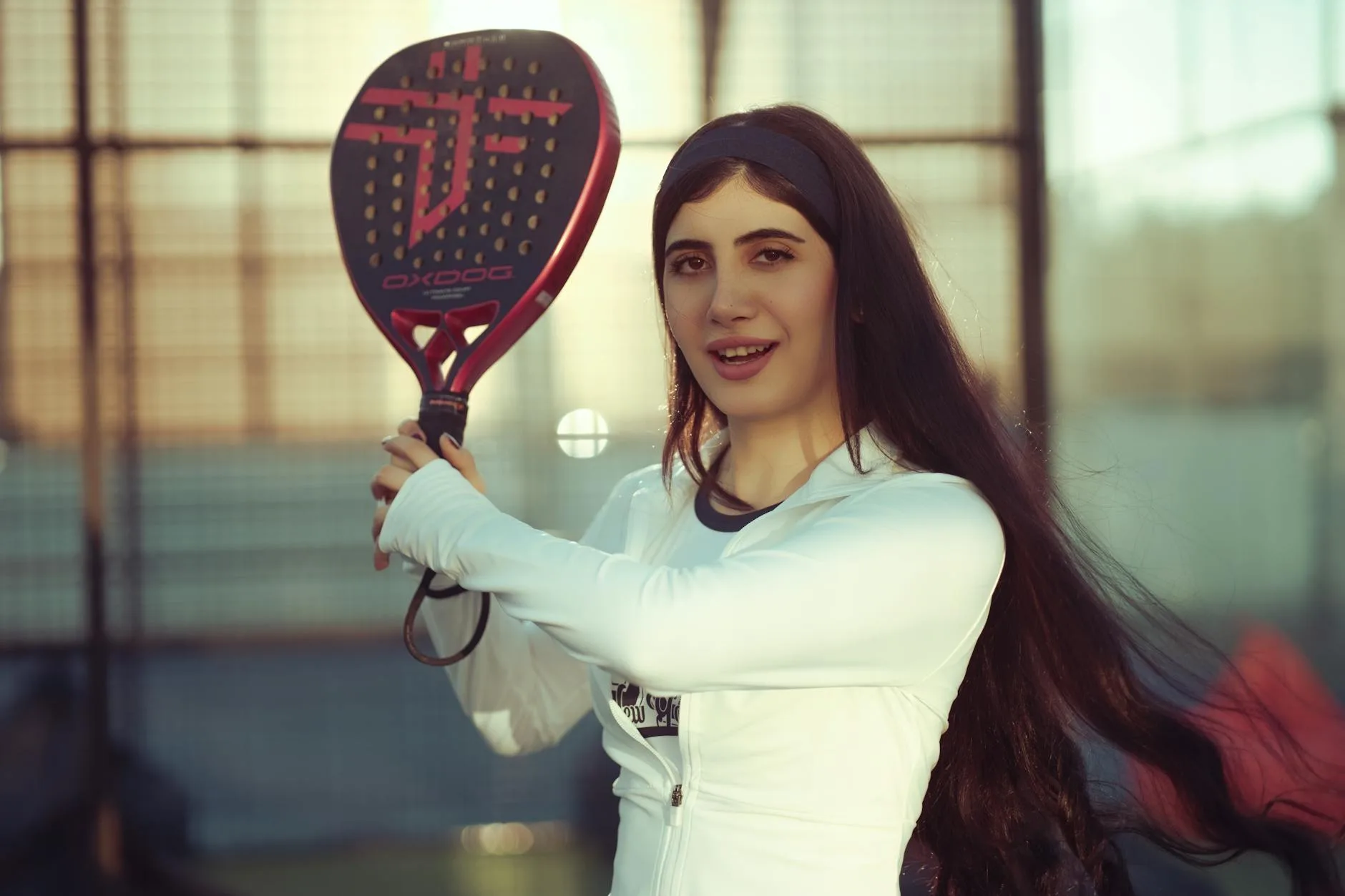
Understanding Padel Racket Shapes
Shape is the single biggest factor in how a racket plays. Every padel racket falls into one of three shapes, and each fundamentally changes the balance between power and control.
Round
Round rackets have a circular head with the sweet spot dead centre. The balance point sits low, close to the handle, which makes the racket feel lighter in your hand even at the same overall weight as other shapes. That low balance gives you faster reactions at the net — crucial for volleys and quick exchanges at the glass.
Round is the shape most coaches and experienced players recommend for beginners and intermediate players. The central sweet spot is forgiving: off-centre hits still go roughly where you intended. If you’re playing once or twice a week and still building consistency, a round racket will make the game more enjoyable, not less.
- Sweet spot: Large, centrally placed
- Balance: Low (handle-heavy)
- Best for: Control, defensive play, net volleys, beginners and improving players
- Typical price range: £40–£150
Diamond
Diamond-shaped rackets concentrate weight at the top of the head, pushing the balance point high. The sweet spot is smaller and sits higher up the face. When you connect cleanly, you get noticeably more power — the physics are simple enough — more mass further from your hand means more momentum on the ball.
The trade-off is real, though. Miss that smaller sweet spot and the ball goes anywhere. Vibrations from off-centre hits travel straight down the frame and into your wrist. Diamond rackets suit attacking players who hit hard from the back of the court and have the technique to connect consistently in the right zone.
I’d steer clear of diamonds unless you’ve been playing regularly for at least a year and your coach agrees your swing technique is solid. They’re thrilling when everything clicks, but punishing when it doesn’t.
- Sweet spot: Small, positioned high
- Balance: High (head-heavy)
- Best for: Power, aggressive baseline play, advanced players
- Typical price range: £80–£250
Teardrop
Teardrop sits between round and diamond — literally. The head is elongated compared to round but not as top-heavy as diamond. The sweet spot is medium-sized and slightly above centre. You get some extra power compared to round without completely sacrificing control. For a related angle, see our Best Padel Rackets for Control 2026 UK: Round Shape guide.
This is the shape I’d recommend for intermediate players ready to step up from a round racket. You’ll feel the difference in overhead smashes and deep lobs, where the slightly higher balance gives more punch. But the sweet spot is still forgiving enough that a slightly off-centre volley won’t punish you.
If you’re not sure between round and teardrop, start with round. You can always move to teardrop once your shot consistency improves. Going the other direction — from diamond down to round — feels like a backwards step even when it’s the right call. We’ve covered the differences between these shapes in much more detail in our guide to padel racket shapes, which is worth reading alongside this one.
- Sweet spot: Medium, slightly above centre
- Balance: Medium
- Best for: All-round play, intermediate players, those wanting more power without losing control
- Typical price range: £60–£200
Getting the Weight Right
Weight is the second major decision, and it’s one that has direct consequences for your body, not just your game. Padel rackets typically weigh between 340g and 395g — a range that sounds narrow until you hold a 340g racket in one hand and a 390g racket in the other.
Light Rackets (340–360g)
Lighter rackets are easier to manoeuvre, kinder on your joints, and let you react faster at the net. If you’re new to padel, coming back from an injury, or playing more than three times a week, starting light makes sense. The downside is less inherent power — you need to generate more with your swing technique.
Women’s rackets often sit in this range, but that’s a marketing label more than a physical rule. Plenty of men play brilliantly with a 350g racket, and some women prefer something heavier. Ignore the gendered labels and focus on what feels right during a rally, not standing in a shop.
Medium Rackets (360–375g)
The sweet spot for most club players. Heavy enough to generate decent power without needing perfect technique, light enough to play for 90 minutes without your shoulder aching. If you’re buying your first racket and have no strong preference, aim for this range.
Heavy Rackets (375–395g)
More mass equals more potential power, especially on smashes and drives. But that extra weight compounds over a match. By the third set your swing slows, your reactions drop, and your arm starts to fatigue. Heavy rackets work best for strong, fit players with good technique who play an attacking style. Our Best Padel Rackets for Power 2026: Diamond Shape guide is useful alongside this.
Here’s a test I use: hold the racket straight out in front of you at arm’s length. If you can keep it steady for 30 seconds without your forearm trembling, the weight is manageable. If you’re shaking at 15 seconds, go lighter. Your arm during a real match will be working much harder than that.
Balance vs Raw Weight
Two rackets can weigh the same but feel completely different depending on where the mass sits. A 370g round racket with low balance feels lighter in your hand than a 370g diamond with high balance, even though the scales say otherwise. When comparing rackets, pick them up and swing them — the static weight on the label only tells half the story.
Core Materials: What’s Inside the Racket
The core is the foam layer sandwiched inside the racket face, and it affects touch, power, and vibration absorption. There are two main types you’ll encounter.
EVA Foam
EVA (ethylene-vinyl acetate) is the most common core material. It comes in different densities:
- Soft EVA — more elastic, better touch and feel, absorbs vibrations well. Ideal for control-oriented players and anyone with joint issues. The ball stays on the face a fraction longer, giving you more placement ability
- Medium EVA — the standard. Decent balance of power and control. Most rackets in the £60–£150 range use medium-density EVA
- Hard EVA — stiffer, more power on clean hits, but transmits more vibration. Better for advanced players with consistent technique
FOAM (polyethylene foam)
Sometimes marketed as “Foam” or “Black Eva” by different brands, polyethylene foam is softer and springier than EVA. It gives you more inherent power because the ball compresses deeper into the face and bounces out faster. The trade-off is less precision — the extra spring makes touch shots and soft drops harder to control.
FOAM cores are popular in power-oriented rackets aimed at intermediate and advanced players. If you already have good technique and want extra pop on your shots, a FOAM core can work well. For newer players, EVA is almost always the better choice because the control benefits outweigh the power deficit.
Frame and Face Materials
The frame and face surface also play a role, though they matter less than shape, weight, and core for most recreational players.
Fibreglass
The most common face material in rackets under £100. Fibreglass is flexible, which creates a trampoline effect — the ball sinks into the face slightly and springs back. This adds power and forgiveness, making fibreglass ideal for beginners and intermediate players. It also dampens vibration well, which is easier on your arm.
Carbon Fibre
Stiffer than fibreglass, carbon fibre gives more direct feedback and control. When you hit the ball, you feel exactly where it connected on the face. That precision comes at a cost: off-centre hits are less forgiving and transmit more vibration. Carbon fibre faces are standard on rackets above £120 and are preferred by advanced players who want maximum control.
Some rackets combine both — a carbon fibre frame for rigidity with a fibreglass face for comfort. This hybrid approach is increasingly common in the £80–£150 mid-range and works well for players transitioning from beginner to intermediate.
Rough vs Smooth Face
You’ll notice some rackets have a textured or rough surface, while others are smooth. The rough surface adds grip on the ball, making it easier to generate spin on cuts and sliced shots. If you play a lot of spin — common at intermediate level and above — a rough-faced racket helps. Beginners won’t notice much difference and should prioritise shape and weight over surface texture.

Putting It All Together: Matching Racket to Player
Rather than agonising over each spec in isolation, think about your overall playing profile:
- Complete beginner (first racket): Round shape, 350–365g, soft or medium EVA core, fibreglass face. Budget about £45–£80. The Kuikma PR 530 from Decathlon (about £50) is a solid starting point — it ticks every box without breaking the bank
- Regular club player (6+ months experience): Round or teardrop, 360–375g, medium EVA core, fibreglass or hybrid face. Budget £70–£150. This is where you start matching the racket to your playing style — offensive players lean teardrop, defensive players stick with round
- Improving player pushing to compete: Teardrop or diamond (if your technique warrants it), 365–380g, harder EVA or FOAM core, carbon fibre face. Budget £120–£250. At this level, try before you buy — most specialist padel shops and clubs let you demo rackets
- Injury-prone or joint-sensitive player (any level): Round shape, under 360g, soft EVA core, fibreglass face. Prioritise vibration absorption over everything else. An overgrip can also add cushioning
If you’re not sure where you sit, check out our picks for beginner rackets or our guide for intermediate players for specific model recommendations.
Common Mistakes When Choosing a Padel Racket
After playing regularly and watching dozens of people go through the racket-buying process at our local club, these are the mistakes I see most often:
- Buying too heavy. The most common error by far. People associate heavier with better, or they’re used to tennis rackets that weigh 300g+ strung. In padel, the wrist action is more compact and you’re hitting more shots per rally. Go lighter than you think
- Copying a pro’s racket. That Bela or Lebron signature racket is designed for someone who trains five hours a day and has the wrist strength of a rock climber. The consumer version is toned down, but it’s still more racket than most club players need
- Ignoring grip size. Padel grips are generally thinner than tennis grips. Most rackets come in one grip size, and you build up with overgrips. If the handle feels too thin, add an overgrip. If it still feels wrong, look at a different brand — handle shapes vary
- Chasing brands over specs. Bullpadel, Head, Adidas, NOX, and Babolat all make excellent rackets. The brand matters less than whether the shape, weight, and material suit your game. A £60 racket that fits you will outperform a £200 one that doesn’t
- Not replacing a worn racket. Foam cores lose their bounce over time, especially with regular play. If your racket is over 18 months old and feels dead — flat shots that used to have pop — the core has likely compressed. Time for a new one
Where to Try and Buy in the UK
The UK padel scene has grown rapidly, and so have the buying options:
- Decathlon — best budget range, great for first rackets. The Kuikma line is consistently well-reviewed
- Padel Nuestro UK — specialist online retailer with the widest range. Good for mid-range and premium rackets
- Amazon UK — convenient but harder to assess quality. Stick to recognised brands
- Local padel clubs — many now stock rackets or have demo programmes. Playing with a racket before buying it is worth more than any amount of online research
The Lawn Tennis Association maintains an up-to-date list of padel venues across the UK, which is handy for finding clubs near you that might offer demo days.
Taking Care of Your Racket
A quick note on making your investment last. Padel rackets take a beating — they hit walls, scrape glass, and get dropped on hard courts. A protective racket cover (about £10–£15) is worth every penny. Store your racket at room temperature; extreme cold or heat degrades the foam core faster. And replace your grip or overgrip regularly — a slippery handle leads to bad habits and dropped rackets, neither of which is ideal.
Bottom Line
Choosing a padel racket comes down to three honest assessments: your current skill level, your physical comfort, and how you want to play. Start with shape — round for control, diamond for power, teardrop for the middle ground. Then nail the weight — lighter than you think is almost always right. Finally, let the core and face materials fine-tune the feel. If you’re spending under £100 on your first racket and it’s a round or teardrop shape between 350g and 370g, you’re making a good choice. Save the exotic specs for when your game catches up to them.
Frequently Asked Questions
What matters most when choosing a padel racket? Shape, weight, balance and comfort matter more than brand. Beginners usually progress faster with a forgiving round or teardrop racket.
How much should beginners spend on a padel racket? Most beginners should start around the mid-budget range rather than buying a very stiff premium racket. Upgrade once your style is clearer.
How often should you replace a padel overgrip? Replace it when it feels slippery, flattened or dirty. Regular players may change grips every few sessions, especially in warm indoor courts.
What should I check first with How to Choose a Padel Racket: Shape, Weight & Material? Start with the real use case, then check size, compatibility, running costs and maintenance. A product that looks good on paper can still be the wrong fit if it does not suit the room, routine or budget.
How do I avoid wasting money on How to Choose a Padel Racket: Shape, Weight & Material? Avoid buying on one headline feature alone. Compare the practical details, read the warranty or returns terms, and choose the option that solves your main problem rather than the one with the longest specification list.