Your eight-year-old watched you play padel last weekend and now wants to try. Or maybe you’re looking for a sport the whole family can play together on a Sunday morning, and padel — with its shorter court, enclosed walls, and lower barrier to entry — seems perfect. It is. Padel is one of the best racquet sports for kids to pick up, and getting them started properly makes the difference between a child who loves it and one who gives up after two frustrated sessions.
In This Article
- Why Padel Is Brilliant for Kids
- What Age Can Kids Start Playing
- Equipment for Young Players
- First Steps on Court
- Basic Skills to Teach First
- Making It Fun: Games and Drills
- Common Mistakes Parents Make
- Finding Junior Coaching in the UK
- Progression: From First Hit to Competition
- Frequently Asked Questions
Why Padel Is Brilliant for Kids
Padel has features that make it naturally kid-friendly in ways that tennis, squash, and badminton don’t:
- Smaller court — a padel court is 20m × 10m, roughly a third of a tennis court. Kids don’t need to run as far to reach the ball, which means more rallies and less frustration
- Enclosed walls — the glass and metal walls keep balls in play. In tennis, a mis-hit sails off court and the rally is dead. In padel, the ball bounces off the wall and comes back. Kids get more touches, more practice, and more fun
- Underarm serve — no overhead serving. The underarm serve in padel is easier for children to learn and removes the biggest barrier to starting rallies
- Doubles format — padel is played as doubles by default. Four people on court means kids can play with parents, siblings, or friends from the start. No lonely baseline rallies against a wall
- Lower pace — the depressurised ball and solid racket face mean rallies are slower than tennis, giving kids more time to react and position themselves
If your child has tried tennis and found it frustrating (too much running, too many balls out of reach, too many double faults), padel is worth trying. The format rewards patience and placement over power — qualities that develop naturally in young players.
What Age Can Kids Start Playing
Ages 4-6: Introduction
At this age, padel is about hand-eye coordination and having fun with a ball and racket. Don’t teach technique — let them hit, chase, and laugh. Mini-tennis balls (foam or low-pressure) and cut-down rackets make the game manageable. Sessions should be 15-20 minutes maximum before attention wanders.
Ages 7-9: Learning the Basics
This is the ideal starting age for structured padel. Kids can understand basic positioning, learn the forehand and backhand, and start playing simple rallies. Coordination is developing, attention spans are longer (30-45 minute sessions work), and they can follow instructions. Many UK padel clubs start junior programmes at this age.
Ages 10-12: Developing Skills
Children in this age group can handle proper padel rackets, learn tactical concepts (where to aim, when to approach the net), and start playing competitive matches. They understand the scoring system, can serve consistently, and begin developing their own playing style. This is where many kids decide whether padel is their sport.
Ages 13+: Competition Ready
Teenagers can play adult padel with minor adjustments. Their physical development allows for more powerful shots, and their tactical understanding is sophisticated enough for proper doubles strategy. Junior tournaments and inter-club competitions become available. Our guide to padel doubles strategy covers the fundamentals that older juniors can start applying.
Equipment for Young Players
Rackets
Kids need lighter, shorter rackets than adults. An adult padel racket weighs 350-380g — too heavy for most children under 12.
- Ages 4-7: look for rackets around 280-300g, sometimes marketed as “mini” or “junior.” These are shorter and lighter with a smaller head
- Ages 8-11: junior-sized rackets at 300-340g. Round-shaped heads (not diamond) are best for beginners — they have a larger sweet spot and more control. Our racket shapes guide explains why shape matters
- Ages 12+: many teenagers can use adult rackets, especially lighter models. A beginner adult racket in the 350-360g range works well
Don’t spend heavily on a first racket. A £20-40 junior racket is perfect for the first year. Upgrade when you know they’re committed and have outgrown the starter racket.
Balls
Standard padel balls work for kids aged 8+. For younger children (4-7), use low-pressure or foam balls — they bounce lower, travel slower, and are less intimidating. Some clubs provide these for junior sessions.
Shoes
Any clean non-marking court shoes work for casual play. If your child plays regularly, proper padel shoes (or all-court tennis shoes) provide better grip on the court surface. Padel shoe sole types matter for adults, but for kids any herringbone or omni sole is fine.
Clothing
Nothing special needed — comfortable sportswear and a water bottle. In summer, sunscreen and a cap if playing on an outdoor court without a roof.
First Steps on Court
Before the First Session
- Watch some padel — show your child a few minutes of padel video so they understand the basic concept: two vs two, walls are in play, underarm serve. YouTube has plenty of padel highlights. Our guide to watching professional padel includes where to find matches
- Manage expectations — tell them the first session is about having fun, not winning. Nobody is good at padel the first time
- Bring water and snacks — kids burn energy fast and dehydrate quickly, especially on warm days
The First 15 Minutes
Don’t start with a game. Start with these steps:
- Bounce and catch. Drop the ball and catch it after one bounce. Then two bounces. This teaches tracking and timing
- Racket balance. Balance the ball on the racket face while walking. Then jogging. This builds racket awareness
- Gentle rallies against the wall. Stand 2m from the back wall and hit the ball gently into it, letting it bounce before hitting again. This is the quickest way to get comfortable with the racket
- Partner rallies. Stand on opposite sides of the net and rally gently. Count how many you can get in a row — make it collaborative, not competitive
Basic Skills to Teach First
The Grip
Continental grip — the “handshake” grip where you hold the racket as if shaking hands with the edge. This is the foundation grip for all padel shots. Don’t let kids develop a frying-pan grip (face flat to the ground) — it limits every shot they’ll learn later.
Demonstrate it, check it before every session, and gently correct it during rallies. It’ll feel awkward at first but becomes natural within a few sessions.
The Ready Position
Feet shoulder-width apart, knees slightly bent, racket held centrally in front of the body. This is where kids should return after every shot. Most children stand too upright and hold the racket too low — remind them regularly.
The Forehand
The most natural shot for kids. Keep it simple:
- Turn sideways to the ball (shoulder pointing at the net)
- Swing from low to high with a smooth motion
- Contact the ball at waist height
- Follow through over the opposite shoulder
Don’t worry about perfect technique at this stage. Getting the ball over the net consistently is the goal. Technique refinement comes with coaching and repetition.
The Serve
Padel’s underarm serve is a gift for teaching kids. Stand behind the baseline, bounce the ball once, and hit it below waist height diagonally into the opposite service box. Most children can serve consistently within two or three sessions — compared to the months it takes to develop a tennis serve. For independent guidance, check LTA padel guidance.
Using the Walls
This is what makes padel unique and what kids find most exciting. Teach them:
- The ball can bounce off the back wall — they don’t need to hit everything before it reaches the wall
- Let it come to you — the natural instinct is to chase the ball. In padel, the wall brings it back. Patience is rewarded
- Glass wall shots — hitting the ball off the glass to return it over the net. This is the most fun skill to learn and the one kids practise endlessly once they discover it
Making It Fun: Games and Drills
Kids learn through play, not through drilling technique. These games teach padel skills without feeling like training:
King of the Court
Two players on each side. Challengers serve. If challengers win the point, they become kings (move to the other side). If kings win, they stay. First pair to win 10 points as kings wins. Teaches serving, rallying, and competitive intensity.
Target Practice
Place cones or markers in specific areas of the opposite court. Award points for hitting targets with the serve or rally shots. Teaches accuracy and court awareness.
Wall Ball
One player feeds the ball against the back wall. The other player has to return it over the net. Teaches wall reading and positioning — the skill that takes longest to develop.
Rally Counter
Two teams rally cooperatively. Count consecutive successful shots. Beat the previous record. This removes competition and builds consistency — kids work together rather than against each other.
Points on Volley
Any shot hit as a volley (before the bounce) counts double. Encourages kids to move forward and take balls early, which is fundamental to good padel.
Common Mistakes Parents Make
Teaching Too Much Technique
The biggest mistake. A seven-year-old doesn’t need to understand racket angle, weight transfer, or wrist pronation. They need to hit the ball, have fun, and come back next week. Technique follows naturally from repetition and coaching — forcing it too early creates tense, overthinking players.
Playing Full-Speed Against Kids
Smashing the ball at your child to “toughen them up” doesn’t work. It terrifies them. Feed balls gently, rally at their pace, and celebrate their good shots. Your job is to keep the rally going, not to win points.
Correcting Every Shot
“Keep your elbow up. Watch the ball. Follow through. Move your feet.” One correction per session is enough for young kids. Two for older kids. More than that and they’re thinking instead of playing.
Expecting Quick Progress
Kids develop at wildly different rates. Some rally comfortably within a month. Others take six months to serve consistently. Both are normal. The only metric that matters is whether they want to come back. If they’re asking to play padel, you’re doing it right.
Ignoring Court Etiquette
Teach padel court etiquette from the start — not as strict rules but as good habits. Don’t walk behind courts during rallies. Return balls to the serving player. Shake hands after the match. These habits are easier to build early than to correct later.
Finding Junior Coaching in the UK
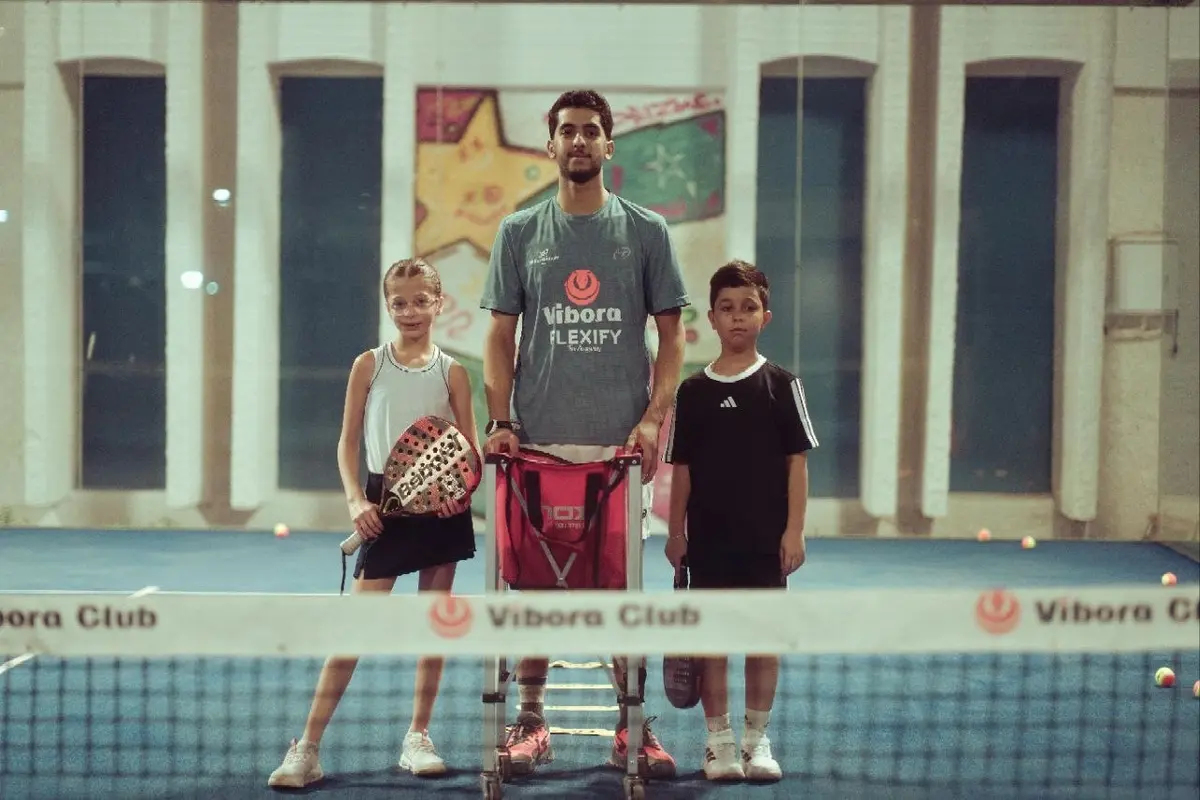
Padel is growing fast in the UK, and junior coaching programmes are expanding to meet demand. Here’s where to look:
National Bodies
The Lawn Tennis Association (LTA) now includes padel in its remit. Their website lists registered padel venues and coaching programmes across the UK. Many LTA-registered coaches offer junior padel alongside tennis.
Club Programmes
Most dedicated padel clubs (Game4Padel, We Are Padel, The Padel Club) run junior sessions — typically weekly group lessons for different age brackets. These are usually £8-15 per session and include equipment for beginners.
Holiday Camps
Several padel venues run half-term and summer holiday camps specifically for children. These are intensive multi-day programmes (typically 2-3 hours per day for 3-5 days) that accelerate learning through concentrated play time.
The growth of padel in the UK
The growth of padel across the UK has been remarkable — court numbers have grown over 100% in the last two years, and junior programmes are expanding with them. If there isn’t a local option now, there likely will be soon.
Progression: From First Hit to Competition
Months 1-3: Foundation
Focus on fun, basic racket skills, and getting comfortable on court. Play weekly if possible. Mix coaching sessions with casual family play. Your child should be able to serve, rally, and use the walls at a basic level by month three.
Months 4-6: Consolidation
Rallies become longer and more consistent. Kids start understanding where to aim rather than just getting the ball over the net. Introduce basic doubles positioning — one player at the net, one at the back.
Months 7-12: Development
Technical improvements in grip, footwork, and shot selection. Kids can play full matches with scoring. Many are ready for internal club competitions or junior social events. Their racket choice starts to matter as preferences develop.
Year 2+: Competition
Regular match play, inter-club junior leagues, and potentially county or regional junior events. The LTA runs junior padel competitions, and the calendar is expanding year on year. Kids who reach this stage have found their sport — the question becomes how far they want to take it.
Frequently Asked Questions
What age can children start playing padel? Children as young as 4-5 can start with adapted equipment (foam balls, mini rackets), but structured coaching is most effective from age 7-8 when coordination and attention spans allow for meaningful skill development. Most UK padel clubs start junior programmes at age 7.
How much does junior padel cost? Group coaching sessions typically cost £8-15 per child per session. A junior racket costs £20-40. Court hire for casual family play is usually £20-40 per hour (split between four players). Many clubs offer trial sessions free or at reduced rates for newcomers.
Do kids need special padel equipment? Children under 10 benefit from lighter rackets (280-340g) and low-pressure balls. Standard padel shoes aren’t necessary for casual play — any clean non-marking court shoes work. As they develop, proper equipment helps but isn’t essential at the beginning.
Is padel safer than tennis for kids? The smaller court reduces running distances, the underarm serve eliminates shoulder strain, and the enclosed walls mean fewer balls flying out of play. The depressurised ball travels slower, giving kids more reaction time. Overall, the injury risk is lower than tennis for young players.
Can kids play padel with adults? Yes — that’s one of padel’s best features. The doubles format means a parent and child can play together against another pair. Adults should adjust their pace and power to keep rallies going. Mixed-age padel is one of the best family activities available.